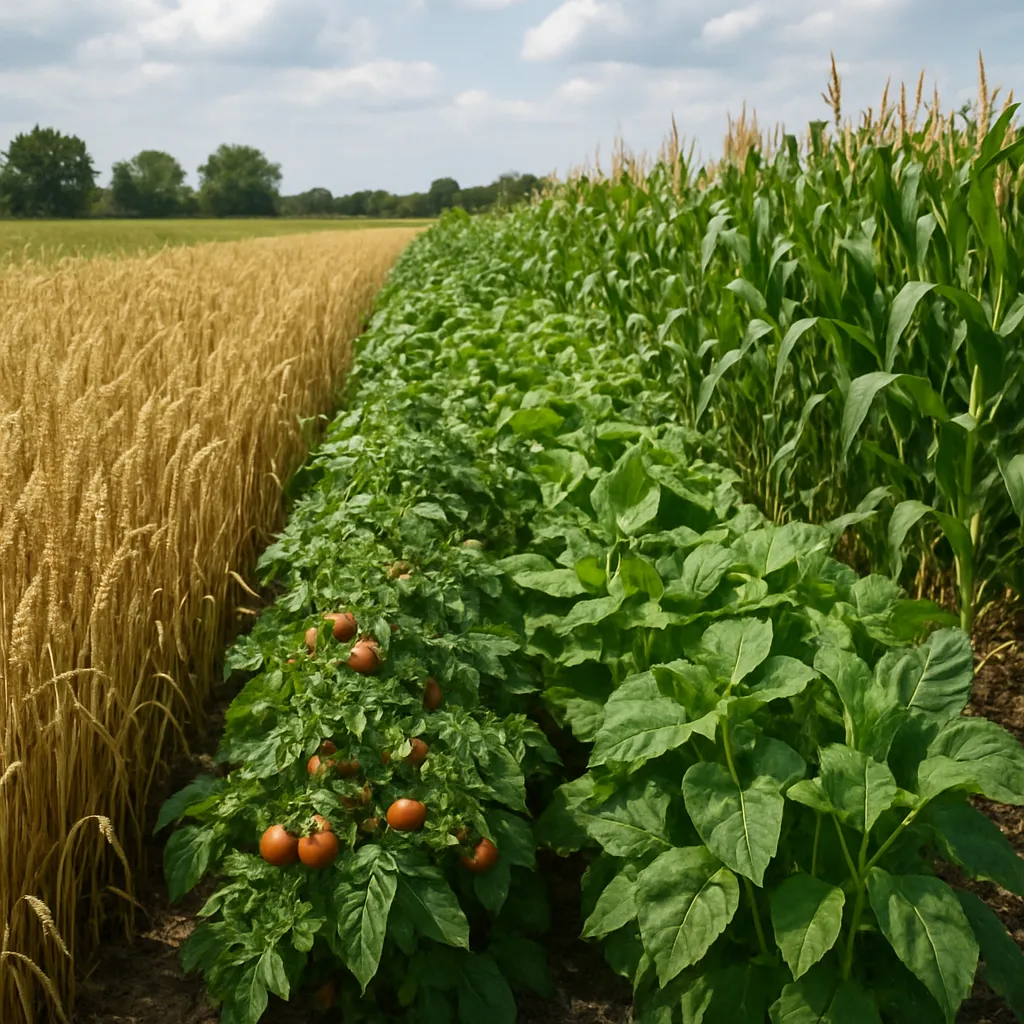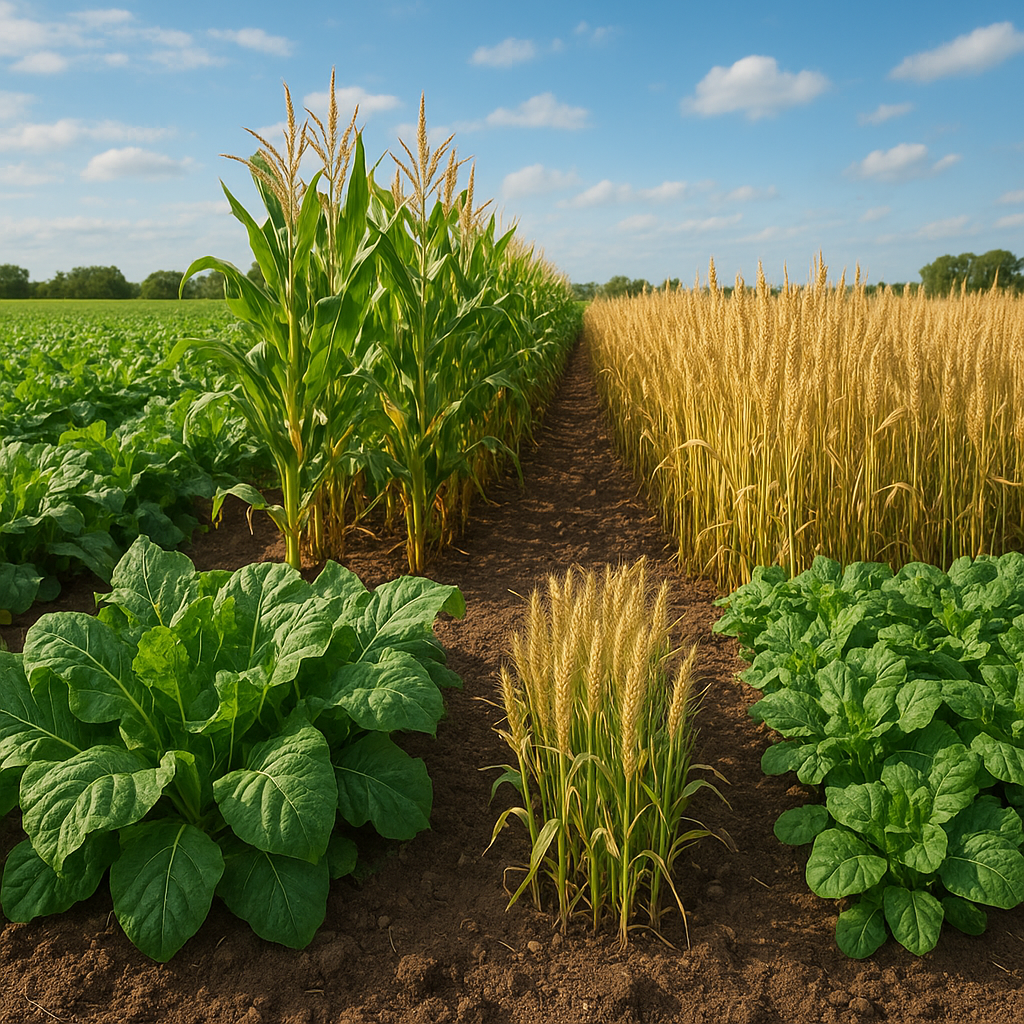
As agricultural entrepreneurs look ahead to 2025, pursuing crops that ensure both high returns and long-term stability becomes crucial. By focusing on market trends, understanding regional suitability, and leveraging cutting-edge methods, farmers can transform their operations into thriving businesses. This guide delves into the most profitable crops of the upcoming year and offers actionable tips rooted in sustainable cultivation.
The Best Crops for Profitability in 2025
Cultivating the right crops starts with identifying consumer demands and emerging trends. From niche gourmet produce to staple grains with a premium twist, here are the top contenders for maximizing profitability next year.
High-Value Vegetables
- Microgreens: These nutrient-packed seedlings fetch a premium in urban markets and restaurants. They require minimal space and short growth cycles, translating to rapid turnover.
- Heirloom Tomatoes: Unique flavors and vibrant colors make these varieties stand out at farmers’ markets. Their artisanal appeal allows growers to command higher prices.
- Asparagus: Once established, asparagus beds can produce for decades, offering a consistent revenue stream with relatively low maintenance.
- Gourmet Mushrooms: Varieties like oyster, shiitake, and lion’s mane thrive in controlled environments, yielding multiple harvests per cycle.
Specialty Grains and Legumes
- Quinoa: The global appetite for this protein-rich pseudocereal continues to grow. Selecting regionally adapted strains and ensuring proper drainage can boost yields.
- Chickpeas: A cornerstone of plant-based diets, chickpeas benefit from rotational cropping, improving soil nitrogen levels and reducing fertilizer costs.
- Amaranth: With its dual-use as leafy vegetable and grain, amaranth offers diversification and resilience against drought conditions.
Medicinal and Aromatic Plants
- Lavender: Widely used in cosmetics, essential oils, and aromatherapy, lavender thrives in well-drained soils and offers high returns per acre.
- Echinacea: Known for its immune-boosting properties, demand for Echinacea root and aerial parts is robust among herbal supplement producers.
- Stevia: As a zero-calorie sweetener, stevia is in high demand. Controlled-environment cultivation can ensure consistent leaf quality and higher yield.
Strategies for Maximizing Yield and Quality
Even the most lucrative crops require sound agronomic practices to reach their full potential. Implementing modern techniques and prioritizing soil health can dramatically influence both quantity and quality.
Precision Farming Techniques
- Use GPS-guided equipment for accurate seeding and fertilization, reducing waste and ensuring uniform plant stands.
- Adopt remote sensing and drone monitoring to detect nutrient deficiencies, pest outbreaks, and irrigation needs in real time.
- Leverage data analytics platforms that correlate weather patterns with field performance, enabling proactive decision-making.
Soil Health and Nutrient Management
- Conduct comprehensive soil tests to tailor fertilizer applications and avoid nutrient imbalances.
- Incorporate cover crops such as clover or rye to suppress weeds, prevent erosion, and add organic matter during off-seasons.
- Apply composted manure or biochar to enhance soil structure, water retention, and beneficial microbial activity.
Efficient Water and Irrigation Systems
- Drip irrigation reduces evaporation losses and delivers water precisely to the root zone, optimizing use and minimizing disease risks.
- Install moisture sensors that trigger irrigation only when soil water potential falls below crops’ critical threshold.
- Harvest and store rainwater to supplement irrigation supplies during dry spells, lowering utility costs and buffering against shortages.
Sustainable Practices and Innovation in Agriculture
Integrating sustainable methods not only preserves environmental health but also resonates with eco-conscious consumers, enhancing brand value and opening new market channels.
Organic Amendments and Biological Controls
- Switch to certified organic fertilizers and natural biostimulants to improve crop resilience and access premium markets.
- Introduce beneficial insects such as ladybugs or predatory mites to control pest populations without chemical residues.
- Utilize microbial inoculants that fix nitrogen, solubilize phosphorus, and protect plants against soilborne pathogens.
Climate-Resilient Varieties
- Partner with seed companies specializing in drought-tolerant or heat-resistant cultivars to safeguard yields in the face of erratic weather.
- Rotate crops with deep-rooted species to break pest cycles and improve water infiltration on heavy clay soils.
- Implement agroforestry practices, combining trees and crops to create microclimates that buffer extremes of temperature and moisture.
Adoption of Smart Technology
- Deploy IoT sensors to continuously gather data on temperature, humidity, and soil metrics, feeding into a centralized farm management dashboard.
- Experiment with controlled-environment agriculture (CEA) techniques such as greenhouses and vertical farming for high-value herbs and leafy greens.
- Use blockchain-enabled traceability systems to demonstrate product origin and production standards, meeting stringent retailer and consumer requirements.
By selecting crops aligned with evolving consumer tastes and applying cutting-edge agronomic techniques, growers can significantly enhance both short-term returns and long-term viability. Embracing precision methods, prioritizing soil health, and integrating innovation will position any farm for success in the competitive agricultural landscape of 2025.