Dry seasons test the limits of farming systems, pushing growers to explore crops that can thrive with minimal water. Success hinges on selecting the right plant varieties, optimizing soil health, and leveraging innovative practices to maintain productivity even when rains are scarce.
Choosing Drought-Resistant Crops
When water is limited, opting for resilient species that have evolved under arid conditions is essential. These plants often feature deep or extensive roots, mechanisms to reduce transpiration, and the ability to complete their lifecycle faster.
Millets and Sorghum
- Finger millet, pearl millet, and sorghum adapt well to sandy soils and high temperatures.
- They maintain reasonable yield with seasonal rainfall as low as 300–500 mm.
Legumes and Pulses
- Cowpeas, pigeon peas, and chickpeas fix atmospheric nitrogen, improving soil fertility.
- These crops thrive with minimal irrigation, making them great candidates for dry-season rotations.
Root and Tuber Crops
- Sweet potatoes, cassava, and yams store energy underground, buffering against drought stress.
- Planting early-maturing varieties can help avoid peak heat periods.
Soil Preparation and Water Management
Effective conservation of soil moisture begins long before planting. Techniques such as minimum tillage, organic amendments, and protective ground cover can significantly reduce evaporation and improve soil structure.
Mulching and Cover Crops
Applying a layer of organic mulch (straw, leaves, or compost) helps retain moisture, suppress weeds, and moderate soil temperature. Integrating cover crops between main seasons contributes additional organic matter, further boosting water-holding capacity.
Rainwater Harvesting
- Contour bunding and micro-catchments direct rainfall toward plant roots.
- Collecting roof runoff in tanks or ponds provides supplemental irrigation during dry spells.
Efficient Irrigation Systems
Drip and micro-sprinkler setups deliver water slowly at the plant base, minimizing losses from evaporation and runoff. When properly maintained, these techniques can increase water-use efficiency by up to 50% compared to flood irrigation.
Planting and Maintenance Strategies
Success in dry conditions depends not only on crop choice but also on precise field operations. Timely planting, proper spacing, and careful monitoring allow plants to make the most of available resources.
Seed Priming and Treatment
Pre-soaking or osmotic priming with salt solutions can accelerate germination and enhance early vigor. Treated seeds often exhibit better drought tolerance in the crucial first weeks of growth.
Optimal Planting Dates
- Early planting may take advantage of residual soil moisture from preceding rains.
- Avoiding peak heat periods reduces stress during pollination and grain fill.
Crop Rotation and Intercropping
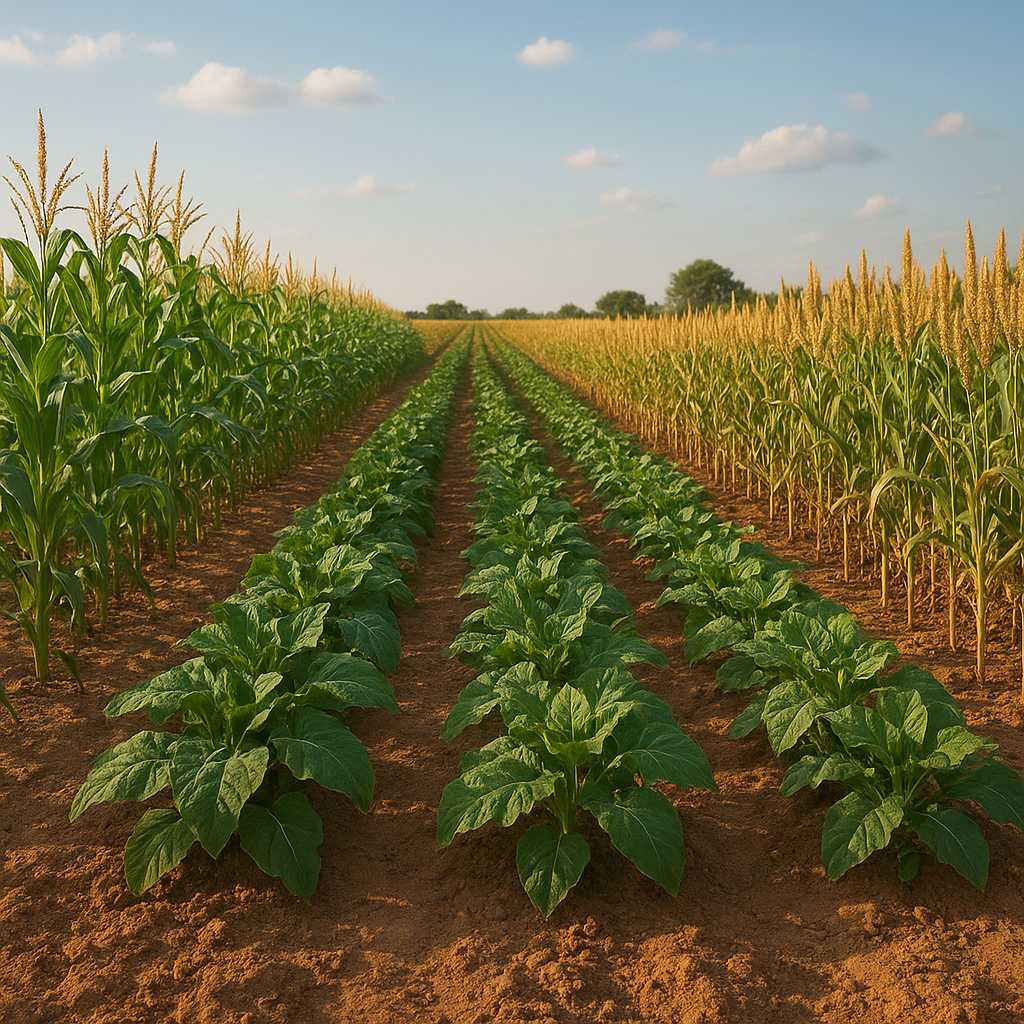
Rotating cereals with legumes enriches the soil and breaks pest cycles. Intercropping tall sorghum with low-growing legumes can maximize light interception and optimize water use through sustainability-oriented practices.
Innovative Techniques and Technologies
Adopting modern tools and scientific advances enhances farmers’ capacity to manage dry-season challenges. From digital sensors to biostimulants, these solutions support precise water delivery and bolster plant resilience.
Soil Moisture Sensors and Remote Sensing
- Portable probes measure volumetric water content, guiding irrigation schedules.
- Satellite imagery and drones detect stress patterns, enabling targeted interventions.
Hydrogel Application
Incorporating superabsorbent polymers into the soil matrix increases water retention and slowly releases moisture as crops need it. This technique can improve water-efficient irrigation performance.
Biostimulants and Microbial Inoculants
Products containing beneficial fungi or bacteria can enhance root growth, nutrient uptake, and drought tolerance. By stimulating natural plant processes, they support adaptation to harsh conditions.
Genetic Improvement and Breeding
Advances in plant agronomy and biotechnology are delivering new drought-tolerant varieties. Marker-assisted selection accelerates breeding for traits such as deep rooting, osmotic adjustment, and efficient stomatal regulation.
Economic and Environmental Benefits
Cultivating the right crops and employing best practices during dry seasons not only stabilizes farm income but also conserves precious water resources. These strategies promote long-term sustainability and resilience in agroecosystems.
- Lower irrigation costs and reduced energy consumption.
- Improved soil health and biodiversity.
- Enhanced food security in drought-prone regions.
Conclusion
By focusing on drought-tolerant species, enhancing soil moisture retention, and integrating cutting-edge technologies, farmers can achieve productive harvests even in water-scarce periods. Planning and innovation form the backbone of successful dry-season agriculture, ensuring healthy yields and resource stewardship year after year.