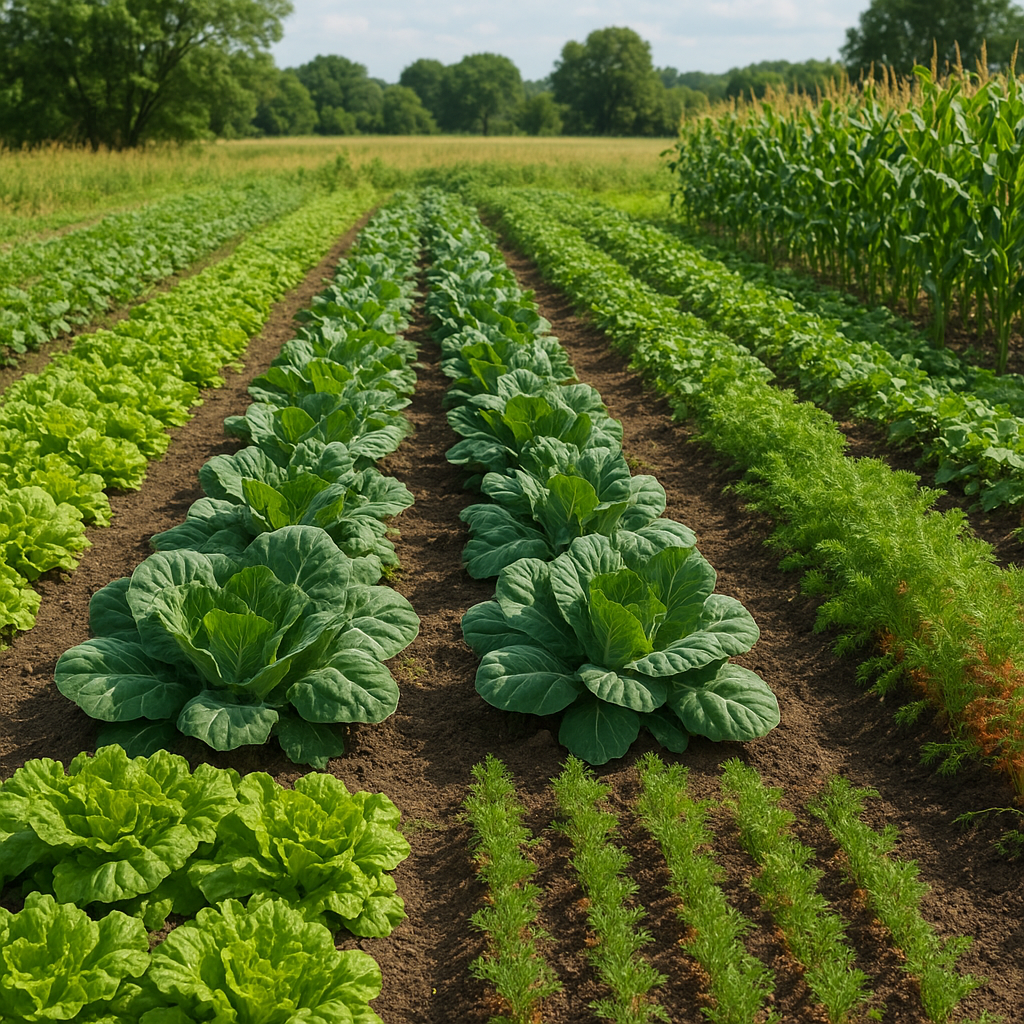
Organic farming on a small scale can be both a rewarding livelihood and a step toward more sustainable food systems. Farmers face unique challenges when cultivating limited acreage, from maintaining soil health to identifying the most profitable crops. By focusing on the right plant varieties, adopting proven techniques, and engaging with buyers, small-scale growers can maximize their output while emphasizing environmental stewardship.
Selecting Ideal Crops for Small-Scale Organic Farms
Choosing the best crops is the foundation of any successful enterprise. For small parcels of land, crop selection must balance profitability with ecological considerations. Here are a few top options:
1. Leafy Greens and Salad Mixes
- High turnover allows multiple harvests within a season.
- Fast growth rate reduces pest pressure and risk of crop failure.
- Strong market demand from restaurants and farmers’ markets.
2. Culinary and Medicinal Herbs
- Basil, parsley, oregano, and mint are popular for their flavor and aroma.
- Herbal teas and essential oils tap into niche markets.
- The small footprint of herbs frees up space for intercropping.
3. Heirloom Tomatoes and Specialty Peppers
- Biodiversity breeds unique flavors that command premium prices.
- Vertical trellising optimizes limited land space.
- Heirloom varieties often exhibit greater disease resistance.
4. Root Vegetables and Bulbs
- Carrots, beets, onions, and garlic store well, reducing spoilage.
- Their cultivation enhances soil fertility by scavenging nutrients.
- Crop rotation with roots helps break pest and disease cycles.
5. Specialty Berries
- Strawberries, raspberries, and blueberries offer high returns per square foot.
- Raised beds and water conservation techniques prolong freshness.
- Berries complement agritourism, such as u-pick operations.
Essential Organic Farming Techniques
Effective methods can transform soil, boost yields, and reduce unwanted chemical inputs. Emphasizing ecological balance ensures long-term viability.
Soil Health Management
- Implement crop rotation to maintain nutrient balance.
- Apply well-decomposed compost and green manures to enhance organic matter.
- Conduct regular soil testing to adjust pH and micronutrient levels.
Companion Planting and Biodiversity
- Flowering plants like marigolds and nasturtiums can attract beneficial insects.
- Legumes such as peas and beans fix nitrogen, supporting neighboring crops.
- Intercropping reduces pest management challenges by masking host plants.
Irrigation and Water Efficiency
- Drip irrigation targets roots, minimizing evaporation.
- Mulching conserves moisture and suppresses weeds.
- Rainwater harvesting systems can supplement irrigation needs.
Natural Pest and Disease Control
- Introduce predatory insects like ladybugs and lacewings.
- Use botanical extracts such as neem oil for organic insect suppression.
- Regular field monitoring and removal of infected plants limit pathogen spread.
Maximizing Yield Through Crop Management
Beyond choosing the right crops and techniques, careful planning and maintenance drive productivity. Small-scale operations can excel by honing their management practices.
Succession Planting
- Stagger sowing dates to ensure a continuous harvest.
- Follow quick-growing salad greens with summer crops like eggplants.
- Plan for fall and winter leafy greens to extend the season.
High-Density Planting and Vertical Systems
- Raised beds with narrow aisles maximize planting area.
- Use trellises for vining crops: cucumbers, peas, and beans.
- Vertical towers or pallets can increase tomato and strawberry yields.
Nutrient Management and Fertility Boosts
- Side-dress with compost tea during peak growth.
- Rotate in cover crops like clover to replenish nitrogen.
- Apply rock minerals or oyster shell flour to improve micronutrient profiles.
Harvest Timing and Technique
- Harvest early in the day to preserve freshness and flavor.
- Use sharp, sanitized tools to prevent plant damage and disease.
- Train pickers or family members on quality standards to minimize waste.
Market Strategies and Community Engagement
Securing a stable income requires both effective marketing and strong local networks. Small farms often thrive by forging direct relationships with consumers.
Farmers’ Markets and CSAs
- Community Supported Agriculture (CSA) programs guarantee revenue up front.
- Farmers’ markets offer opportunities to earn premiums for organic certification.
- Personal interactions build customer loyalty and word-of-mouth referrals.
Value-Added Products
- Jams, pickles, and herbal blends can increase profit margins.
- Workshops and farm tours educate consumers and deepen connections.
- Branded packaging highlights your commitment to sustainability.
Online Presence and Direct Sales
- Social media platforms allow you to showcase daily farm life and crop availability.
- Online ordering systems streamline CSA sign-ups and pre-orders.
- Local delivery services or farm stands broaden your customer base.
Building Partnerships
- Collaborate with chefs and local grocers to secure contract sales.
- Join cooperative buying groups to reduce input costs.
- Engage in community events to raise awareness about organic agriculture.
Continuous Improvement and Future Outlook
Staying adaptable and learning from each season is key to long-term success. Monitor yields, track expenses, and solicit customer feedback to refine operations. Exploring new crop varieties, trialing advanced tools, and networking with fellow farmers will ensure your small-scale organic farm remains productive, profitable, and a model of environmental responsibility.