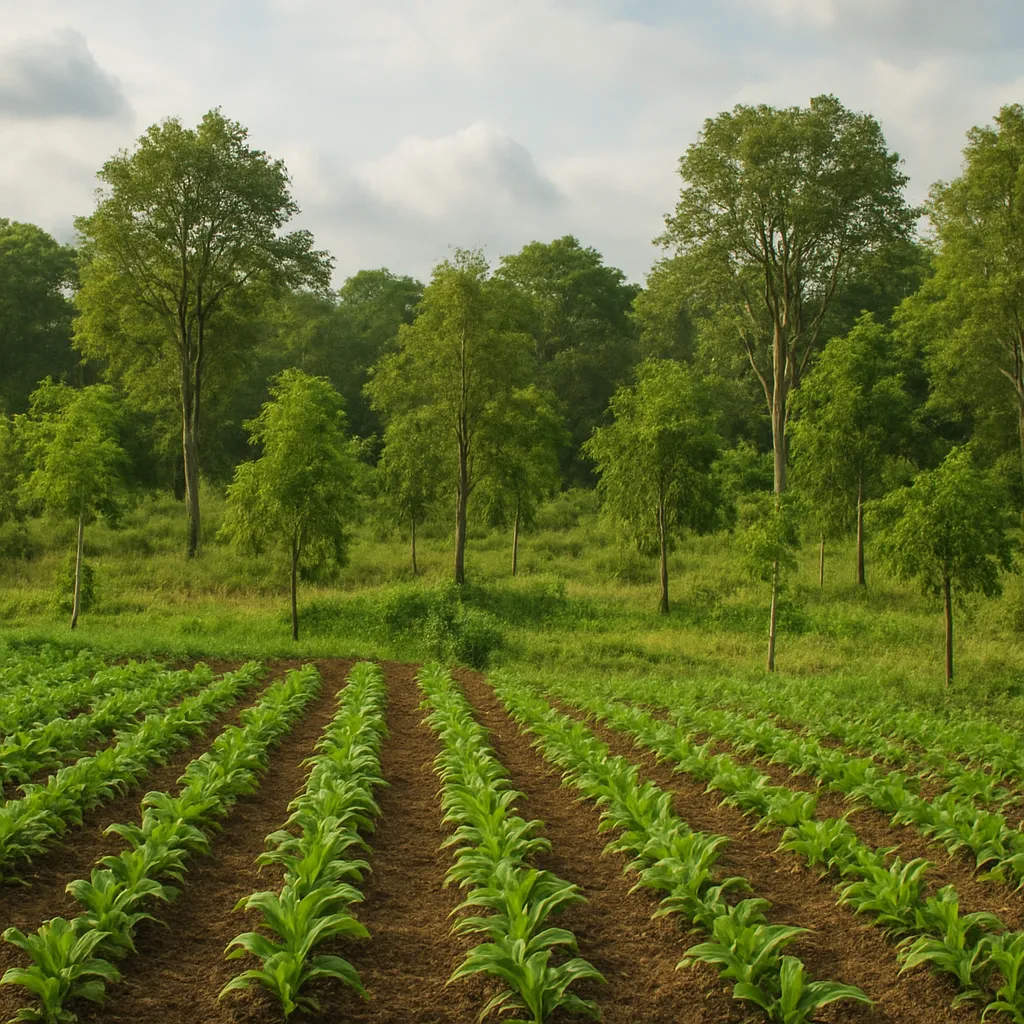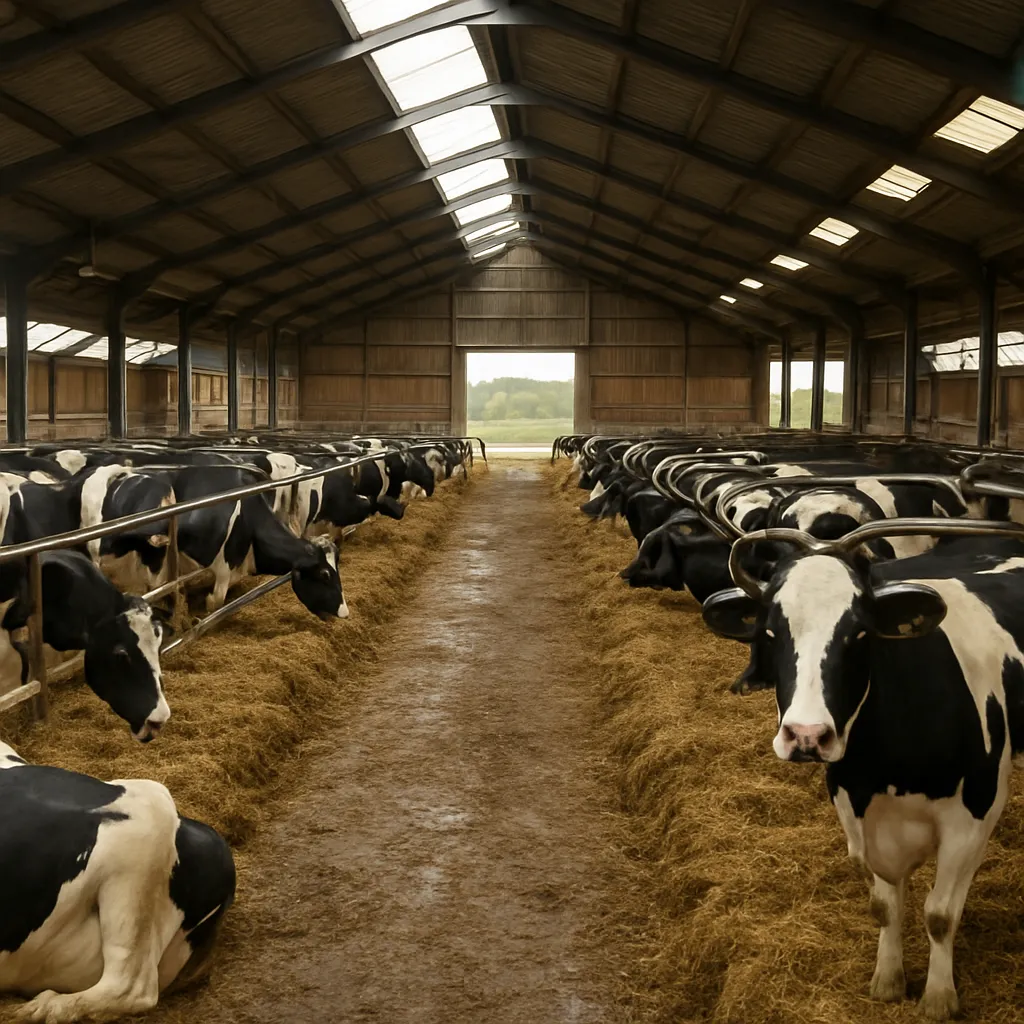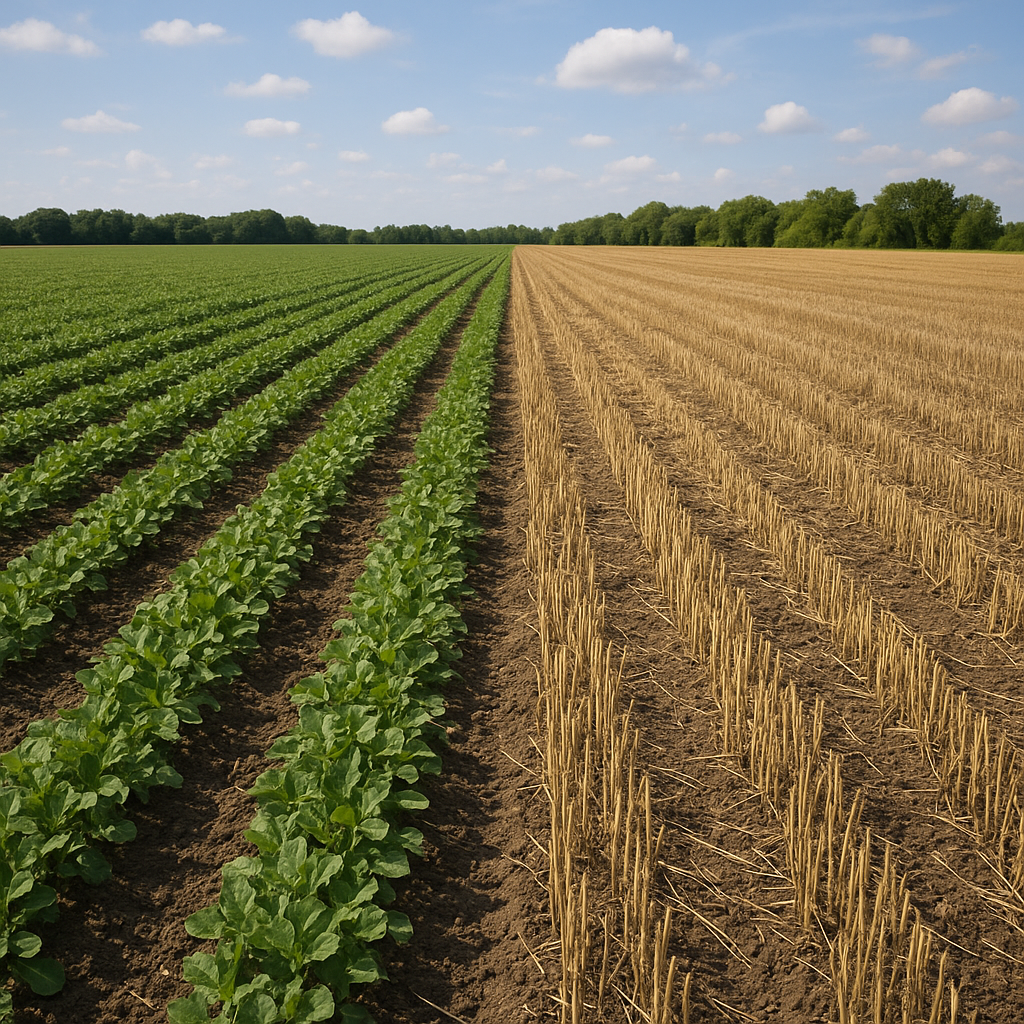
Zero tillage farming, also known as no-till agriculture, has revolutionized the way modern growers manage their fields. By eliminating traditional plowing and soil inversion methods, farmers can maintain a living soil ecosystem that promotes healthy plant growth while reducing environmental damage. This approach not only supports enhanced crop yields but also aligns with global efforts to achieve greater sustainability in food production.
Principles of Zero Tillage Farming
Zero tillage relies on a few core concepts that differentiate it from conventional tillage systems. The primary goal is to minimize soil disturbance, preserving the natural structure and living organisms.
- Residue Retention: Crop residues such as straw or stalks are left on the field surface to protect the soil from wind and water erosion.
- Direct Seeding: Seeds are sown directly into the untilled soil through specialized drills or planters that create narrow slits or holes.
- Soil Biota Preservation: By not inverting the soil, beneficial microbes, earthworms, and mycorrhizal networks remain intact, supporting nutrient cycling.
- Moisture Retention: The residue cover acts as a mulch, reducing evaporation and maintaining consistent moisture levels around germinating seeds.
Soil Profile and Horizon Preservation
Zero tillage techniques leave the distinct layers of soil horizons intact. This preserves the natural gradient of organic matter, clay content, and nutrient availability. Maintaining these horizons prevents nutrient leaching to deeper layers and supports healthy root distribution, promoting robust plant architecture.
Natural Nutrient Cycling
Undisturbed soils house a vast array of decomposers—bacteria, fungi, and detritivores—that break down organic residues into plant-available forms. Zero till practices maintain this biological network, enabling crops to tap into slow-release nutrients and reducing the need for synthetic fertilizers.
Environmental and Economic Advantages
Embracing zero tillage offers a cost-effective solution that balances profitability and environmental stewardship. Below are key benefits that have encouraged adoption worldwide.
- Erosion Control: Soil surface cover and the intact root channels from previous crops significantly lower soil loss by wind and water.
- Carbon Sequestration: Reduced soil disturbance helps store organic carbon beneath the soil surface, mitigating greenhouse gas emissions.
- Enhanced Soil Structure: Over time, zero tillage promotes improved porosity and aggregate stability, facilitating root expansion and water infiltration.
- Lower Fuel Consumption: Fewer passes with tractors and implements translate into significant savings in fuel costs and labor.
- Increased Biodiversity: A more diverse microbial community and beneficial insects thrive in undisturbed soil, providing natural pest control.
- Financial Resilience: Reduced input costs and improved yields can boost the profitability of farming operations, even under adverse market conditions.
Case Study: Adoption in the Great Plains
Farmers across the Great Plains region of North America have embraced zero tillage since the 1990s. By conserving moisture in semi-arid climates, producers have reported yield increases up to 15% for cereals such as wheat and sorghum. Furthermore, long-term monitoring has shown a measurable rise in soil organic matter by an average of 0.3% per year, demonstrating the practice’s capability to rebuild degraded soils.
Implementation Strategies and Tips
Navigating the transition to zero tillage can be challenging, but with careful planning and the right tools, farmers can overcome common hurdles.
Site Selection and Preparation
Choosing suitable fields is essential. Avoid overly compacted or waterlogged areas at the outset. Begin in well-drained fields with moderate slopes and healthy residue levels.
Equipment and Seeders
- Select planters designed for no-till conditions, equipped with high-pressure coulters or disc openers that cut through residue efficiently.
- Consider retrofit kits that upgrade existing machinery to handle zero-tillage demands, such as closing wheels that ensure firm seed-to-soil contact.
Crop Rotation and Cover Crops
Integrating a diverse rotation and introducing cover crops can break pest cycles, add organic matter, and improve nutrient availability.
- Plant legumes like clover or vetch to fix nitrogen naturally.
- Use grasses such as rye or oats to scavenge excess nitrogen and protect soil structure.
Weed and Pest Management
Zero tillage changes weed dynamics, often requiring integrated management:
- Deploy targeted herbicide applications that focus on pre-emergent control without harming beneficial species.
- Use mechanical options like inter-row cultivation sparingly to avoid disturbing the entire field.
Community and Policy Support
Successful zero tillage transitions often rely on supportive networks and progressive policies:
- Cooperative Extension Services offer training workshops and field days, allowing farmers to observe equipment demonstrations and share insights.
- Cost-Share Programs subsidize the purchase of no-till planters or cover crop seed, lowering the risk associated with early adoption.
- Peer-to-Peer Mentorship encourages experienced no-till practitioners to guide newcomers, fostering a community of continuous improvement.
Innovations and Future Perspectives
The future of zero tillage farming is driven by technological advancements and a growing emphasis on regenerative practices. Researchers and agritech companies are exploring new pathways to elevate productivity and sustainability.
- Precision Agriculture: GPS-guided drills and variable-rate technology optimize inputs and ensure accurate seed placement, reducing waste.
- Biostimulants and Microbial Inoculants: Products that enhance root growth and increase nutrient uptake can accelerate the health benefits of zero till systems.
- Remote Sensing and UAVs: Drones equipped with multispectral cameras monitor crop health, residue cover, and soil moisture, enabling data-driven decisions.
- Automated Machinery: Autonomous tractors and robotic planters promise to reduce labor constraints while maintaining minimal soil disturbance.
- Advanced Cover Crop Mixtures: Scientists are developing tailored seed blends that address specific regional constraints, from drought tolerance to pest suppression.
Overcoming Common Challenges
While zero tillage offers many benefits, challenges such as initial compaction, residue handling, and weed shifts can arise. Innovative solutions are emerging to address these issues:
- Vertical till carts combine minimal soil fracturing with residue mixing to alleviate compaction without full inversion.
- Cover crop roller-crimpers streamline the termination of cover crops, generating a thick mulch that suppresses weeds and retains moisture.
- Biodegradable film applicators create temporary soil-warming effects in cold climates, improving early-season seedling establishment.
Resilience to Climate Variability
Zero tillage systems have shown remarkable resilience in the face of erratic weather patterns. By maintaining higher soil moisture and fostering deeper root systems, crops are better equipped to withstand drought spells and heavy rainfall. This resilience is critical as farmers grapple with increasingly unpredictable climate events.
Technology Integration
Modern sensors and data analytics help optimize zero till practices by delivering real-time feedback on field conditions. Soil moisture probes measure volumetric water content at multiple depths, guiding irrigation and planting schedules. Paired with weather stations, these systems empower farmers to adapt strategies proactively, ensuring operations align with forecasted conditions.
Best Practices for Diverse Agroecosystems
Zero tillage techniques must be tailored to local climates, soil types, and cropping systems. Below are several best practices for specific agroecosystems:
Temperate Regions
- Emphasize deep-rooted cover crops such as barley or radish to break compaction layers formed under heavy machinery.
- Monitor residue thickness to ensure adequate ground cover before winter, reducing freeze-thaw damage.
Arid and Semi-Arid Zones
- Prioritize moisture-retentive species like sun hemp or forage sorghum to maximize water use efficiency.
- Time planting operations immediately after rainfall to capitalize on natural infiltration.
Tropical Climates
- Introduce legume–grass mixtures that suppress aggressive weeds while enriching nitrogen stocks.
- Use light tilling in the first year to manage high residue loads, then transition fully to zero till in subsequent seasons.
High-Rainfall Areas
- Maintain continuous residue cover to prevent surface crusting and promote rapid infiltration during heavy rains.
- Implement raised beds or controlled traffic farming to avoid excessive waterlogging in low-lying areas.
Zero tillage farming is more than a set of techniques; it represents a shift toward regenerative paradigms that value the living soil as a central component of agricultural productivity. By integrating sound agronomic principles, innovative technology, and community-driven support, this approach demonstrates how agriculture can be both profitable and ecologically harmonious.