Embracing clean power sources on the farm offers a transformative path toward greater efficiency, cost savings, and environmental stewardship. By tapping into natural resources such as sunlight, wind, and organic residues, agricultural operations can reduce reliance on fossil fuels, improve crop yields, and build resilience in the face of climate change.
Understanding the Potential of Renewable Energy in Agriculture
Solar Power Systems
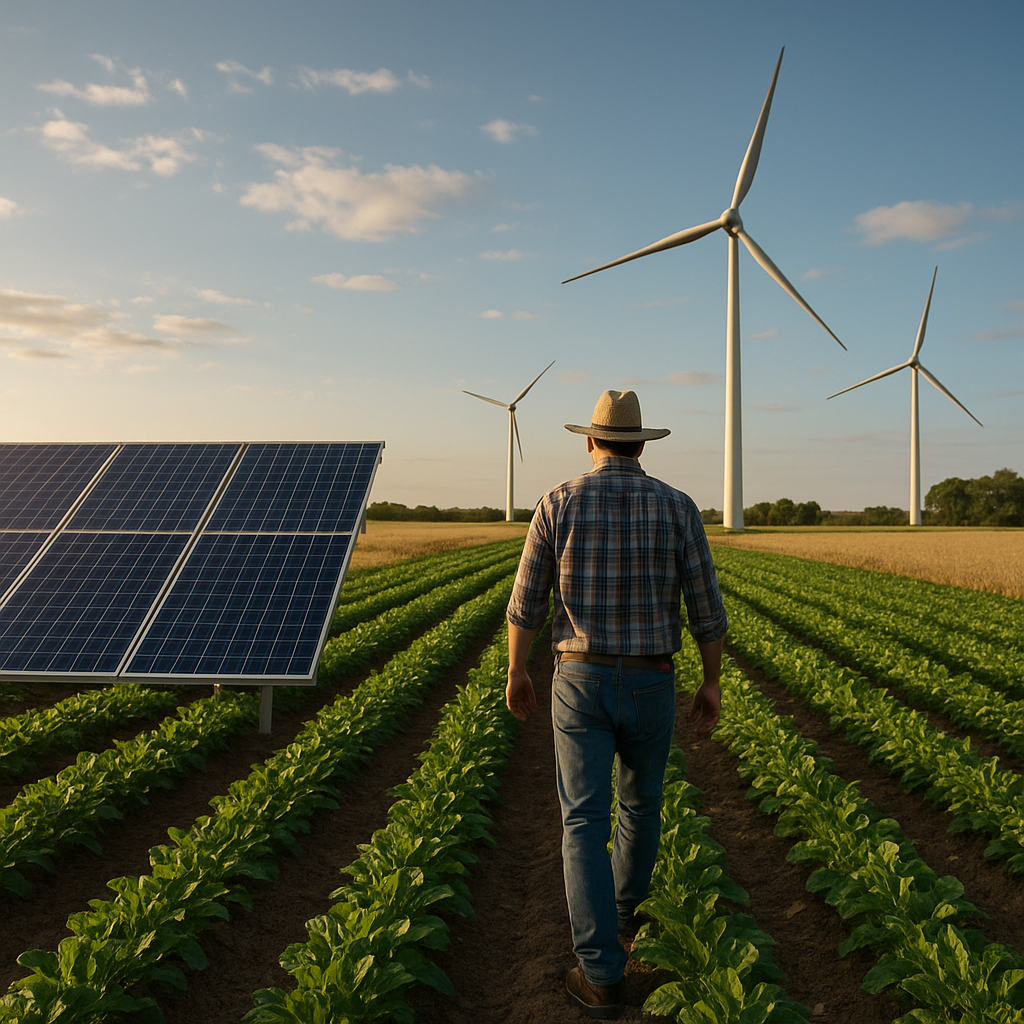
Solar technology has rapidly become a cornerstone of on-farm energy solutions. Photovoltaic (PV) panels convert sunlight directly into electricity to power pumps, lighting, and processing equipment. Off-grid arrays can be paired with batteries to ensure continuous operation during cloudy days or after dusk. Integrated Agrovoltaics designs allow panels to be elevated above crops, creating dual uses for land—generating clean power while providing shade that can reduce heat stress on plants and conserve soil moisture.
Key advantages include reduced utility bills, minimized greenhouse gas emissions, and scalable installations. Farmers can start with small, roof-mounted systems and later expand to larger ground-mounted arrays as budgets and land availability permit.
Wind Energy Applications
Small to medium-scale wind turbines capture the wind that sweeps across open fields and ridge tops. Even a single turbine with a 5–15 kW capacity can offset significant electricity costs, especially for irrigation pumping. Modern turbines feature variable-speed operation and integrated power electronics to maximize efficiency and reliability.
Site assessment is vital: average wind speeds should exceed 4.5 m/s at turbine hub height to make projects economically viable. Combining wind capacity with solar assets in a hybrid system can smooth out intermittency, ensuring a steadier energy supply throughout the year.
Other Sources: Biomass and Geothermal
Biomass systems use agricultural residues—such as crop stalks, manure, and forestry by-products—to produce biomass fuels. Through processes like anaerobic digestion, farms can generate biogas for heating greenhouses or powering CHP (combined heat and power) units. Residual digestate serves as a nutrient-rich fertilizer, creating a closed-loop conservation model.
Geothermal heat pumps leverage stable underground temperatures to heat barns, greenhouses, and living quarters. Though initial drilling costs can be high, these systems offer sustainability and low operating expenses over decades. Many regions now provide incentives or grants to offset the up-front investment.
Practical Tips for Integrating Renewable Technologies
- Conduct an energy audit: Assess current consumption patterns and identify the best candidates for electrification and clean energy substitution.
- Optimize pump scheduling: Pair solar or wind systems with smart controllers to run irrigation during peak generation hours, reducing storage needs.
- Scale strategically: Begin with modular units—such as 5 kW solar arrays or 10 kW wind turbines—that can be expanded as ROI becomes clear.
- Leverage government programs: Research grants, tax credits, and low-interest loans designed to spur agricultural decarbonization.
- Partner with local utilities: Explore net-metering agreements or community microgrid initiatives to sell excess power back to the grid.
- Maintain regular servicing: Clean PV panels quarterly, inspect turbine blades annually, and monitor battery health to sustain high performance.
- Train staff: Ensure operators understand system controls, basic troubleshooting, and safety protocols related to high-voltage equipment.
- Install energy monitoring: Real-time dashboards help pinpoint inefficiencies and justify further investments in innovation.
- Combine technologies: Hybridize solar, wind, and storage to maximize uptime and mitigate intermittency challenges.
- Reinvest savings: Allocate generated cost reductions into precision agriculture tools—like soil sensors or variable-rate applicators—that further drive productivity.
Advancing Sustainability and Productivity
Implementing clean energy solutions can elevate overall farm performance in multiple dimensions. Higher energy independence means less vulnerability to volatile fuel prices and supply disruptions. Farmers gain the freedom to power remote stations, cold-storage facilities, and processing units without extending traditional grid infrastructure into distant fields.
Renewable energy also opens up new revenue streams. Selling surplus electricity under feed-in tariffs or participating in carbon credit markets can boost farm income. In regions where community solar initiatives are active, cooperative models let multiple farmers share installation costs and benefits. Establishing a local microgrid can fortify rural electrification, ensuring that emergencies or grid outages have minimal impact on critical agricultural processes.
Beyond economics, clean energy integration strengthens environmental stewardship. Reduced carbon footprints align with consumer demand for sustainably produced food. Certifications and eco-labeling—approved by retailers and marketplaces—can leverage a farm’s green credentials, fetching premium prices and improving brand reputation. Soil health improves when irrigation is timed more precisely, curbing overwatering and nutrient leaching. Wildlife habitats benefit when buffer zones host solar arrays sensibly, creating corridors for pollinators and small mammals.
Innovative research is continually expanding the possibilities: floating solar installations on irrigation reservoirs, wind-powered desalination for salt-affected soils, and bioenergy crops tailored for high-yield biomass production. Emerging technologies like solar-driven electrolysis promise on-farm production of green hydrogen, offering long-term energy storage and clean fuel for tractors and machinery.
By embracing these strategies, farmers can position their operations at the forefront of a global shift toward regenerative, resilient, and profitable agriculture. The embrace of renewable energy is not just a matter of compliance or cost cutting—it represents a holistic transformation that safeguards natural resources while meeting the demands of a growing population.