Efficient water management has become a pivotal concern for small-scale growers aiming to maximize yields while conserving precious resources. Drip irrigation offers a transformative solution by delivering moisture and nutrients directly to plant roots, minimizing waste and fostering healthier crops. This method not only enhances water use but also boosts crop performance, ensuring that farmers can cultivate resilient and productive fields.
Understanding Drip Irrigation and Its Applications
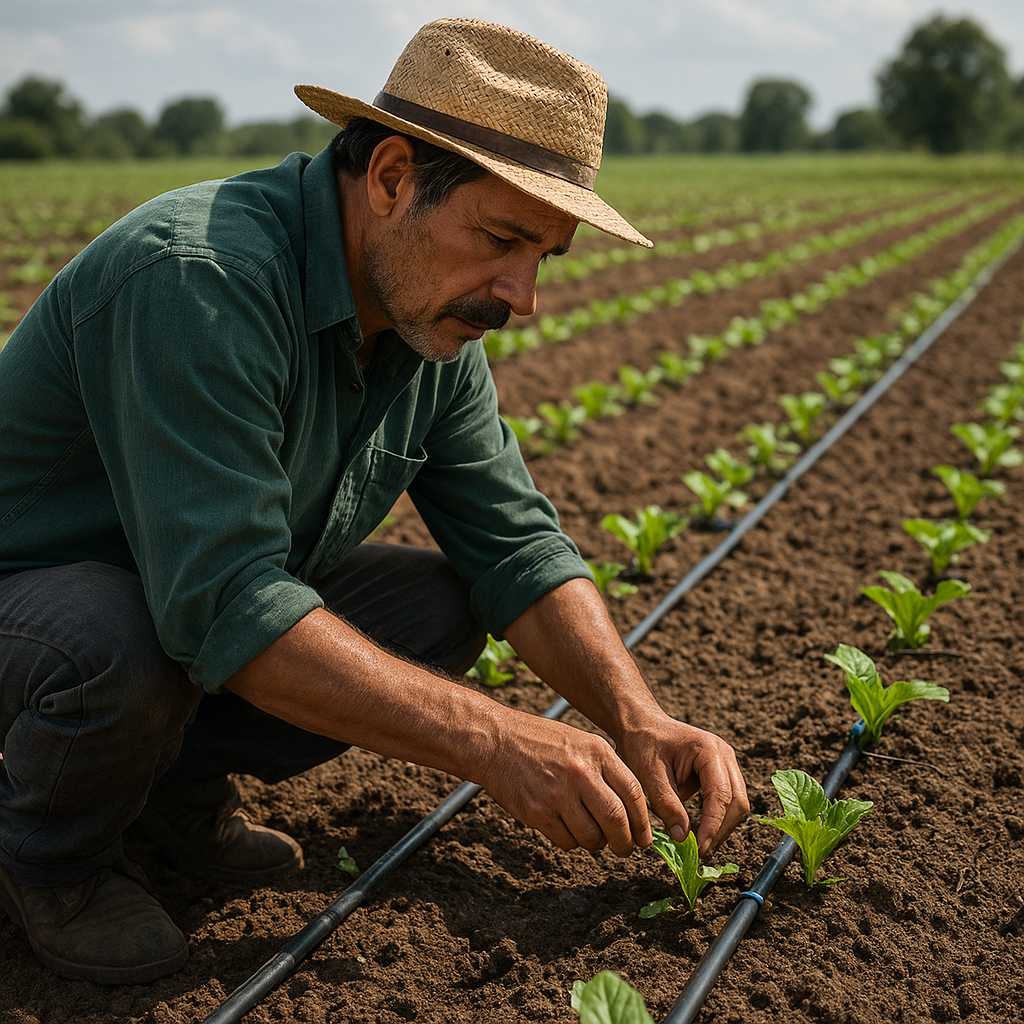
Drip irrigation is a micro-irrigation technique where water drips slowly to the root zone of plants, either onto the soil surface or directly onto the root zone, through a network of valves, pipes, tubing, and emitters. This approach stands in contrast to traditional methods like flood or sprinkler irrigation, which often lead to excessive evaporation, runoff, and uneven distribution. By focusing delivery precisely where it’s needed, drip systems promote efficiency and lower labor requirements.
Core Components of a Drip System
- Pipes and Tubing: Transport water from the main supply to each plant row.
- Emitters and Drippers: Regulate flow rate and ensure uniform distribution.
- Filters: Prevent clogging by removing sediments.
- Pressure Regulators: Maintain optimal operating pressure for consistent delivery.
- Fertilizer Injectors (optional): Enable precise nutrient delivery through fertigation.
Suitable Crops and Soil Types
Nearly any crop can benefit from drip irrigation, but it is especially advantageous for high-value fruits, vegetables, and specialty crops such as tomatoes, peppers, strawberries, and grapes. Drip systems adapt well to a variety of soil types, including sandy soils prone to leaching and heavy clays that retain water. Adjustments to emitter spacing and flow rates allow farmers to fine-tune irrigation to local conditions.
Key Benefits for Small Farmers
For small-scale producers, adopting drip irrigation translates into tangible advantages that directly affect both the farm’s productivity and long-term viability.
- Water Conservation: By reducing evaporation and deep percolation losses, drip systems can use up to 50% less water compared to conventional methods. This is crucial in regions facing water scarcity or seasonal droughts.
- Improved Yield: Consistent moisture levels prevent crop stress, leading to healthier plants and higher yields. Many farmers report yield increases of 20–50% after switching to drip irrigation.
- Reduced Weed Growth: Surface soil remains drier between rows, suppressing weed germination and reducing the need for herbicides or manual weeding.
- Enhanced Soil Health: By limiting waterlogging and promoting better aeration, drip irrigation fosters robust root development and microbial activity, leading to sustainable soil structure.
- Cost-Effective Operation: Although initial installation requires investment, low energy requirements and reduced water bills offer rapid payback—often within two to three growing seasons.
- Labor Savings: Automated controllers and timers allow precise scheduling, cutting down on manual labor for watering and enabling farmers to focus on other tasks.
Implementation Tips and Best Practices
Effective deployment of a drip system hinges on careful planning, proper installation, and routine maintenance. Below are practical guidelines to ensure long-term performance.
Site Assessment and Design
- Measure field topography and slope to avoid uneven flow and pooling.
- Test water quality for pH, salinity, and sediment levels; install appropriate filters and treatment if necessary.
- Sketch a layout marking every row, emitter location, and control valve to streamline installation.
- Choose emitters with flow rates suitable for crop water requirements and soil infiltration characteristics.
Installation Steps
- Lay mainline pipes along the top edge of the field and submains between crop rows.
- Install pressure regulators at the water source to maintain a precision-controlled environment.
- Connect laterals with drippers spaced according to plant density—usually 30–60 cm apart.
- Secure tubing with stakes to prevent movement during cultivation or harvesting.
- Calibrate and program controllers for daily or alternate-day irrigation cycles, adapting to seasonal shifts.
Maintenance and Troubleshooting
- Flush lines at the beginning and end of each season to clear debris.
- Inspect emitters periodically for clogs—replace or clean as needed.
- Monitor soil moisture using tensiometers or moisture probes to verify system effectiveness.
- Repair leaks promptly to avoid water loss and preserve sustainability goals.
Case Studies and Economic Impact
Real-world examples underscore how drip irrigation can revolutionize small farms by improving profitability and ecological footprint.
Family Farm in Southern Italy
- Crop: Olive trees and vineyards
- Outcome: 40% reduction in water usage, 30% boost in olive oil yield, and enhanced grape sweetness attributed to precise moisture control.
Vegetable Growers in California’s Central Valley
- Crop: Tomatoes, peppers, and cucumbers
- Outcome: Switching to fertigation reduced fertilizer bills by 25% while increasing marketable produce by 45%.
Rice Paddies in Southeast Asia
Although rice traditionally requires flooded fields, innovative low-head drip systems have allowed smallholders to maintain paddy production with 30% less water and significant methane emission reductions.
Future Trends and Innovative Approaches
As climate pressures intensify, ongoing innovation in irrigation promises to further support smallholder resilience and resource stewardship.
- Smart Irrigation: Integration of soil sensors, weather forecasts, and IoT devices enables real-time adjustments, optimizing water schedules and avoiding waste.
- Solar-Powered Pumps: Off-grid solar energy drives water distribution, lowering fuel costs and carbon footprints.
- Biodegradable Emitters: New materials dissolve after a season, simplifying post-harvest cleanup and reducing plastic waste.
- Crop-Specific Algorithms: Software tools analyze crop growth stages to modulate drip frequency and volume, ensuring peak productivity at each phase.
By embracing drip irrigation, small farmers unlock a path toward resilient agriculture—one that conserves water, elevates yields, and sustains the land for generations to come. With thoughtful design and diligent upkeep, every drop counts, transforming challenges into opportunities for growth.