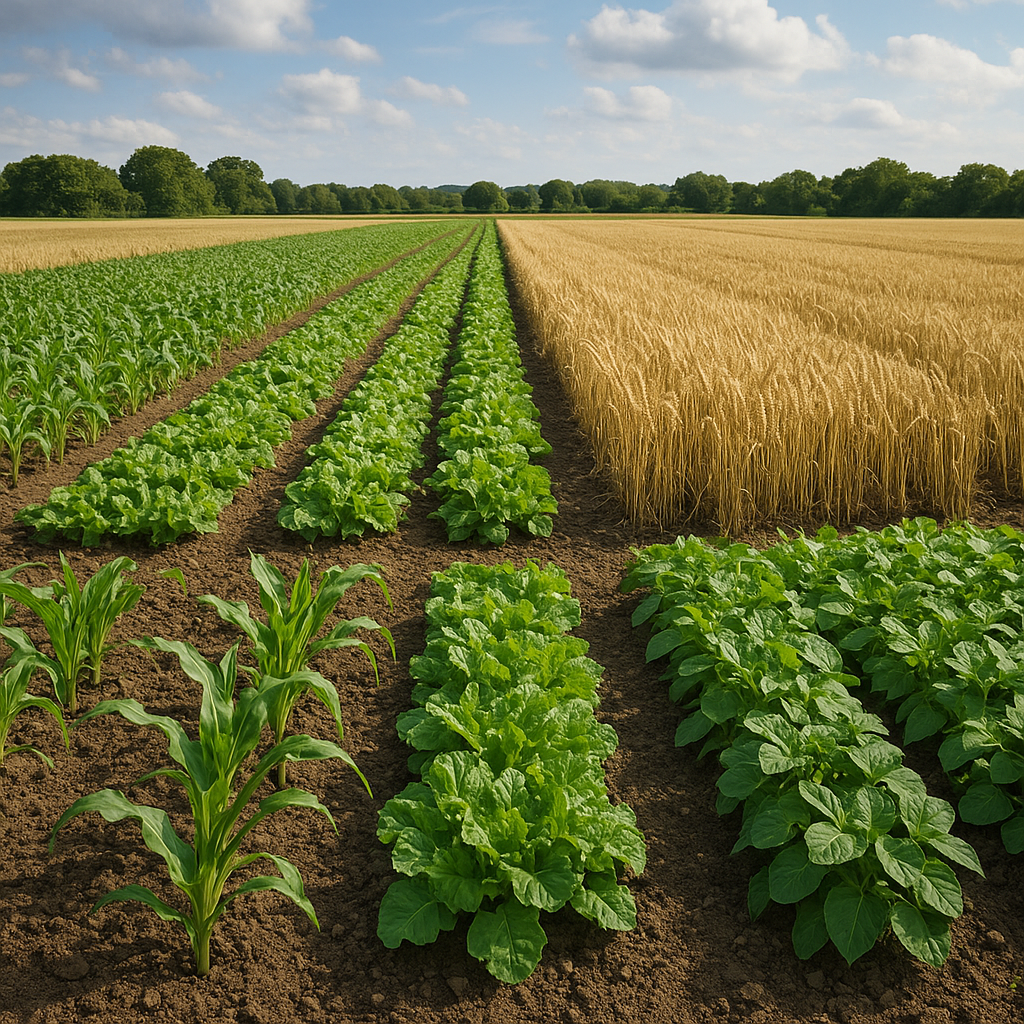
The Benefits of Crop Rotation Explained offers an in-depth exploration of how strategic planning in planting sequences can revolutionize modern agriculture. By alternating different plant families on the same plot, farmers can enhance soil health, reduce pest pressures, and boost long-term productivity. This article dives into the core principles, practical guidance, and complementary techniques that make crop rotation a cornerstone of sustainable farming.
Understanding the Fundamentals of Crop Rotation
Crop rotation is the practice of growing dissimilar types of crops in sequenced seasons on the same land to break pest and disease cycles. At its heart, it relies on the biological relationships between plants and soil organisms. When producers follow a well-designed rotation plan, they can reap multiple benefits:
- Enhanced fertility through natural nutrient cycling.
- Improved biodiversity above and below ground.
- Optimized use of nutrients and reduced reliance on synthetic fertilizers.
- Greater resilience against extreme weather events.
These advantages are interconnected. For example, adding legumes in a rotation can boost nitrogen availability for subsequent cereal crops, while cover crops like clover or vetch protect soil from erosion and add organic matter. By understanding these relationships, farmers create a dynamic system that sustains productivity without depleting natural resources.
Designing an Effective Rotation Plan
Every farm has unique characteristics—climate, soil type, market access, and risk tolerance. An effective rotation plan should reflect these variables. Key steps include:
- Assessment of soil health via tests for pH, nutrient levels, and organic matter content.
- Identification of high-risk pests or diseases prevalent in the region.
- Selection of complementary crops with contrasting nutrient demands.
- Integration of cover crops and fallow periods for soil recovery.
- Development of a multi-year schedule that balances economic returns and ecological benefits.
Farmers might adopt a simple two-year rotation—such as alternating wheat with legumes—or a complex four-year sequence involving cereals, brassicas, legumes, and root crops. The latter can disrupt multiple pest cycles while addressing diverse nutrient needs. Regardless of complexity, the guiding principle remains: avoid planting the same crop or related species on the same field in consecutive seasons.
Practical Tips for Successful Implementation
Start Small and Scale Up
Transitioning to a full-scale rotation system can be challenging. Begin with a pilot plot, trialing one or two new crops alongside existing rotations. Monitor performance and adjust based on observed outcomes. Once confidence grows, expand the practice across the farm.
Monitor and Record Key Metrics
Tracking indicators such as yield per hectare, soil nutrient levels, and pest incidence provides evidence for adjusting the rotation plan. Invest in affordable soil tests and maintain a detailed journal with planting dates, crop varieties, input applications, and harvest data.
Use Cover Crops Strategically
Cover crops like rye, oats, and mustard serve multiple purposes. They:
- Suppress weeds through ground cover.
- Reduce erosion by protecting bare soil.
- Enhance organic matter when incorporated as green manure.
- Provide habitat for beneficial predators of harmful insects.
Plan cover crop mixtures carefully to avoid undue competition with cash crops and ensure timely incorporation to maximize benefits.
Integrate Livestock where Possible
Grazing animals after harvest can help terminate cover crops, return manure nutrients, and improve soil structure through trampling. Rotational grazing systems complement crop rotation by diversifying on-farm outputs and creating a closed nutrient loop.
Synergies with Other Sustainable Practices
While crop rotation yields significant gains alone, integrating it with other techniques magnifies the impact:
- Conservation Tillage: Minimizes soil disturbance, preserving soil structure and moisture.
- Agroforestry: Incorporates trees into fields to provide shade, windbreaks, and additional biomass.
- Integrated Pest Management (IPM): Combines crop rotation with biological controls, pheromone traps, and targeted chemical use.
- Precision Agriculture: Uses GPS and sensors to apply inputs only where needed, reducing waste and boosting efficiency.
By layering these strategies, producers can optimize resource use, cut input costs, and raise overall system sustainability.
Case Studies and Advanced Considerations
Real-world examples illustrate the transformative power of rotation:
- A Midwestern grain farm rotated corn, soybeans, wheat, and cover crops over four years, cutting fertilizer costs by 30% and doubling earthworm populations.
- A Mediterranean olive grower integrated legumes and brassicas in the understorey, improving soil organic matter by 15% in two seasons.
- A small-scale vegetable farm implemented a three-year rotation with root, leaf, and fruiting crops, effectively eliminating a persistent soil-borne wilt.
Advanced practitioners explore intercropping—growing two or more species simultaneously—or strip cropping, where narrow strips of different crops run alongside each other. These approaches further diversify habitats and complicate pest life cycles. However, they require careful spatial planning and often more labor.
Researchers continue to refine rotation algorithms using machine learning to predict optimal sequences for specific regions. Such digital tools promise to make bespoke rotation plans accessible to farmers of all scales.
Key Challenges and Solutions
Implementing crop rotation is not free of obstacles:
- Market Demands: Limited demand for certain crops may discourage diversification. Solution: Identify niche markets or contract growers to secure off-take agreements.
- Knowledge Gaps: Farmers may lack familiarity with new crops or practices. Solution: Leverage extension services, farmer networks, and demonstration plots.
- Equipment Constraints: Specialized planting or harvesting machinery may be required. Solution: Share equipment through cooperatives or rent from service providers.
- Risk Aversion: Fear of yield losses during transition. Solution: Conduct small-scale trials, seek cost-share programs, and monitor pilot results closely.
By proactively addressing these issues, agricultural managers can move from theory to practice with confidence.
Future Directions in Crop Rotation Research
Emerging areas include:
- Genomic selection for crops optimized in rotation systems.
- Microbiome engineering to promote beneficial soil bacteria and fungi.
- Remote sensing for real-time monitoring of crop health and nutrient status.
- Economic models assessing long-term returns on rotation investments.
These innovations promise to fine-tune rotation strategies, making them even more effective at sustaining both farm profitability and ecological integrity. As agriculture confronts the dual challenges of feeding a growing population and coping with climate change, crop rotation stands out as a proven, adaptable, and low-cost solution.