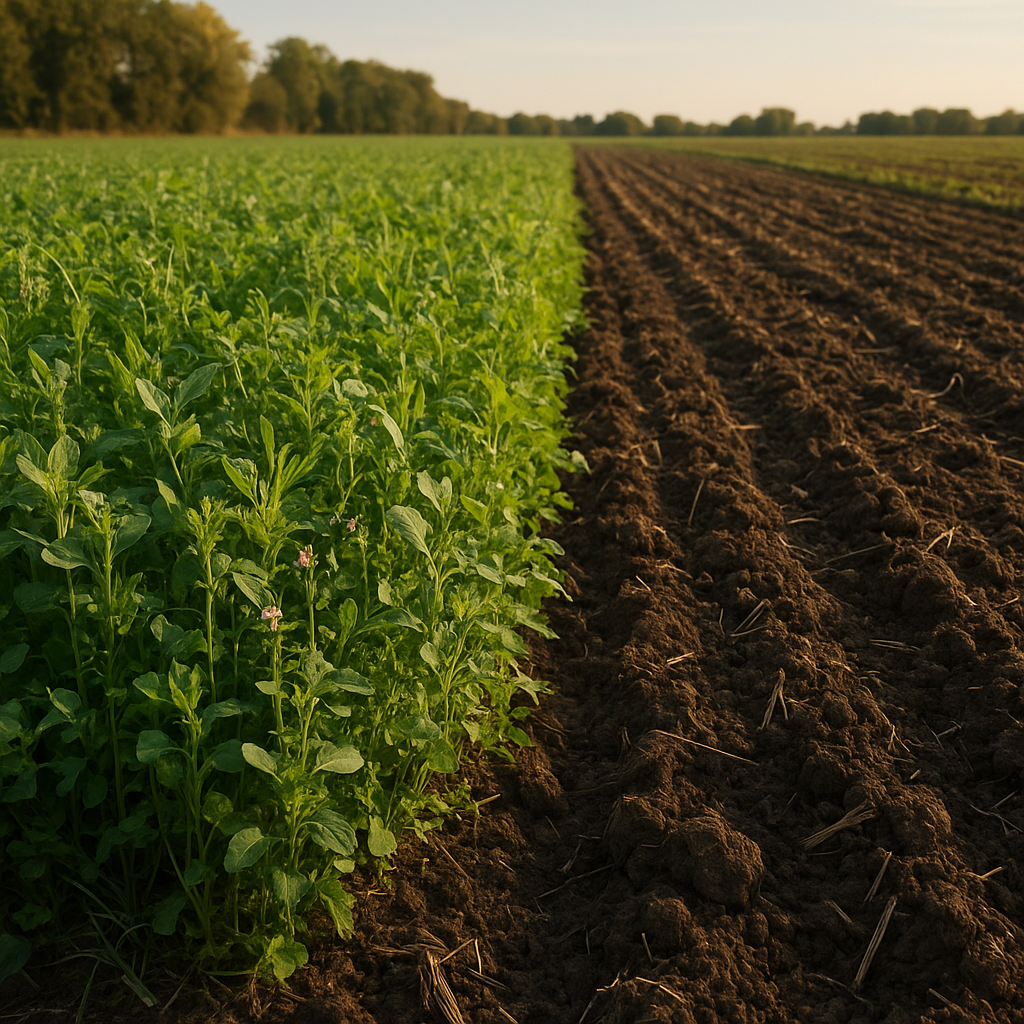
Cover crops play a pivotal role in modern agriculture by enhancing soil structure, controlling weeds, and boosting overall farm performance. When integrated thoughtfully, these plants not only protect bare fields between main crops but also deliver a range of agronomic benefits that extend beyond a single season. This guide explores how farmers can leverage cover crops to foster sustainability, improve soil fertility, and raise long-term yield.
Understanding Cover Crops and Their Varieties
Cover crops are non-harvested crops grown primarily to benefit the soil and agroecosystem. They can be categorized into several groups, each bringing unique advantages:
- Legumes (e.g., clovers, vetch, peas): Fix atmospheric nitrogen and enrich soil nutrient content.
- Grasses (e.g., rye, oats, barley): Generate extensive root systems for improved soil structure and erosion control.
- Brassicas (e.g., radish, mustard): Penetrate compacted layers, scavenge residual nutrients, and suppress pests.
- Mixed blends: Combine species to maximize benefits like weed suppression, biodiversity, and nutrient cycling.
Choosing the right mix depends on farm goals, climate, and cropping rotation. A well-designed cover crop strategy often integrates multiple species to achieve balanced improvements in soil health.
How Cover Crops Improve Soil Health
Healthy soils are the backbone of productive agriculture. Cover crops influence several soil properties:
- Soil Structure: Deep roots break up compacted zones, allowing better water infiltration and root penetration in subsequent cash crops.
- Organic Matter: Incorporation of plant residues raises levels of organic matter, fostering microbial activity and improving moisture retention.
- Erosion Control: A living soil cover shields against wind and water erosion, preserving topsoil and preventing nutrient loss.
- Nutrient Cycling: Cover crops scavenge leftover nutrients—especially nitrogen and phosphorus—reducing leaching and making them available when the main crop returns.
- Carbon Sequestration: Photosynthesis in green biomass draws down atmospheric carbon, storing it in roots and soil, which contributes to a lower carbon footprint.
By addressing both physical and chemical constraints, cover crops help build a resilient soil system capable of sustaining higher production levels with fewer external inputs.
Key Benefits and On-Farm Advantages
- Weed Suppression: Rapid canopy closure and allelopathic compounds produced by certain species limit weed germination.
- Pest and Disease Management: Diverse cover crop communities encourage beneficial insects and interrupt pest life cycles.
- Water Management: Improved soil tilth and structure boost infiltration rates, reducing runoff and improving drought resilience.
- Cost Savings: Reduced need for synthetic fertilizers, herbicides, and soil amendments translates into lower production costs.
- Long-Term Sustainability: Rotational use of cover crops promotes agroecosystem resilience and reduces dependence on chemical inputs.
These multifaceted advantages make cover crops a cornerstone of regenerative and conservation agriculture approaches.
Implementing Cover Crops: Practical Tips
To extract maximum value from cover crops, follow these guidelines:
Sowing and Timing
- Sow after main crop harvest but early enough to allow adequate growth before winter or dry season.
- Adjust seeding rates according to species and desired canopy density.
- Use specialized drills or broadcast spreaders to ensure even distribution.
Termination Methods
- Mechanical: Mowing, rolling, or tillage can effectively terminate the cover crop before planting the next cash crop.
- Chemical: Use non-residual herbicides only when necessary, mindful of potential impacts on soil life.
- Natural Winter Kill: In colder regions, frost-sensitive species die off, leaving residues to decompose.
Integration with Crop Rotation
- Alternate deep-rooted and shallow-rooted species to break up compaction layers at different soil depths.
- Rotate legumes with high-biomass grasses to balance nitrogen fixation and organic matter additions.
- Plan cover crop sequences that align with nutrient demands of subsequent cash crops.
Careful management of sowing dates, termination strategies, and species selection ensures cover crops deliver intended benefits without interfering with primary cash crop schedules.
Complementary Agriculture Tips
Pairing cover crops with other soil-building practices amplifies their impact:
Reduced Tillage
Minimizing soil disturbance preserves root channels and soil aggregates created by cover crops, further improving water infiltration and reducing compaction.
Precision Nutrient Management
- Test soil regularly to adjust fertilizer applications based on nutrient contributions from cover crops.
- Use variable-rate technology to apply amendments only where needed, cutting costs and environmental risks.
Organic Amendments
Compost or manure combined with cover crop residues accelerates the buildup of soil microbial communities, leading to faster nutrient cycling.
Integrated Pest Management (IPM)
Encourage natural predators by planting flowering cover crop varieties, enhancing on-farm biodiversity and reducing reliance on pesticides.
By integrating these practices, farmers create synergistic effects that strengthen the entire agroecosystem.
Real-World Success Stories
Across the globe, farmers are witnessing remarkable improvements:
- Midwestern grain producers report a 15–20% increase in subsequent corn yields after incorporating a rye–vetch cover mix.
- Fruit growers in Mediterranean climates use mustard cover crops to suppress soil-borne pathogens in vineyards without chemical fumigation.
- Smallholder farms in East Africa adopt legume-grass blends to rebuild degraded soils, cutting fertilizer costs by over 30% while boosting maize output.
These case studies prove that with thoughtful design and execution, cover crops can transform soil health and farm profitability.
Conclusion
Adopting cover crops marks a shift toward more sustainable and regenerative farming systems. By protecting against erosion, retaining vital nutrients, enhancing soil resilience, and fostering diverse biological activity, cover crops deliver both ecological and economic rewards. With proper planning—selecting ideal species, timing sowing and termination, and integrating with tillage and nutrient strategies—farmers can secure healthier soils and stronger harvests for seasons to come.