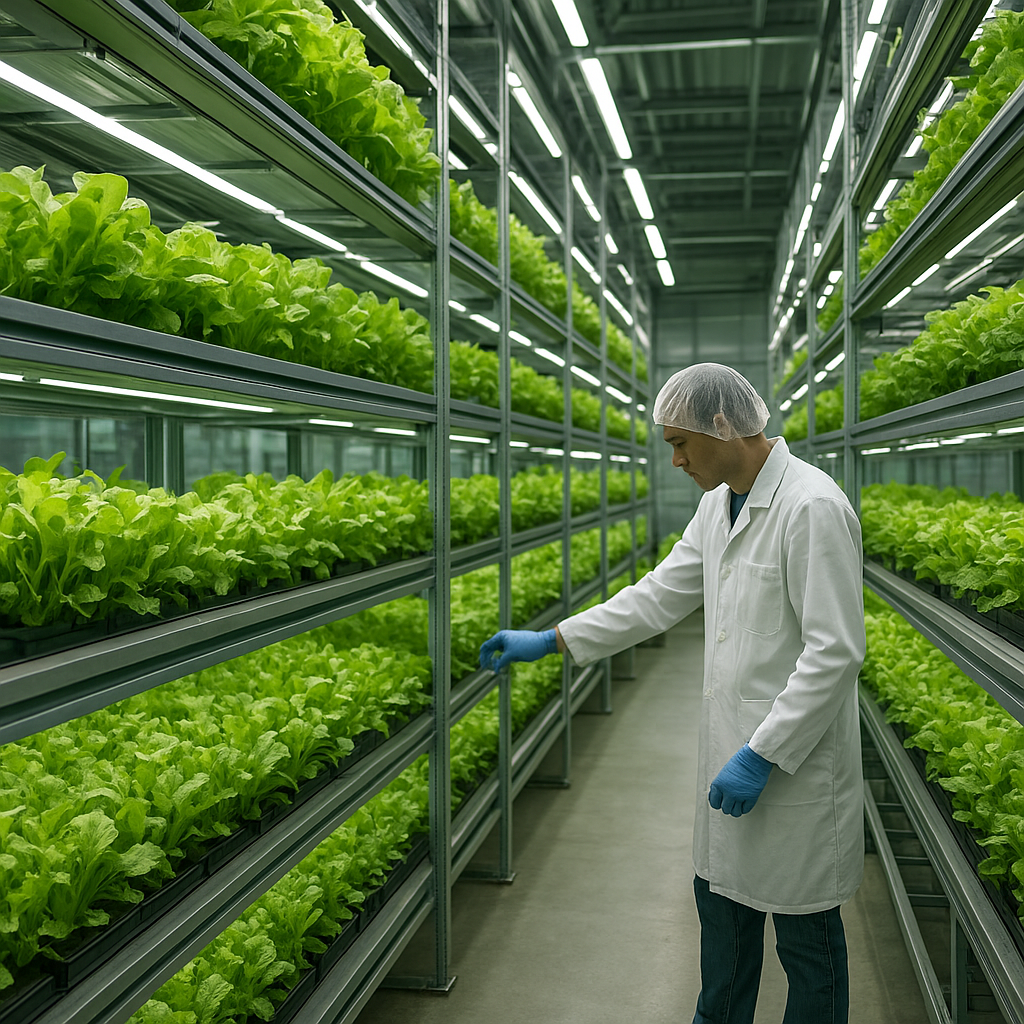
Vertical farming represents a transformative approach to cultivating crops by stacking plant beds in controlled environments, often within urban settings. This innovative method addresses growing concerns about land scarcity, water usage, and food security by integrating advanced technology and precise resource management. By reimagining traditional agricultural practices, vertical farming offers a pathway toward more resilient and high-yield food production systems.
Understanding the Foundations of Vertical Farming
At its core, vertical farming leverages vertically stacked layers to maximize space utilization. By incorporating LED lighting systems, climate-controlled chambers, and soilless cultivation methods such as hydroponics and aeroponics, growers can maintain optimal conditions for plant growth year-round. Unlike conventional fields, these indoor farms are protected from extreme weather events, pests, and soil-borne diseases.
- Space Optimization: Multi-tiered racks enable higher density planting per square foot.
- Controlled Environment: Temperature, humidity, and light spectra are finely tuned.
- Reduced Water Consumption: Closed-loop systems recycle up to 95% of water.
- Year-Round Production: Seasonal limitations are virtually eliminated.
By centralizing operations in urban centers, vertical farms can deliver fresh produce within hours of harvest, significantly reducing carbon emissions associated with traditional distribution networks.
Technological Innovations Driving Growth
Continuous advancements in automation, data analytics, and biotechnology are accelerating the adoption of vertical farming. Key innovations include:
- Automation and Robotics: Automated planting, harvesting, and packaging systems streamline labor-intensive tasks.
- Internet of Things (IoT) Sensors: Real-time monitoring of moisture, pH, and nutrient levels ensures consistent quality.
- Machine Learning: Predictive algorithms optimize environmental parameters for each crop variety.
- LED Lighting Customization: Tunable light wavelengths improve photosynthesis efficiency and flavor profiles.
- Biostimulants and Microbial Inoculants: Beneficial microorganisms boost plant immunity and health.
These technologies collectively enhance operational efficiency, reduce labor costs, and enable precise control over every stage of the growth cycle. Startups and established agri-business firms alike are investing heavily in research and development to scale vertical farming systems to commercial viability.
Practical Tips for Successful Vertical Farming
Implementing a productive vertical farm requires careful planning and attention to detail. Below are essential tips for both new entrants and experienced growers:
Site Selection and Infrastructure
- Choose a location with reliable access to electricity and water. Energy-efficient design lowers operational expenses.
- Evaluate building orientation and structural load capacities to support multi-tiered installations.
- Incorporate modular panels for rapid expansion or reconfiguration of growing areas.
Crop Selection and Rotation
- Start with fast-growing leafy greens and herbs to achieve quick returns on investment.
- Experiment with high-value specialty crops like microgreens, edible flowers, or medicinal herbs.
- Rotate crops periodically to maintain nutrient balance and minimize disease pressure.
Water and Nutrient Management
- Implement recirculating hydroponic or aeroponic systems to recycle up to 95% of water.
- Monitor electrical conductivity (EC) and pH daily to ensure accurate nutrient delivery.
- Adjust nutrient formulations based on growth stages: higher nitrogen during vegetative phase and increased potassium for flowering.
Environmental Control Strategies
- Maintain temperature ranges between 18–24 °C for leafy greens and slightly warmer for fruiting crops.
- Control relative humidity between 50–70% to reduce fungal risks while optimizing transpiration.
- Use CO₂ enrichment (800–1 200 ppm) to enhance photosynthetic rates and boost yield.
Pest and Disease Prevention
- Enforce strict biosecurity measures: sanitize tools, footwear, and entry points.
- Introduce beneficial insects like predatory mites or ladybugs as biological control agents.
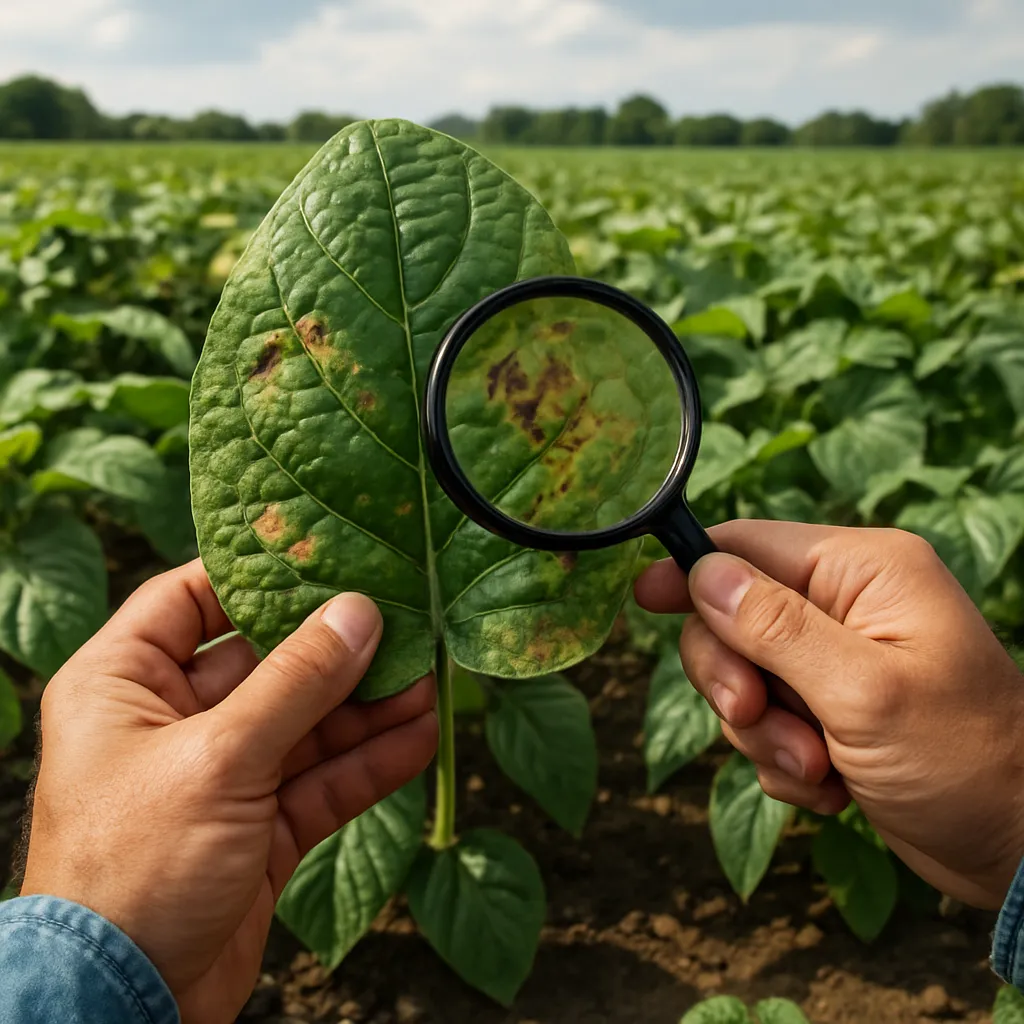
- Regularly inspect root systems and foliage for early signs of mold, mildew, or nutrient deficiencies.
Economic Viability and Scaling Strategies
To achieve commercial success, operators must balance capital expenditures with ongoing operating costs. Consider the following strategies:
Cost-Benefit Analysis
- Estimate initial investments in HVAC, lighting, and automation against projected revenue streams.
- Factor in utility rates, labor costs, and maintenance schedules for equipment longevity.
- Leverage government incentives or grants aimed at promoting sustainable agriculture.
Market Development and Branding
- Emphasize freshness, traceability, and reduced environmental impact in marketing campaigns.
- Forge partnerships with local restaurants, grocery retailers, and community-supported agriculture (CSA) programs.
- Offer educational tours or workshops to engage consumers and build brand loyalty.
Integration with Traditional Systems
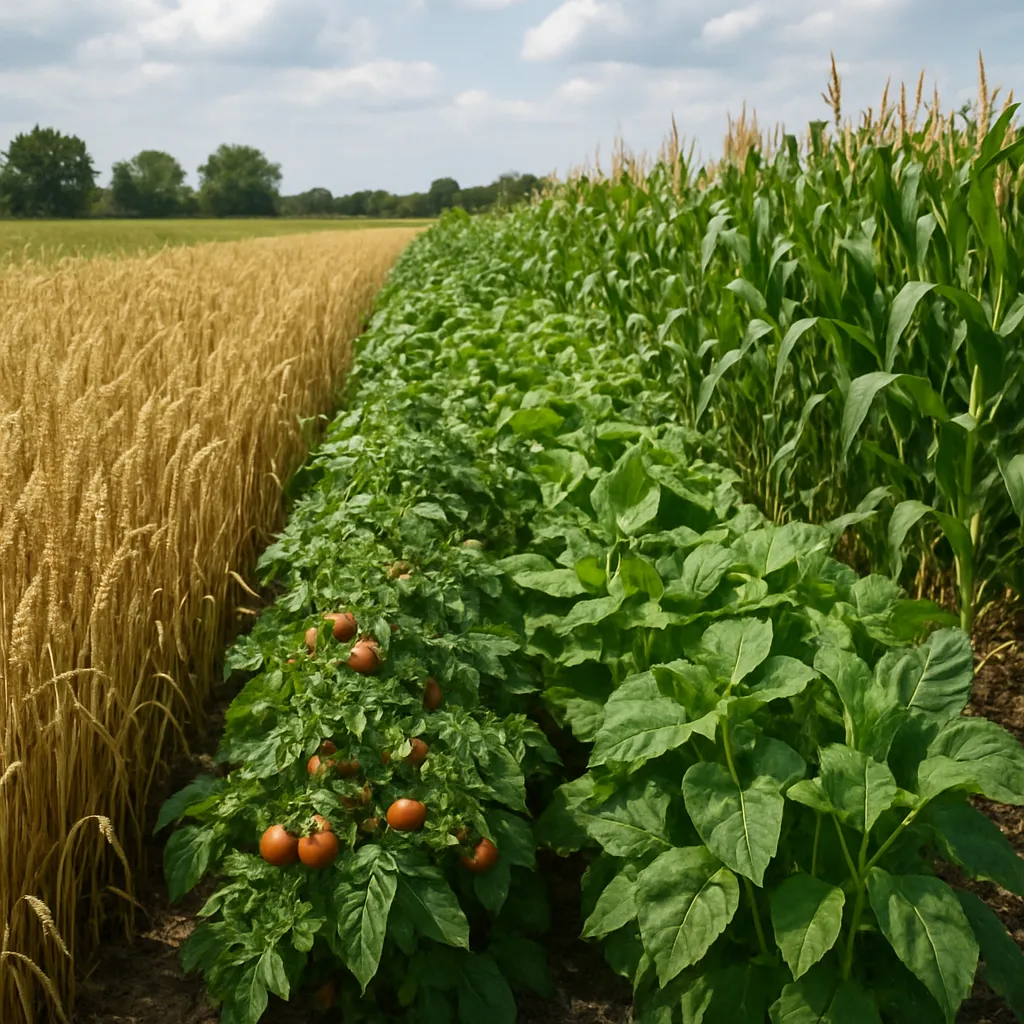
- Combine vertical farming units with greenhouse operations to diversify product offerings.
- Implement closed-loop systems that use agricultural waste for composting or biogas production.
- Explore hybrid models where outdoor fields supply seedlings or transplants to indoor facilities.
Future Trends and Emerging Challenges
As vertical farming continues to evolve, stakeholders must navigate both opportunities and obstacles:
- Scalability: Transitioning from pilot projects to large-scale facilities requires robust supply chains and standardized protocols.
- Energy Consumption: Renewable energy integration is critical to mitigate the carbon footprint of indoor lighting and climate control.
- Regulatory Frameworks: Clear guidelines for food safety, zoning, and waste management will streamline industry growth.
- Consumer Acceptance: Educating the public about indoor-grown produce can overcome perceptions of unnatural methods.
- Innovation Pace: Continuous R&D is needed to refine nutrient formulas, lighting spectra, and cultivation techniques.
By addressing these challenges and harnessing novel technologies, vertical farming is poised to become a cornerstone of future food systems, contributing to global sustainability and resilience in the face of climate change and population growth.