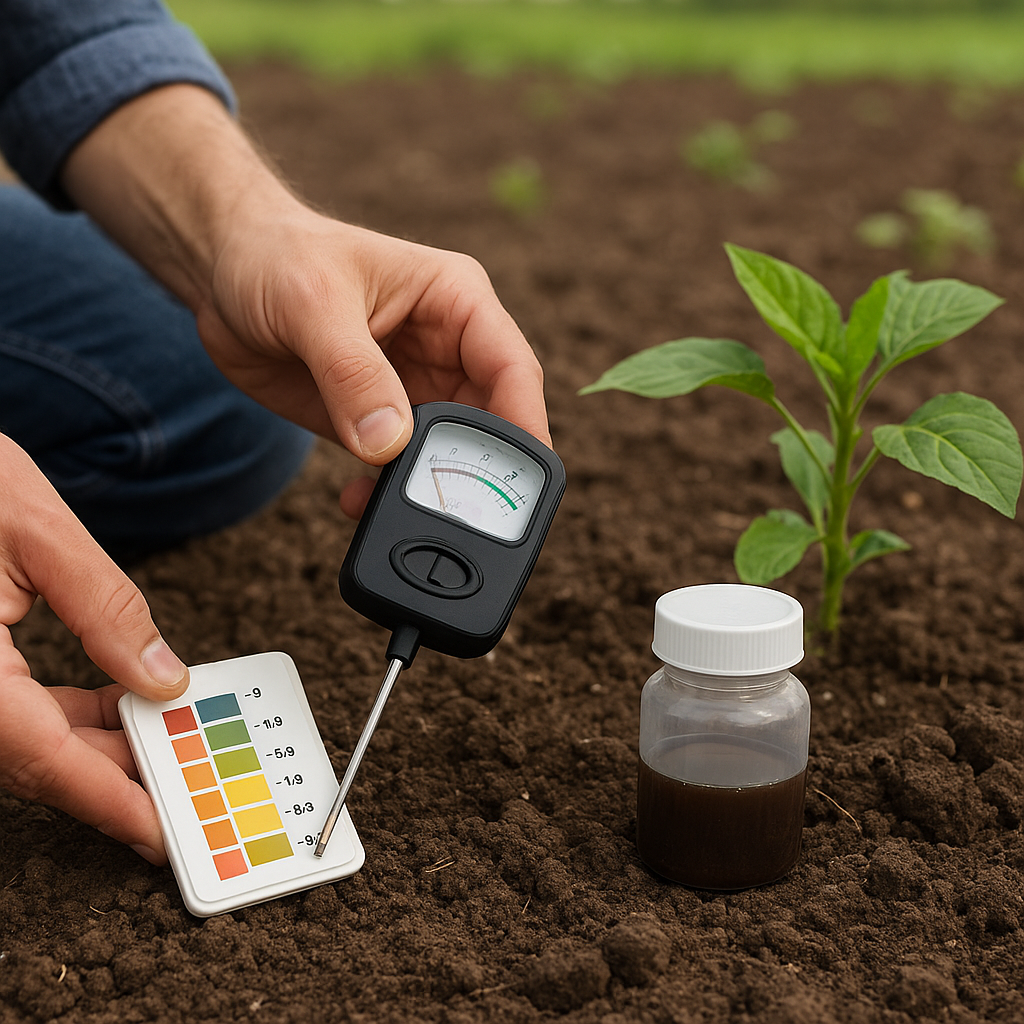
Effective management of farm soil pH levels is a cornerstone of successful crop production and sustainable agriculture. By understanding how the acidity or alkalinity of your soil influences nutrient availability, microbial activity, and overall plant health, you can implement targeted practices to maximize yield and maintain long-term soil fertility. This article explores practical tips for testing soil pH, interpreting results, and applying amendments to adjust and stabilize pH levels on your farm.
Importance of Soil pH in Agricultural Productivity
The soil pH scale ranges from 0 to 14 and measures the concentration of hydrogen ions in the soil solution. A neutral pH is 7.0, while values below 7.0 indicate acidity and values above 7.0 indicate alkalinity. Most crops thrive in a slightly acidic to neutral range (6.0–7.0), where essential nutrients are most available. When pH drifts outside this ideal zone, plants may suffer from nutrient deficiencies or toxicities, even if the soil contains adequate minerals.
- Nutrient Availability: Nutrients such as phosphorus, potassium, and magnesium become locked up in highly acidic or alkaline soils.
- Microbial Activity: Beneficial soil microbes that decompose organic matter and cycle nutrients perform best when pH is in the optimal range.
- Soil Structure: Proper pH promotes good soil aggregation and water infiltration, reducing compaction and erosion.
- Crop Health: Balanced pH helps plants resist disease and environmental stress, improving overall farm resilience.
Testing Soil pH: Methods and Best Practices
Regular monitoring of soil pH is essential for timely adjustments. Below are the most reliable testing methods and guidelines to ensure accurate readings.
1. Field Test Kits
Field test kits are affordable and easy to use, making them a popular choice for quick assessments:
- Collect soil samples from several locations across the field, at depths of 6–8 inches.
- Mix samples in a clean container to create a composite sample.
- Add distilled water, then a pH indicator solution or test strip.
- Compare the resulting color change to the kit’s chart to estimate pH.
While convenient, these kits can have a margin of error. Use them as a preliminary guide rather than a definitive source.
2. Electronic pH Meters
Electronic pH meters offer greater precision and faster results:
- Calibrate the meter regularly with standard buffer solutions (pH 4, 7, and 10).
- Insert the probe into the moistened soil sample, ensuring good contact.
- Wait for the reading to stabilize, then record the value.
Digital meters require careful maintenance to prevent probe fouling. Clean the tip after each use and store it according to manufacturer instructions.
3. Laboratory Analysis
For the highest accuracy, send samples to an accredited soil testing laboratory. Labs use standardized procedures such as the saturated paste extract or calcium chloride methods, providing detailed reports on pH and nutrient levels. Though more expensive, lab tests help you develop a comprehensive soil management plan.
Strategies to Adjust and Maintain Optimal pH
Once you’ve identified pH imbalances, choose the appropriate amendment based on soil type, crop requirements, and environmental conditions.
1. Liming Acidic Soils
Limestone products neutralize acidity by raising soil pH. Common liming materials include agricultural lime (calcium carbonate) and dolomitic lime (calcium magnesium carbonate):
- Application Rate: Follow soil test recommendations; typical rates range from 1 to 4 tons per acre.
- Particle Size: Finely ground lime reacts faster but may be more expensive; coarser particles provide slower, sustained pH correction.
- Timing: Apply lime several months before planting to allow full reaction with the soil.
2. Acidifying Alkaline Soils
In regions with naturally high pH, acidifying agents can lower alkalinity:
- Elemental Sulfur: Soil bacteria oxidize sulfur to sulfuric acid, reducing pH over weeks or months.
- Sulfuric Acid or Sulfate Salts: Applied in solution, these provide quicker results but require careful handling.
- Crop Rotation: Include acid-loving plants like blueberries or oats, which can help maintain lower pH levels.
Always monitor soil pH regularly to avoid overcorrection, which can harm crops.
3. Organic Matter and Compost
Incorporating well-decomposed compost and organic amendments supports stable pH by buffering soil changes and fostering healthy microbial populations:
- Apply 1–3 inches of compost annually to the topsoil.
- Use green manures (legumes, cover crops) to add nitrogen and organic acids.
- Maintain crop residues on the surface to promote moisture retention and continued organic decomposition.
Healthy organic matter improves cation exchange capacity, helping soil resist abrupt pH swings.
4. Foliar and Fertilizer Adjustments
When rapid pH correction in the root zone is necessary, consider targeted fertilizer practices:
- Ammonium-based Nitrogen: Sources like ammonium sulfate acidify the rhizosphere over time.
- Nitrate-based Nitrogen: Materials such as calcium nitrate tend to raise pH slightly.
- Micronutrient Sprays: Chelated forms ensure availability in unbalanced pH soils.
Practical Tips for Ongoing Soil pH Management
- Test soil pH at least once every two years, or annually for intensive cropping systems.
- Sample fields in spring and fall to track seasonal pH fluctuations.
- Zone management: adjust amendments based on field variability using grid or zone sampling.
- Integrate pH management with broader soil health practices, including erosion control and nutrient management.
- Keep detailed records of test results, amendment rates, and crop responses to refine your approach each season.
Proactive soil pH management empowers farmers to optimize nutrient cycling, boost crop performance, and safeguard soil resources for future generations. By implementing precise testing methods and tailored amendment strategies, you can create a balanced soil environment that supports vigorous plant growth, resilient microbial communities, and sustainable farm productivity.