Starting a **profitable** **organic** vegetable garden combines passion for **sustainable** agriculture with sound business practices. Whether you aim to supply local farmers’ markets, restaurants, or community supported agriculture (CSA) boxes, careful planning and diligent management are keys to success. This guide will walk you through essential steps—from selecting the perfect site and enriching your **soil**, to managing **pest management**, optimizing **irrigation**, and marketing your **harvest** effectively.
Site Selection and Preparation
Choosing the Right Location
Finding an ideal plot ensures your garden gets adequate sunlight, drainage, and protection from strong winds. Aim for at least six to eight hours of direct sunlight daily. Proximity to a water source and easy access for equipment or packaging operations will streamline your workflow and reduce labor costs.
Soil Testing and Improvement
Healthy **nutrients**-rich soil supports vigorous plant growth and high yields. Start by sending soil samples to a certified lab for analysis of pH, organic matter, and macro- and micronutrient levels. Based on results, amend the soil with:
- Compost to boost fertility and microbial activity
- Lime or sulfur to correct pH imbalances
- Rock minerals for trace elements like magnesium and calcium
- Well-decomposed manure for slow-release **nutrients**
Planning and Crop Selection
Selecting High-Demand Vegetables
Prioritize crops with strong market appeal and solid profit margins. Consider:
- Leafy greens (kale, lettuce, spinach) – quick turnaround and continuous harvest
- Heirloom tomatoes – premium price point for **farmers’ markets** and restaurants
- Peppers and eggplants – versatile in culinary uses and summer demand
- Root vegetables (carrots, beets, radishes) – long shelf life and storage potential
Crop Rotation and Seasonal Planning
Rotate plant families each season to reduce disease and pest pressure while maintaining balanced **soil** health. Map out a seasonal calendar that staggers plantings to ensure a continuous supply of fresh produce:
- Spring: early greens, peas, radishes
- Summer: tomatoes, cucumbers, peppers
- Fall: brassicas (broccoli, cabbage), spinach, root crops
- Winter (in mild climates): kale, garlic, cover crops
Sustainable Soil Management
Creating Rich Compost
Composting transforms organic waste into a valuable soil amendment. Combine green materials (vegetable scraps, grass clippings) with brown materials (straw, leaves) in a 2:1 ratio. Turn the pile regularly to maintain aerobic conditions and reach temperatures above 55°C (131°F), which destroy weed seeds and pathogens.
Cover Cropping and Mulching
Plant cover crops such as clover, vetch, or rye during fallow periods to prevent erosion, suppress weeds, and fix atmospheric **nitrogen**. When they reach maturity, mow and incorporate them into the soil or use as mulch to retain moisture and moderate soil temperature.
Pest and Disease Management
Natural Pest Control Techniques
Minimize chemical inputs by leveraging beneficial insects and cultural controls:
- Introduce ladybugs and lacewings to prey on aphids
- Install insect netting or row covers to block pests
- Practice companion planting (e.g., basil near tomatoes) to repel certain insects
- Handpick slugs and caterpillars during early morning rounds
Integrated Pest Management
Combine monitoring, mechanical controls, biological agents, and, if necessary, certified organic pesticides. Keep detailed logs of pest sightings, weather patterns, and treatment efficacy to refine your approach each season.
Watering and Irrigation
Efficient Water Use
Water is often the largest input cost. Reduce waste by:
- Watering in early morning or late afternoon to cut evaporation
- Grouping plants with similar moisture needs together
- Using rain barrels or ponds to capture natural runoff
Drip Irrigation Systems
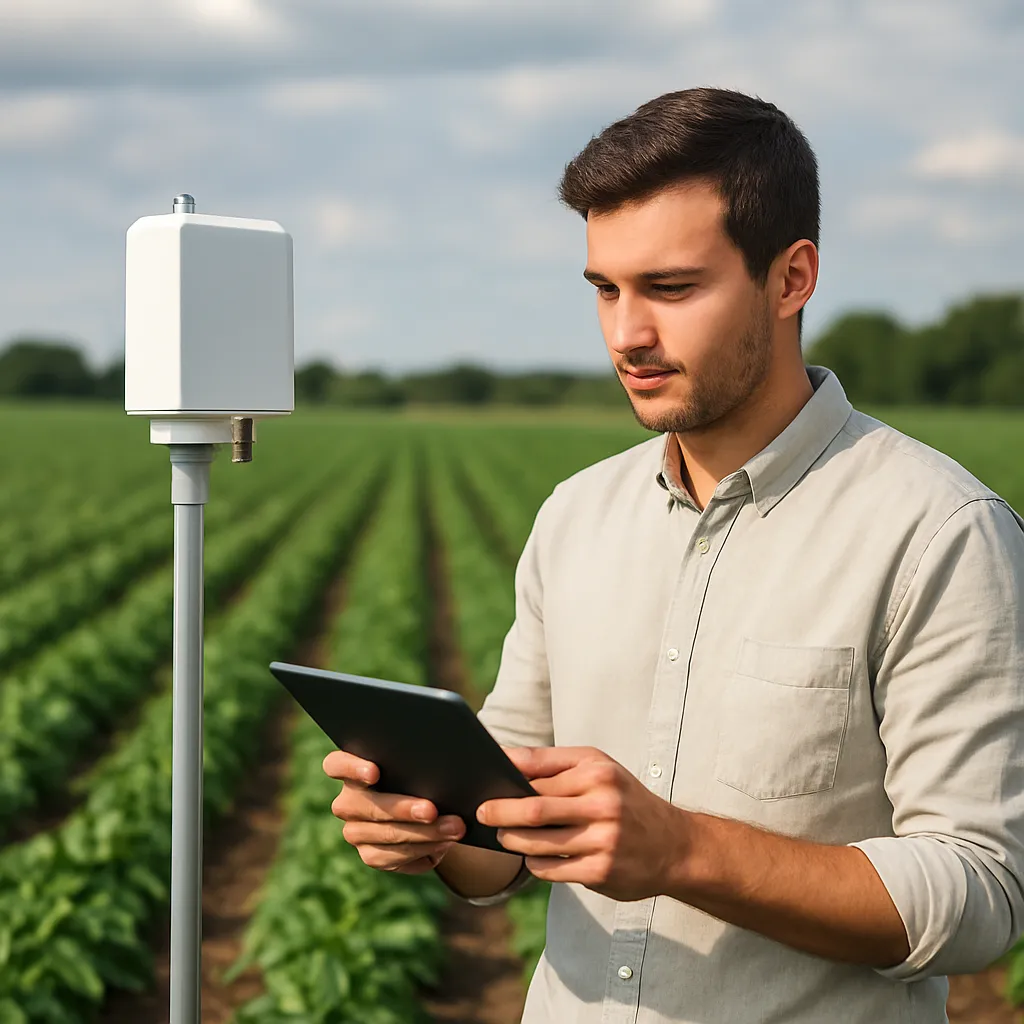
Drip lines deliver water directly to the root zone, improving uptake efficiency by up to 90%. Combined with timers and moisture sensors, this method lowers labor requirements and prevents foliage diseases caused by overhead watering.
Harvesting and Marketing Strategies
Harvesting at Peak Freshness
Timing is crucial. Harvest early-morning droplets still on leaves to maximize turgor and shelf life. Use clean, sanitized tools to cut produce and immediately cool crops in shaded areas or cold storage to lock in flavor and quality.
Direct Marketing to Consumers
Engaging directly with buyers can elevate your **profitability**. Options include:
- Farmers’ markets – build a loyal customer base and premium pricing
- CSA subscriptions – guaranteed revenue and advance capital
- Local restaurants – offer specialty heirlooms and microgreens
- Online sales – home delivery or pick-up stations for convenience