Maintaining fertile land and preventing soil degradation are essential goals for any farmer or land steward. A strategic combination of physical methods, biological practices, and careful planning can significantly reduce the risks of erosion, enhance moisture retention, and promote long-term sustainability in agricultural operations.
Understanding Soil Erosion and Its Impact
Soil erosion occurs when water, wind, or other forces remove the top layer of land, carrying away valuable organic matter and nutrients. This process not only reduces crop yields over time but also harms nearby waterways through sedimentation. Key factors influencing erosion include:
- Rainfall intensity and frequency
- Soil texture and structure
- Slope gradient and length
- Vegetative cover
- Land management practices
When topsoil is lost, the soil’s capacity to hold water and air diminishes, leading to reduced plant growth and increased runoff. Over time, fields become less productive, and farmers may face higher input costs for fertilizers and soil amendments. Protecting this precious top layer is therefore a cornerstone of soil health management.
Implementing Physical Barriers and Landscaping Practices
Physical interventions can slow down the movement of water and wind across the land surface. These techniques are especially critical on steeper slopes and in regions prone to heavy rainfall:
- Contour Farming: Planting rows along the natural contours of the landscape reduces runoff velocity and promotes water infiltration.
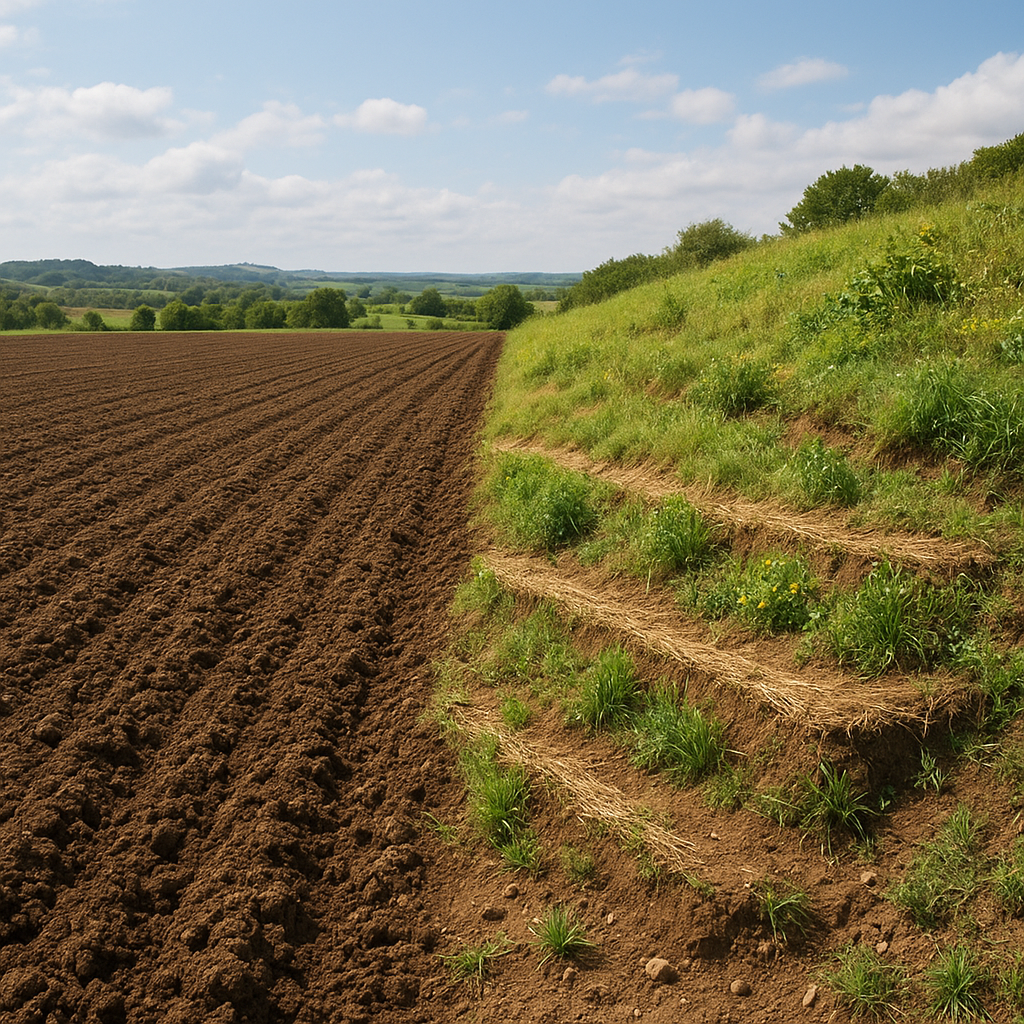
- Terracing: Constructing level platforms on slopes traps water and soil, preventing rapid downhill flow.
- Grass Waterways: Installing vegetated channels to direct excess water away in a controlled manner.
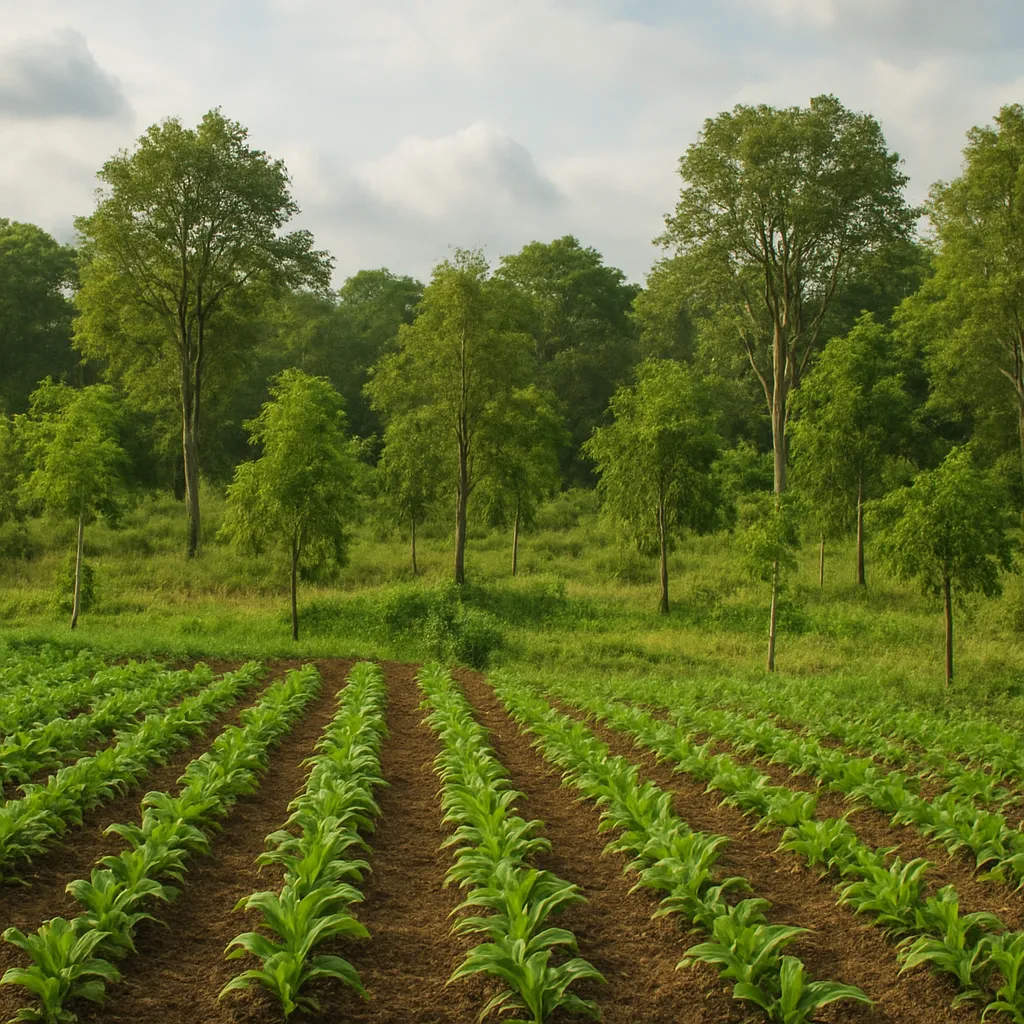
- Windbreaks and Shelterbelts: Rows of trees or shrubs planted perpendicular to prevailing winds can interrupt wind flow and protect loose soil.
Each approach should be tailored to local topography and climate conditions. For instance, narrow terraces may suffice on gentle slopes, whereas steeper terrain demands more robust terrace designs. Integrating physical structures with vegetative cover amplifies protection and adds ecological benefits.
Enhancing Soil Structure with Organic Amendments
Increasing the organic content of soil improves its aggregate stability and water-holding capacity. The incorporation of organic materials also feeds soil microbes, which in turn create a more resilient structure:
- Compost Application: Regular spreading of well-matured compost introduces humus, enhancing pore space and nutrient availability.
- Cover Crops: Planting species such as legumes or grasses during fallow periods protects the soil from direct raindrop impact and adds biomass when terminated.
- Mulching: A layer of straw or wood chips shields the surface from erosion and moderates soil temperature.
- Green Manure Crops: Growing and then incorporating plants like clover or vetch directly into the soil to boost fertility.
These practices not only reduce erosion but foster a thriving ecosystem of earthworms, fungi, and beneficial bacteria. By focusing on building biodiversity and organic content, farmers create a virtuous cycle of improved soil function.
Adopting Sustainable Crop Rotations and Conservation Tillage
Diverse crop rotations and reduced soil disturbance are pivotal in maintaining structure and preventing erosion:
- Crop Rotation: Alternating deep-rooted and shallow-rooted plants breaks pest cycles and improves soil aggregation.
- Conservation Tillage: Limiting soil inversion minimizes surface disturbance, leaving crop residues on the field to cushion rain impact.
- No-Till Farming: Direct seeding into undisturbed soil conserves moisture and fosters a stable pore network.
Well-planned rotations might include cereals, legumes, and cover crops in sequence. This approach optimizes nutrient cycling and strengthens the organic matrix binding soil particles together. Over time, such strategies yield a firmer structure that resists erosive forces.
Monitoring, Community Engagement, and Policy Support
Regular assessment and collaborative efforts amplify erosion control success:
- Soil Monitoring: Periodically test soil organic matter, pH, and nutrient levels to guide adaptive management.
- Visual Inspections: Check for rills, gullies, and sediment buildup after major storm events.
- Community Programs: Share experiences with neighboring farms and participate in watershed councils to coordinate conservation efforts.
- Policy Incentives: Leverage cost-share programs and grants that encourage adoption of best management practices.
By pooling knowledge and resources, landowners can implement large-scale erosion control measures that benefit entire landscapes. Government and non-profit organizations often provide technical assistance, helping integrate conservation techniques with modern farm operations.