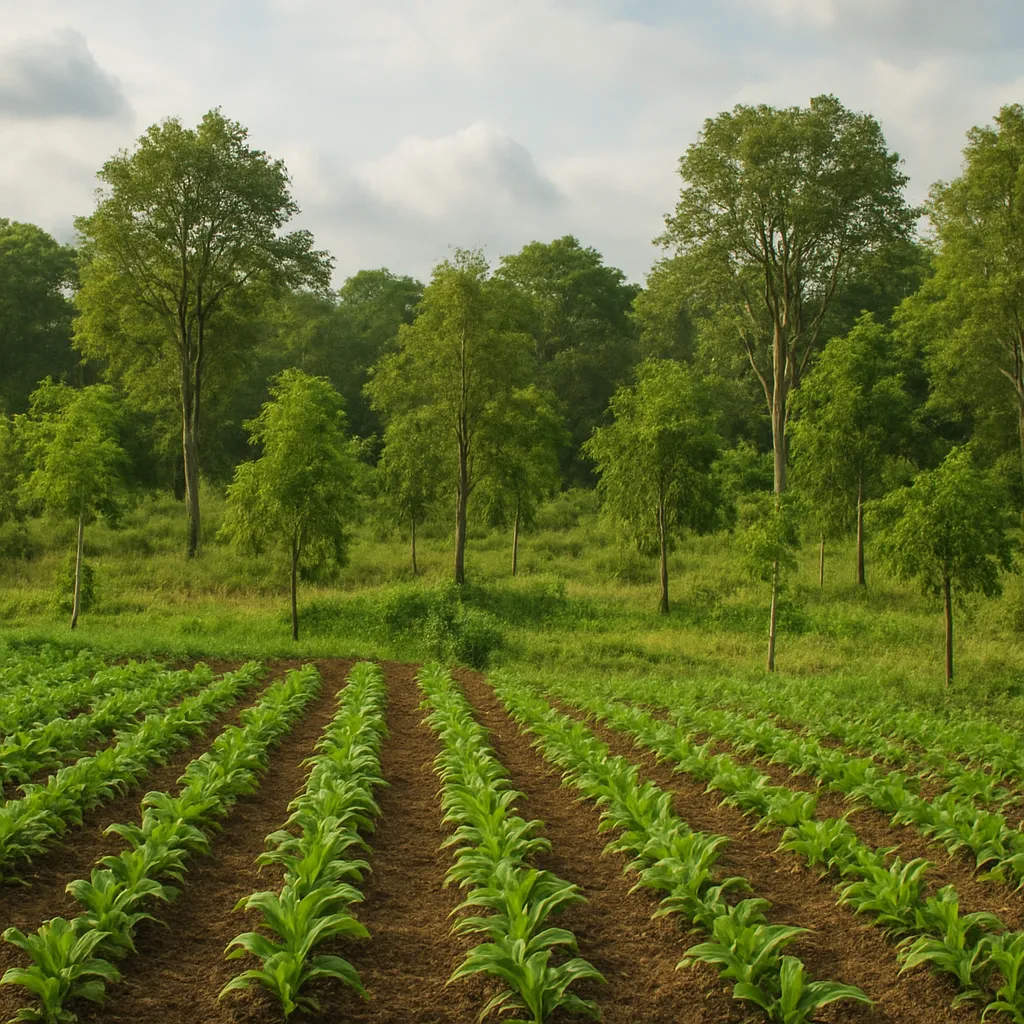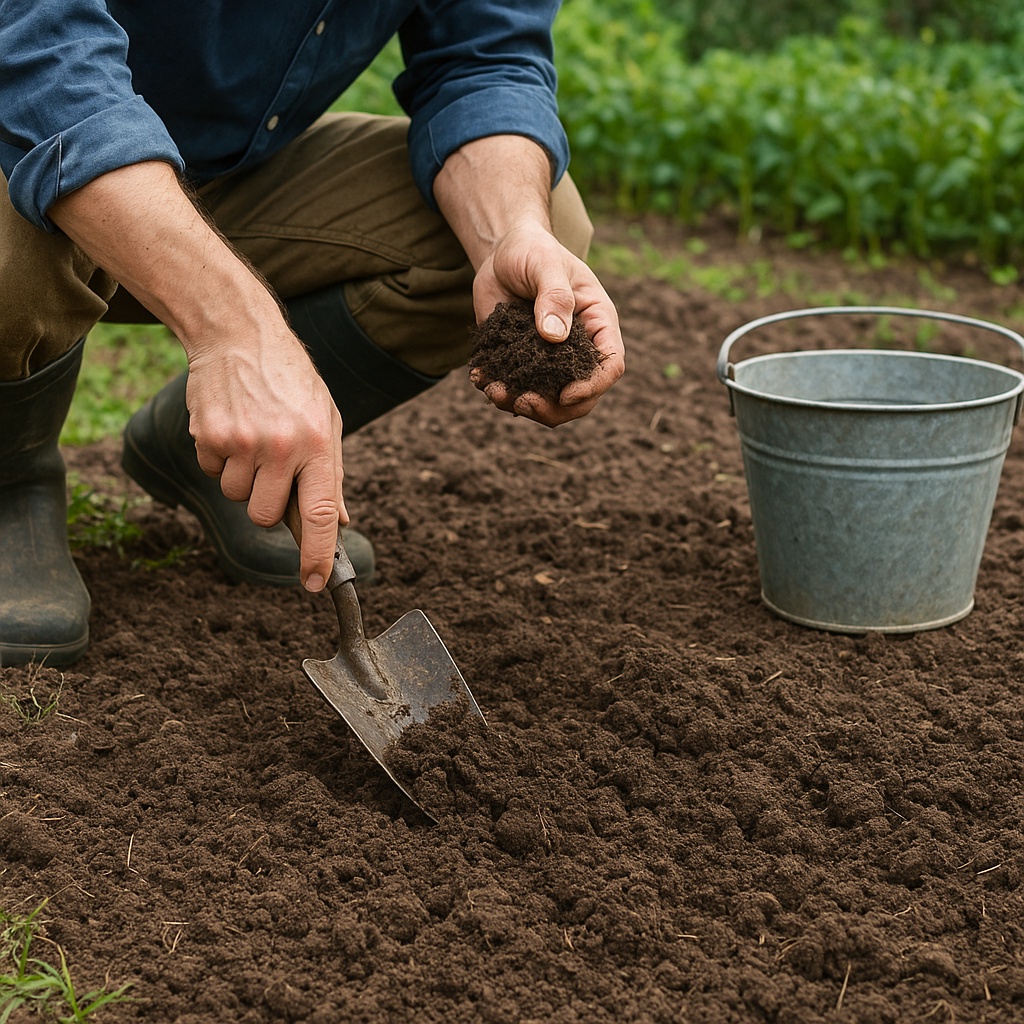
Proper soil preparation lays the foundation for a thriving garden or farm. By understanding your soil’s needs and addressing key factors like fertility, pH, and structure, you can ensure healthy root development and robust harvests. The practices below will guide you through testing, amending, and nurturing your ground before the planting season begins.
Understanding Soil Composition and Testing
Before you begin any ground interventions, a thorough evaluation of soil composition is essential. Soil is a complex blend of minerals, organic matter, water, and air. Its capacity to support plant growth depends on balanced nutrients, proper acidity, and adequate drainage.
Soil Testing Methods
- Home Test Kits: Inexpensive and user-friendly, providing immediate results on pH and basic nutrient levels.
- Professional Laboratory Analysis: Offers detailed breakdowns of macro and micronutrients, organic content, and potential contaminants.
- Field Observation: Visual clues like soil color, texture, and plant health indicators can suggest nutrient deficiencies or compaction issues.
Analyzing Soil pH and Texture
Soil acidity influences nutrient availability and microbial activity. Most vegetables thrive in a pH range of 6.0 to 7.0. Clay soils tend to hold water but may become compacted, while sandy soils drain quickly and may lack moisture retention. A balanced loam offers the best root environment.
Implementing Organic Amendments and Nutrient Management
Choosing the right amendments can restore depleted soils and introduce vital nutrients. Organic inputs also support beneficial lifeforms, improving long-term fertility.
Adding Compost and Manure
- Compost: Rich in organic matter and microorganisms, compost enhances structure and water-holding capacity. Apply a 2–3 inch layer and incorporate it into the top 6 inches of soil.
- Well-Rotted Manure: Provides nitrogen, phosphorus, and potassium. Avoid fresh manure to prevent seedling burn and weed introduction.
- Leaf Mold and Green Manures: Shredded leaves or chopped cover crops can be tilled in to release nutrients and foster microorganisms.
Utilizing Cover Crops and Crop Rotation
Cover crops such as legumes (clover, vetch) fix atmospheric nitrogen, while grasses (rye, oats) build organic matter. Plant cover crops in off-season months to prevent erosion and suppress weeds. Follow a strategic crop rotation schedule to minimize disease pressure and balance nutrient extraction.
Enhancing Structure with Tilling, Aeration, and Mulching
Effective soil structure promotes root penetration and air exchange. Overly compacted ground can stunt growth, while loose, well-aggregated soil boosts water infiltration and nutrient uptake.
Tilling Techniques
Minimal or no-till approaches protect soil biology but may require targeted intervention in compacted zones. When tilling:
- Limit depth to avoid disrupting deeper soil layers.
- Time tilling for a dry window—working soil when slightly moist prevents clumping and excessive compaction.
- Alternatives like broadforking can loosen soil while preserving microbe networks.
Aeration and Drainage
Compacted soils hinder root growth and reduce oxygen levels. Mechanical aerators or manual forks create air channels. For heavy clay areas, consider installing raised beds or drip lines that reduce surface runoff and improve drainage.
Mulching to Retain Moisture
Applying an organic mulch layer—straw, wood chips, or grass clippings—helps maintain consistent soil temperature, conserve moisture, and suppress weeds. Spread 2–4 inches around seedlings, keeping mulch a few inches away from plant stems to prevent rot.
Fostering a Healthy Soil Ecosystem
Vibrant soil relies on a thriving community of organisms that break down organic matter, cycle nutrients, and protect plant roots.
- Earthworms: Their burrows enhance aeration and organic turnover. Encourage them by avoiding harsh chemicals and maintaining organic mulch.
- Beneficial Nematodes and Bacteria: Support natural pest control and nutrient cycling. Compost teas and microbial inoculants can boost beneficial populations.
- Mycorrhizal Fungi: Form symbiotic relationships with roots, extending nutrient uptake zones. Inoculate transplant roots or mix into soil amendments.
Monitoring and Adjustments During Planting Season
Soil preparation is not a one-time task. Regular observation and timely interventions will safeguard soil health throughout the growing period.
Periodic Testing and Observation
- Quick pH checks mid-season to catch swings caused by heavy rainfall or excessive fertilizer use.
- Visual cues: yellowing leaves or stunted growth can signal nutrient imbalances.
- Soil moisture probes ensure optimal irrigation scheduling and avoid water stress.
Supplemental Nutrient Applications
Side-dressing with organic fertilizers—bone meal for phosphorus, kelp meal for trace minerals—can reinvigorate plants during critical growth phases. Foliar sprays provide rapid micronutrient uptake if deficiencies appear.
Weed and Pest Management
Maintaining mulch layers and cover crops will naturally suppress weeds and support predators that control insect pests. Rotate crops each season to break pest and disease cycles without relying on synthetic chemicals.
Conclusion
By systematically testing, amending, and nurturing your soil, you establish a fertile environment that supports strong root systems and abundant yields. Employing organic practices such as compost addition, cover cropping, minimal tillage, and fostering a robust soil ecosystem ensures sustainable productivity year after year. Careful monitoring and timely adjustments during the planting season will keep your fields in prime condition, setting the stage for healthy, resilient crops.