Greenhouse agriculture offers an opportunity to cultivate crops year-round under controlled conditions, but **greenhouse** environments can also become hotspots for persistent pest problems. Effective management requires a combination of preventive practices, timely interventions, and sustainable tactics. This article explores practical tips and strategies to help growers maintain healthy plants and minimize pest damage in greenhouse settings.
Integrated Pest Management Strategies
Embracing an integrated pest management (IPM) approach is essential for long-term success. IPM combines various tactics—cultural, biological, and chemical—to keep pest populations below damaging levels while reducing reliance on harsh chemicals.
Monitoring and Early Detection
Regular scouting and record-keeping form the cornerstone of any IPM plan. Early detection allows growers to address minor infestations before they escalate.
- Inspect foliage and soil weekly, focusing on undersides of leaves and new shoots.
- Use yellow sticky traps to capture flying pests such as thrips and whiteflies.
- Maintain detailed logs of pest sightings, environmental conditions, and treatment outcomes.
Consistent monitoring helps identify trends and trigger timely interventions, ultimately reducing crop losses.
Biological Controls and Beneficial Insects
Introducing natural enemies is a cornerstone of sustainable pest management. Predators, parasitoids, and pathogens can keep harmful populations in check without adverse environmental impact.
- Release predatory mites (e.g., Phytoseiulus persimilis) to target spider mites.
- Deploy parasitic wasps (e.g., Encarsia formosa) against whiteflies.
- Inoculate soil with entomopathogenic nematodes to suppress soil-dwelling grubs and fungus gnat larvae.
Effective use of beneficial insects and biological controls promotes a balanced ecosystem and lowers the need for chemical inputs.
Environmental and Cultural Practices
Optimizing greenhouse conditions and cultural practices can significantly reduce pest pressure by creating an unfavorable environment for invaders and strengthening plant health.
Sanitation and Hygiene
Maintaining strict hygiene standards helps eliminate breeding sites and food sources for pests.
- Sanitize tools, benches, and containers between uses.
- Remove plant debris, weeds, and old pots that can harbor eggs or larvae.
- Use clean, sterilized growing media to prevent introduction of soil-borne pests.
Good sanitation practices interrupt pest life cycles and limit population buildup over time.
Resistant Cultivars and Crop Rotation
Selecting pest-resistant plant varieties and rotating crops can disrupt pest establishment and reduce recurring infestations.
- Choose cultivars bred for resistance against common greenhouse pests such as aphids and leaf miners.
- Implement crop rotation schedules, alternating plant families to deprive specialized pests of their preferred hosts.
- Intercrop with trap crops or companion plants that repel pests or attract beneficials.
Utilizing resistant varieties and strategic crop rotation strengthens overall greenhouse resilience.
Chemical and Physical Control Measures
While cultural and biological tactics are foundational, there are scenarios where targeted chemical or physical interventions are necessary. The key is selecting the least disruptive options and applying them judiciously.
Selective Chemical Use
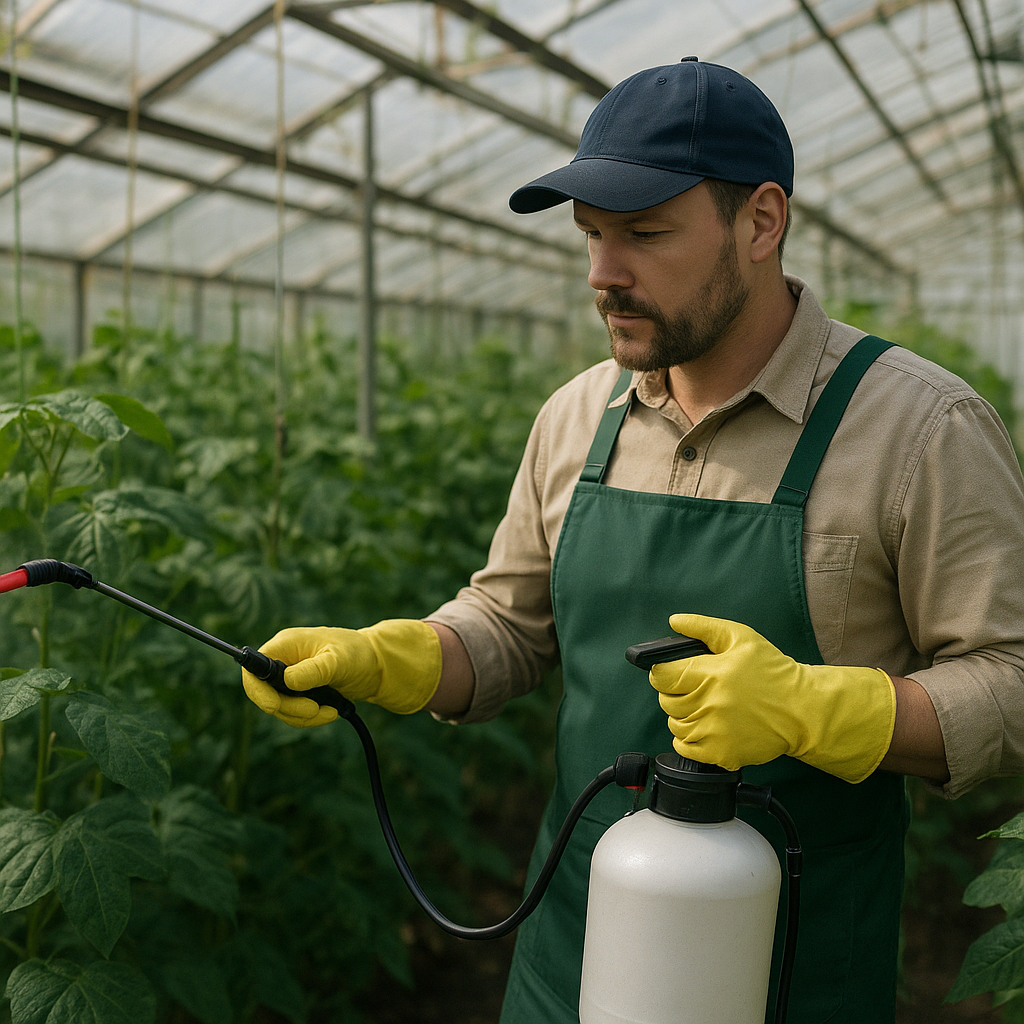
When pest outbreaks threaten yield or quality, spot treatments with selective pesticides can be integrated into an IPM program.
- Choose selective products that target specific pests while sparing beneficial organisms.
- Rotate active ingredients to prevent pest resistance development.
- Follow label instructions precisely, paying attention to pre-harvest intervals and safety precautions.
Responsible use of chemical pesticides ensures effective control while minimizing negative impacts on the environment and beneficial fauna.
Physical Barriers and Traps
Mechanical barriers and traps provide non-chemical alternatives for controlling various greenhouse pests.
- Install insect-proof screens on vents and doors to prevent newcomer infestations.
- Wrap sticky bands around plant stems to catch crawling pests like fungus gnats.
- Apply reflective mulches to deter aphids and whiteflies by confusing their host-finding behavior.
These physical interventions complement other strategies, reducing pest entry and spread without chemical residues.
By combining **environmental factors**, proactive scouting, and a balanced mix of **integrated pest management** tactics, growers can maintain thriving greenhouse crops. Implementing these measures not only safeguards plant health but also promotes a more sustainable and productive agricultural system.