Effective agricultural production hinges on optimizing the vital process of pollination. By fostering robust ecosystems and applying targeted techniques, growers can significantly boost crop yields and ensure long-term sustainability. The following sections delve into practical methods, ecological principles, and innovative approaches to elevate pollination success across diverse farming systems.
Understanding Pollination’s Role in Crop Production
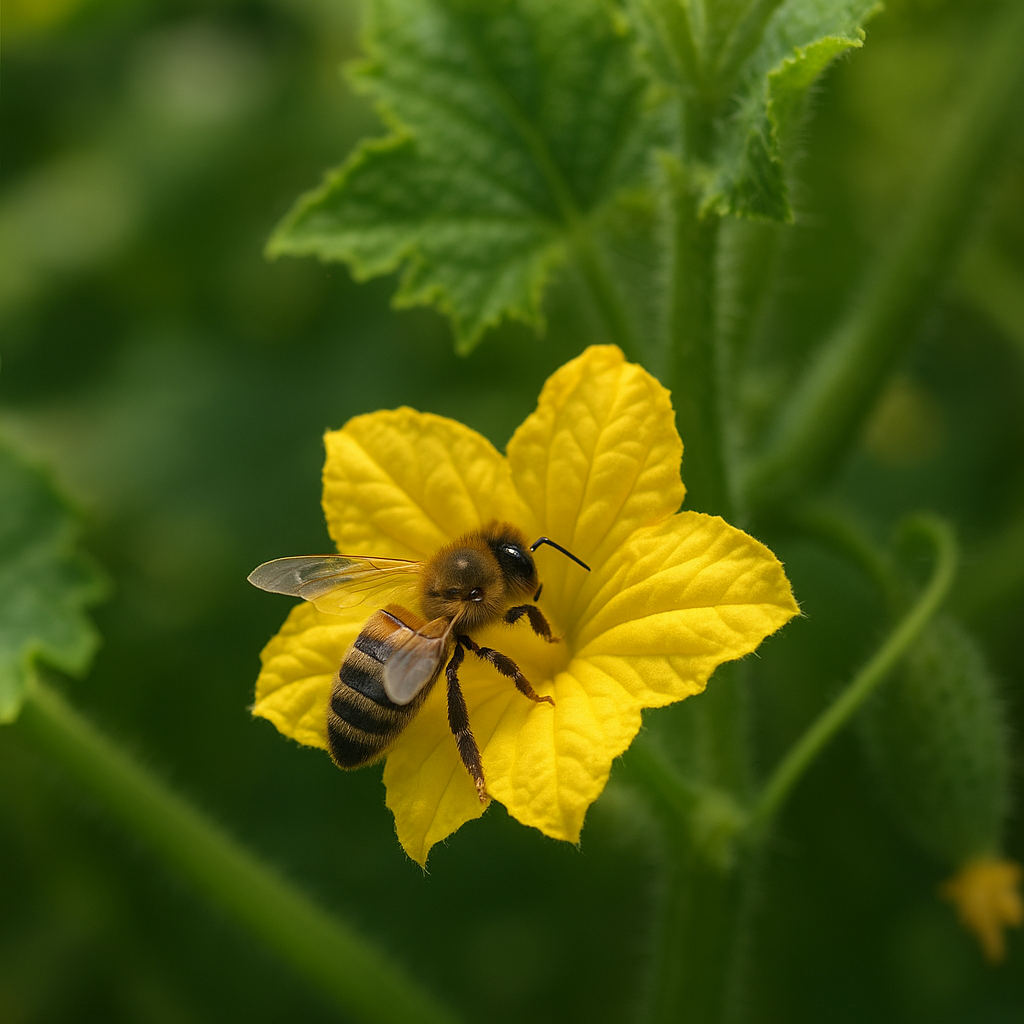
At its core, pollination involves the transfer of pollen from male to female flower parts, enabling fruit and seed formation. While some crops rely on wind or self-pollination, many high-value fruits, vegetables, nuts, and legumes depend on animal pollinators—particularly bees, butterflies, and other insects. Proper management of these agents can translate into larger fruits, uniform ripening, and enhanced nutritional qualities.
Key Pollinator Groups
- Honeybees (Apis mellifera): Widely managed, excellent for orchard and field crops.
- Bumblebees (Bombus spp.): Adaptable to cooler climates and greenhouses.
- Solitary bees (e.g., Osmia, Megachile): Efficient at certain crop flowers due to buzz-pollination.
- Non-bee insects (hoverflies, butterflies, beetles): Supplementary role, effective in mixed habitats.
Factors Affecting Pollination Efficiency
- Flower morphology and bloom timing.
- Weather conditions: temperature, wind speed, rainfall.
- Availability of nectar and pollen resources.
- Landscape context: presence of natural habitats and floral diversity.
Enhancing Habitat for Beneficial Insects
Creating or restoring diverse environmental niches can attract and sustain a variety of pollinators. Integrating habitat features throughout the farm builds ecological resilience and supports year-round resource availability.
Wildflower Strips and Hedgerows
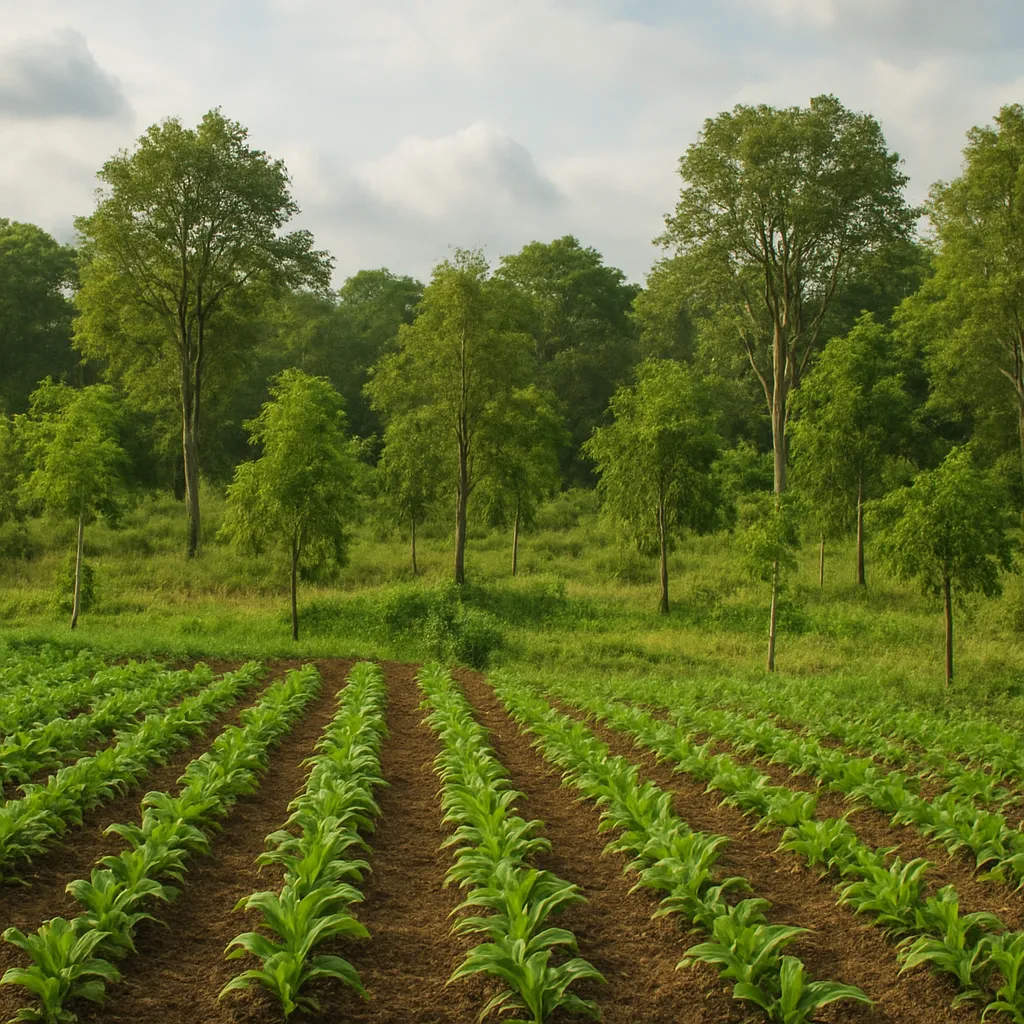
Planting native flower species along field margins offers continuous bloom succession. These strips supply essential nectar and pollen during crop off-seasons. Dense hedgerows and shelterbelts also serve as windbreaks and nesting sites for ground and stem-nesting bees.
Multilayered Planting Systems
- Understory herbs: chamomile, clover or vetch to attract ground-nesters.
- Shrubs: bird-friendly berry- and flower-producing species that bloom before or after the main crop.
- Tall trees: early-blooming willow or alder supports spring pollinators emerging from hibernation.
Providing Water and Nesting Resources
Small water features or damp sand patches facilitate hydration and mud resources for mason bees. Leaving patches of bare soil or installing bee hotels helps solitary species establish nesting brood chambers.
Implementing Pollination Strategies in the Field
Beyond habitat enhancement, adopting strategic planting and temporal coordination maximizes pollinator activity when crops are in bloom.
Companion Planting and Intercropping
- Mixing fast- and slow-blooming species ensures a continuous floral buffet.
- Ally plants like borage and phacelia act as magnet species that draw pollinators toward adjacent crops.
- Diversifying row patterns and crop heights reduces foraging distances.
Crop Rotation and Timing
Rotating pollinator-attractive legumes with high-value fruit crops can sustain population levels. Adjusting planting dates to coincide with peak pollinator emergence boosts biodiversity and synchronizes resource supply.
Hive Placement and Density
Distribute managed bee hives uniformly at orchard or field edges, maintaining recommended densities (e.g., 2–4 hives per acre for many fruit crops). Shift hives periodically to underserved areas to balance visitation rates.
Advanced Techniques and Technological Solutions
Innovation in agricultural technology offers new avenues to monitor, manage, and augment pollination services.
Remote Sensing and Monitoring
- Acoustic sensors detect bee flight activity, allowing growers to assess visitation without disrupting hives.
- Drone-based imaging tracks bloom intensity and spatial distribution, helping pinpoint under-pollinated zones.
Supplementary Pollinator Devices
Automated buzzers or vibration tools can mimic bee buzz-pollination for tomato, pepper, and eggplant in greenhouses. These devices increase pollen shake-offs when natural pollinator access is limited.
Biotechnological Aids
Emerging pheromone lures and floral scent analogs draw pollinators toward target crops. Encapsulation of floral volatiles in slow-release matrices sustains attraction over extended periods.
Conservation and Sustainable Practices
Long-term success relies on integrating conservation principles with practical farm operations. Reducing chemical hazards and fostering ecosystem health ensures that pollinator populations remain robust and active.
Integrated Pest Management (IPM)
- Selective use of pesticides and timed applications to avoid bloom periods.
- Release of predatory insects to suppress crop pests, reducing reliance on broad-spectrum chemicals.
- Regular scouting and threshold-based interventions that protect non-target species.
Organic and Low-Input Systems
Organic fields tend to host richer pollinator assemblages due to absence of synthetic insecticides. Cover cropping and compost amendments improve soil health, indirectly benefitting plant vigor and floral reward production.
Stakeholder Collaboration and Education
Engaging local communities, extension services, and conservation organizations fosters knowledge exchange. Demonstration plots and workshops on strategies for pollinator support drive widespread adoption of best practices.