Maintaining fertile land requires a strategic approach that prioritizes long-term productivity and resilience. Improving soil organic matter (SOM) is one of the most effective ways to enhance soil structure, boost nutrient retention, and support beneficial microorganisms. By adopting proven agricultural techniques, farmers and gardeners alike can create a thriving environment that promotes water infiltration, reduces erosion, and contributes to overall long-term sustainability.
Understanding Soil Organic Matter
Soil organic matter consists of decomposed plant and animal residues, living organisms, and organic compounds in various stages of decay. It directly influences soil fertility by supplying essential nutrients such as nitrogen, phosphorus, and sulfur. Additionally, organic matter improves soil’s ability to hold moisture, reducing irrigation needs and mitigating drought stress.
- Humus: Stable, dark-colored fraction that persists in soil and enhances aggregation.
- Active fraction: Easily decomposed materials that provide rapid nutrient release.
- Living organisms: Bacteria, fungi, earthworms, and insects that drive decomposition and nutrient cycling.
Factors influencing SOM levels include climate, soil texture, previous land use, and management practices. Soils with higher clay content tend to protect organic compounds from rapid decomposition, while sandy soils often require more organic inputs to achieve similar benefits. Recognizing these parameters helps in tailoring practices to local conditions.
Key Practices to Increase Soil Organic Matter
Composting and Organic Amendments
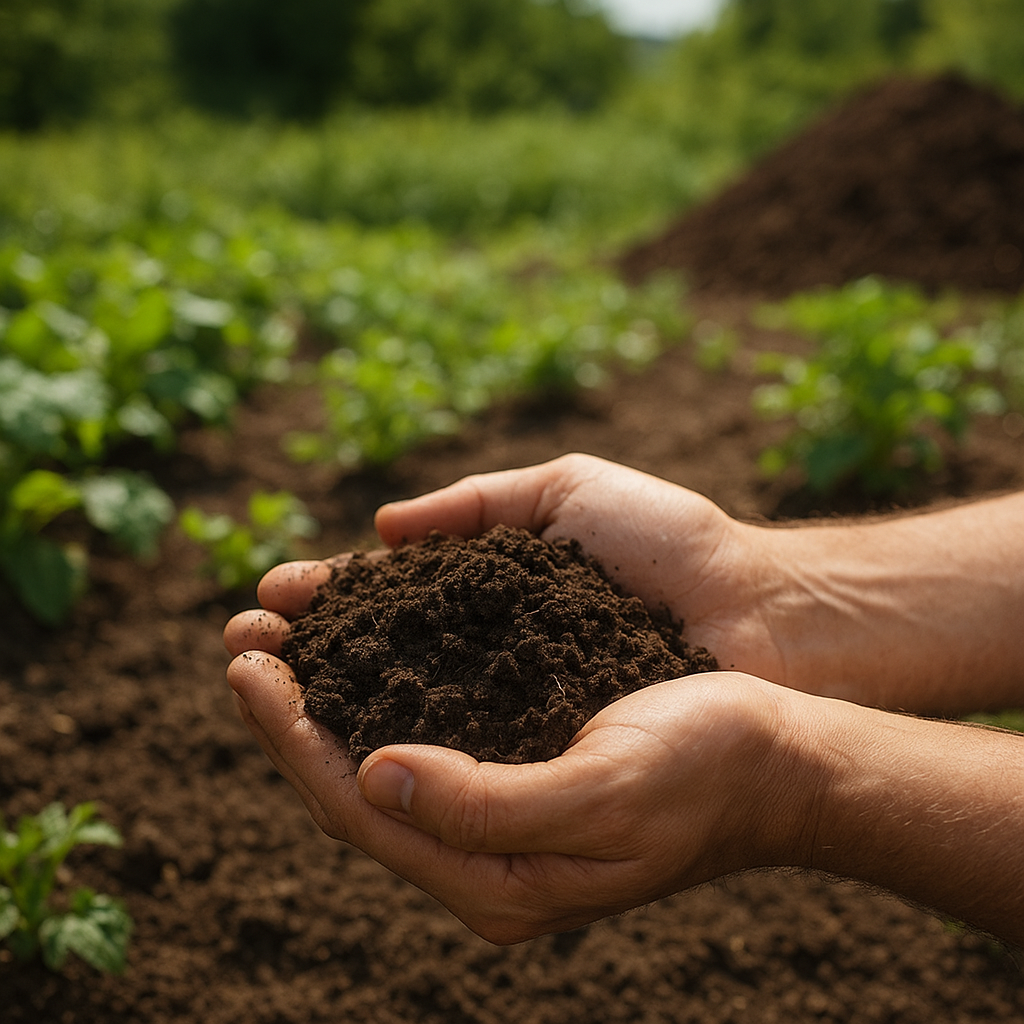
Applying well-prepared compost is a cornerstone of building SOM. Compost adds both stabilized organic compounds and a diverse community of beneficial microorganisms. Regular applications of composting byproducts such as manure, green waste, or vermicompost gradually increase the organic pool and improve carbon sequestration.
- Ensure proper carbon–nitrogen ratios (around 30:1) to avoid nitrogen lock-up.
- Maintain moisture at 40–60% to optimize microbial activity.
- Turn piles periodically to provide oxygen and prevent anaerobic conditions.
Cover Cropping and Crop Rotation
Integrating cover crops such as legumes, grasses, and brassicas protects soil from erosion and contributes biomass both above and below ground. Root exudates feed soil life, while residues left on the surface decompose over time, enhancing nutrient cycling. Rotating crops with different rooting depths and nutrient demands prevents pest build-up and encourages balanced soil health.
- Plant nitrogen-fixing legumes after heavy feeder crops to naturally boost soil N.
- Alternate deep-rooted species with shallow-rooted plants to break compaction layers.
- Terminate cover crops at the right stage to maximize biomass and minimize competition.
No-Till and Reduced Tillage
Minimizing soil disturbance preserves existing organic matter and soil aggregates. No-till systems protect the microbial community and reduce oxidation of organic carbon. Where complete no-till is not feasible, reduced or strip-tillage can still offer significant gains in soil structure and moisture conservation.
- Use specialized equipment to place seed with minimal soil turnover.
- Combine no-till with surface residue retention to suppress weeds and retain moisture.
- Monitor compaction and apply subsoiling sparingly to relieve severe layers.
Mulching and Residue Management
Applying organic mulches—such as straw, wood chips, or grass clippings—conserves moisture and gradually releases nutrients as it decomposes. Residue management from cash crops (e.g., leaving stalks or stubble) also feeds soil life and builds soil organic matter over time. Proper mulching reduces temperature extremes, supports earthworm activity, and limits erosion.
Advanced Strategies for Soil Carbon Sequestration
Beyond basic practices, innovative techniques can further enhance the soil’s capacity to capture and store carbon. These approaches are especially valuable in intensive or large-scale operations.
Biochar Application
Biochar is a stable, charcoal-like material produced by pyrolysis of biomass. When incorporated into soil, biochar enhances water retention, binds nutrients, and fosters microbial habitats. Its porous structure protects organic compounds from rapid decomposition and can remain in the soil for decades.
Mycorrhizal Inoculation
The symbiotic relationship between mycorrhizal fungi and plant roots improves nutrient uptake, particularly phosphorus. Inoculating seeds or transplant roots with these fungi can accelerate root colonization, leading to greater biomass production and increased organic matter inputs.
Precision Agriculture and Data-Driven Management
Utilizing soil sensors, GPS mapping, and yield monitors allows for targeted applications of organic amendments. This reduces waste and ensures that areas with low SOM receive additional attention. Data-driven insights can guide variable-rate compost spreading, cover-crop seeding, and irrigation timing to maximize SOM gains.
Agroforestry and Perennial Systems
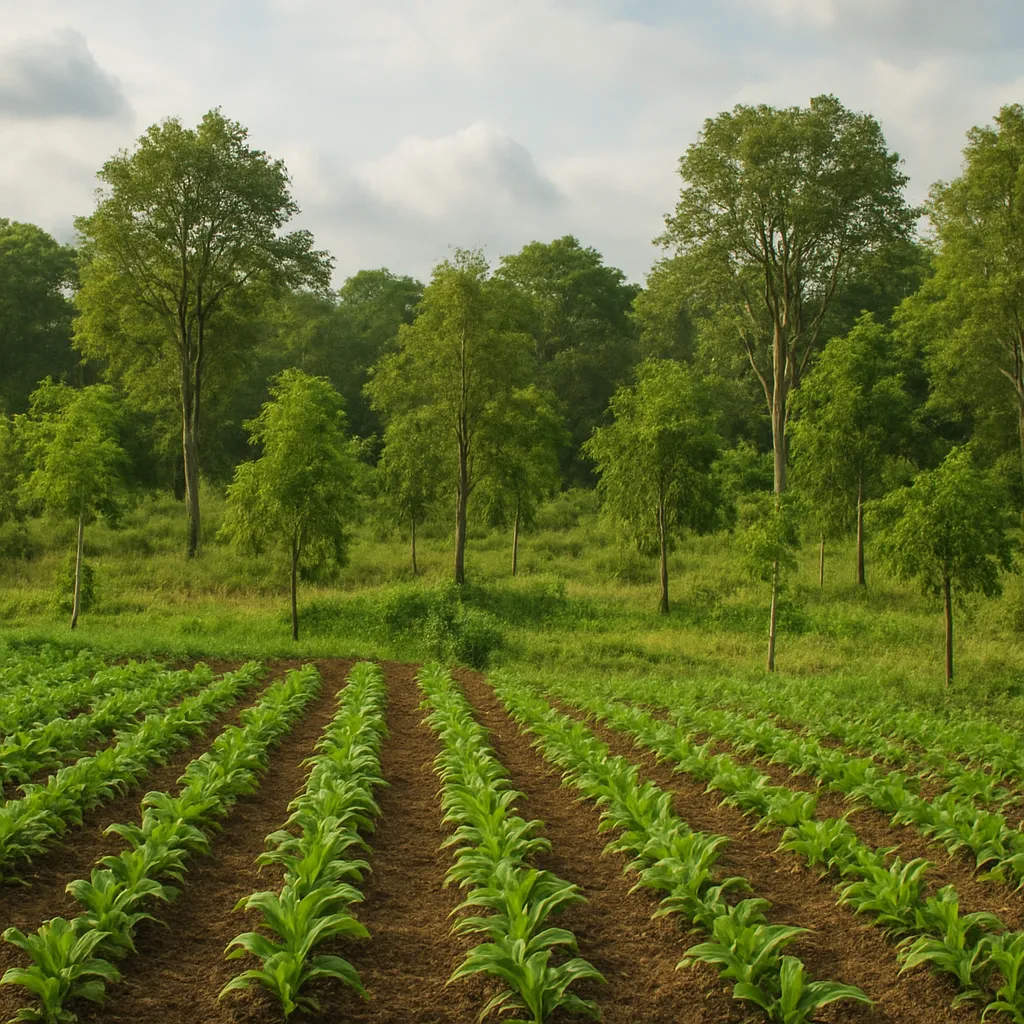
Integrating trees, shrubs, and perennial forages into cropping systems introduces deep-rooted biomass and continuous litter fall. Alley cropping, windbreaks, and silvopasture provide above- and below-ground organic inputs that accumulate over years, enhancing overall farm resilience and long-term sustainability.
Monitoring and Managing Soil Health Over Time
Regular assessment of soil conditions is crucial to track the success of SOM-building efforts. Establish a schedule for soil testing, field observations, and record keeping to inform adaptive management.
- Soil testing: Measure organic carbon, pH, nutrient levels, and texture every 2–3 years.
- Biological indicators: Monitor earthworm counts, root health, and microbial activity.
- Physical assessments: Conduct infiltration rate tests and check for compaction or crusting.
- Field logs: Record weather events, amendment applications, and crop performance to identify trends.
Adjust practices based on test results and observations. If SOM gains plateau, consider increasing organic inputs, diversifying cover crops, or experimenting with new amendments like compost tea or fermented manures. Encouraging healthy soil translates into higher yields, improved resilience against climate extremes, and reduced dependency on synthetic inputs.