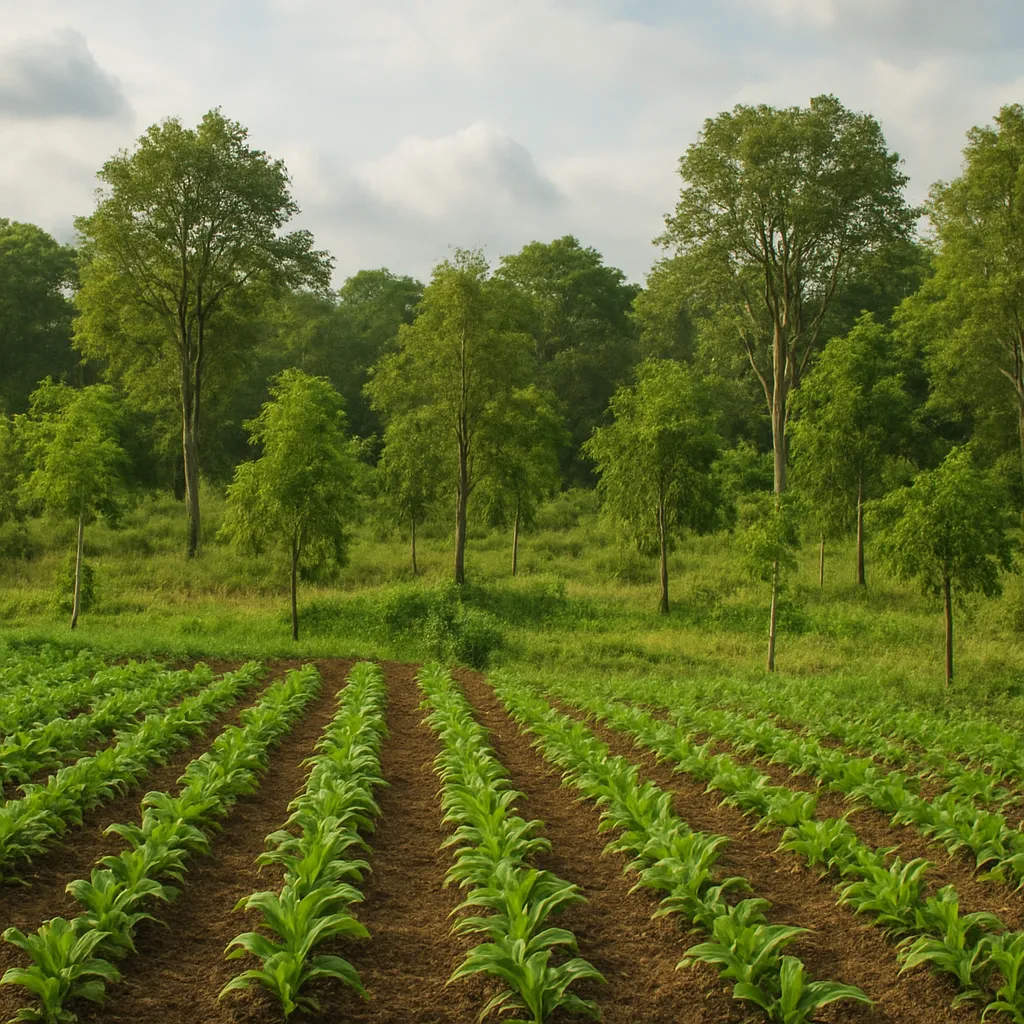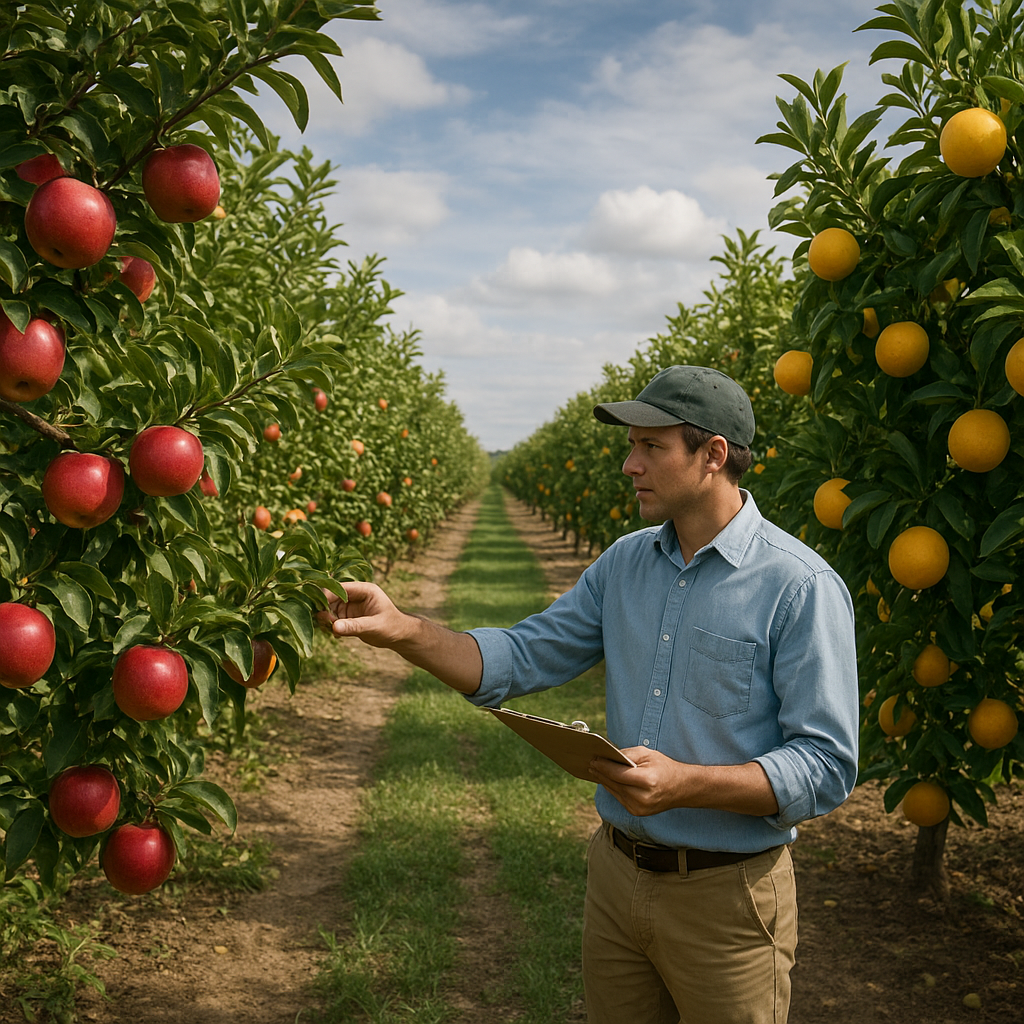
Commercial fruit cultivation demands a strategic approach combining science, experience, and continuous refinement. By focusing on best practices for site selection, variety choice, and modern management techniques, growers can achieve higher yield and consistent returns. This guide outlines essential steps for establishing and maintaining a profitable fruit enterprise.
Soil Preparation and Site Selection
Choosing the right site is the first pillar of successful commercial production. Fruit trees and bushes thrive in well-drained, loamy soils with balanced nutrient profiles. Conduct a thorough soil test to assess pH levels, organic matter content, and micronutrient availability. Aim for a pH between 6.0 and 7.0, ensuring optimal uptake of minerals.
Soil structure improvements can be achieved by incorporating organic amendments such as compost, well-decomposed manure, or peat moss. These materials enhance water-holding capacity, root penetration, and microbial activity. When planting on slopes, implement erosion control measures like cover crops and contour trenches to preserve topsoil and maintain moisture.
Varieties and Planting Techniques
Selecting the appropriate cultivars directly impacts quality and market acceptance. Research varieties that exhibit resistance to local disease pressures, possess desirable flavor profiles, and meet consumer preferences. For instance, certain apple cultivars offer natural scab resistance, reducing dependency on chemical applications.
Spacing and planting depth vary by species and rootstock. Standard trees typically require 4–6 meters between rows, while high-density systems may use dwarfing rootstocks with 1.5–3 meters spacing. Precise planting depths—neither too deep nor too shallow—promote robust root development. Consider planting under protective shelters or row covers to guard young saplings against frost or late spring chills.
Irrigation and Nutrient Management
Effective water and nutrient delivery systems are crucial for maintaining vigorous growth and maximizing yield. Drip irrigation and micro-sprinklers enable targeted water application, reducing wastage and preventing waterlogging. Schedule irrigation based on soil moisture monitoring, weather forecasts, and crop phenological stages.
- Irrigation scheduling: Use tensiometers or soil moisture sensors to irrigate when the soil moisture tension reaches critical thresholds.
- Fertilization planning: Develop a nutrient management plan informed by leaf and soil analyses. Balance nitrogen, phosphorus, and potassium for vegetative growth, flowering, and fruit set.
- Foliar feeding: Apply micronutrients like zinc, magnesium, and boron via foliar sprays during critical phases, such as pre-bloom and early fruit development.
Employ variable rate application technology (VRT) where possible to match input levels with field variability, cutting input costs and avoiding nutrient leaching into groundwater.
Pest and Disease Management
Maintaining plant health under commercial conditions demands an integrated pest management (IPM) approach. Regular scouting allows early detection of insects, mites, and pathogens. Use pheromone traps for monitoring key pests, and record incidence data to predict outbreaks.
Biological Control
Release predatory insects such as ladybugs or lacewings to suppress aphid populations. Introduce entomopathogenic nematodes for soil-borne pests, and encourage biodiversity by planting insectary strips with native flowering plants.
Cultural Practices
Implement sanitation measures like removing fallen fruit and pruning diseased wood. Rotate cover crops and avoid planting the same species on the same site within short intervals to break pest and disease cycles.
Chemical Strategies
When chemical intervention is necessary, choose selective pesticides and fungicides with minimal non-target impact. Adhere strictly to pre-harvest intervals, application rates, and resistance management guidelines. Integrate products with different modes of action to delay resistance development.
Pruning and Canopy Management
Open canopy architectures enhance light infiltration and air circulation, reducing disease incidence and improving fruit coloration. Pruning should align with specific training systems—central leader, modified leader, or espalier. Prune during dormancy to remove crossing branches, water sprouts, and weak growth.
Summer pruning can thin overly vigorous shoots, directing energy towards fruit development. Balance vegetative growth and fruit load by thinning excess blossoms or young fruits, ensuring remaining fruits reach optimal size and sugar accumulation.
Harvesting and Post-Harvest Handling
Timely harvesting is vital for preserving fruit integrity and maximizing market value. Determine harvest windows using firmness tests, sugar content measurements (Brix), and color indices. Early or late picking can result in inferior taste, storage disorders, or reduced shelf life.
- Gentle handling: Use padded containers and avoid overfilling crates to prevent bruising.
- Cooling systems: Rapid cooling—hydrocooling or forced-air cooling—removes field heat and slows respiration.
- Storage conditions: Maintain precise temperature and humidity levels to extend storage life and maintain fruit firmness.
Implement traceability systems, labeling each lot with harvest date, field block, and variety. This strengthens consumer trust and simplifies recall procedures if necessary.
Market Strategies and Quality Assurance
Understanding consumer trends and establishing reliable distribution channels are essential for long-term success. Emphasize the unique selling points of your fruit—organic certification, local origin, or exceptional taste profile. Engage with retailers, wholesalers, and direct-to-consumer platforms early in the season to secure contracts and forecast demand.
Adopt rigorous quality control protocols throughout production and post-harvest operations. Conduct random sampling for size, internal disorders, and pesticide residues. Display compliance certificates and analytical reports to demonstrate adherence to food safety standards.
Continuous improvement, data-driven decisions, and investment in new technologies ensure that your commercial orchard sustains competitiveness in a dynamic global marketplace.