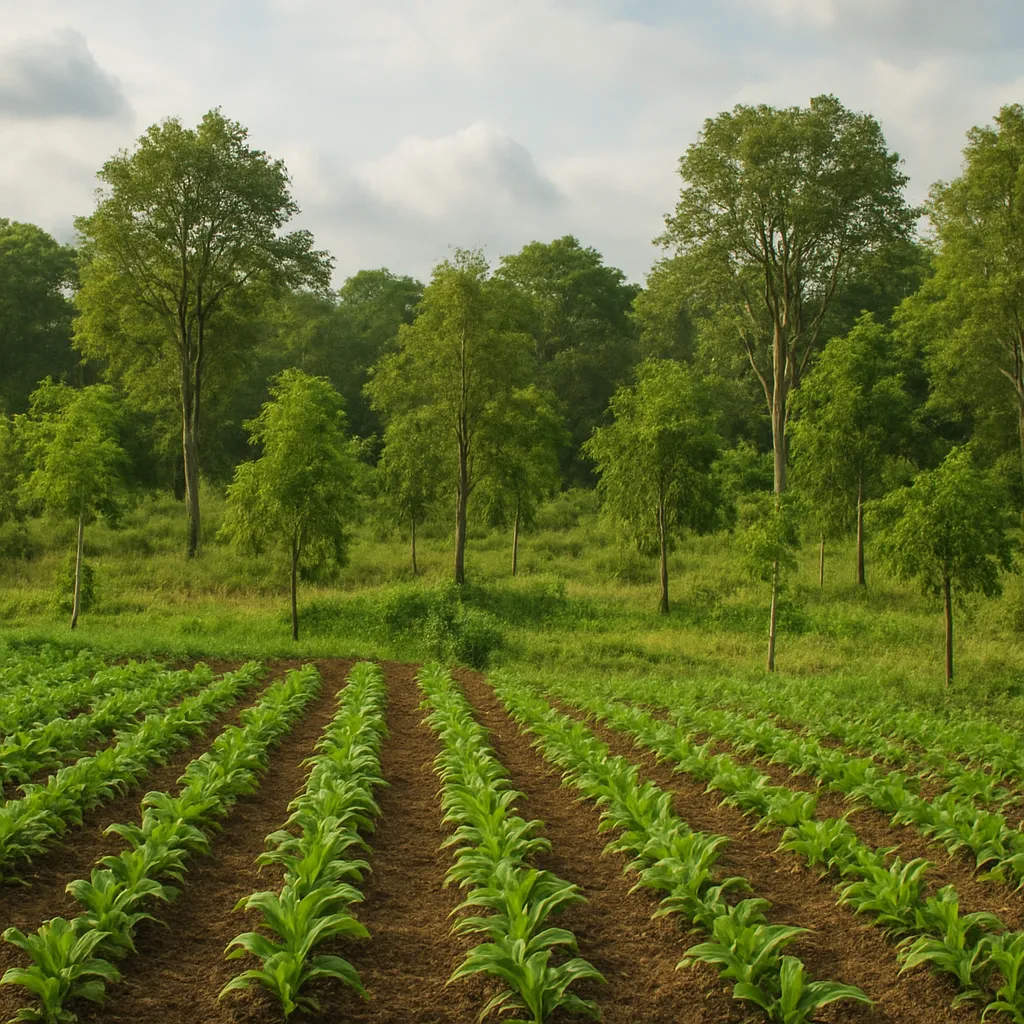
Establishing a thriving agricultural enterprise requires more than just a passion for farming—it demands a carefully constructed business plan that prioritizes eco-friendly methods, robust financial management, and adaptive strategies. In this guide, you will discover essential steps to build a sustainable farm business plan that balances environmental stewardship with economic viability.
Defining Your Vision and Goals
Every successful farm begins with a clear vision. To chart a purposeful direction, you must identify long-term objectives and measurable targets. Consider questions such as:
- What scale of operation aligns with your personal and financial capacities?
- How will you integrate sustainability and regenerative practices into daily routines?
- Which crops or livestock breeds complement local climate, soil conditions, and market demand?
By crafting a mission statement that emphasizes core values—like environmental protection, community engagement, and innovation—you create a guiding framework for every decision.
Conducting a Comprehensive Assessment
A thorough analysis of internal and external factors is crucial. This includes:
Resource Inventory
- Land quality: test your soil for nutrients, pH, and organic matter to determine appropriate crops and amendments.
- Water sources: assess availability, quality, and irrigation efficiency to reduce waste and maximize yield.
- Equipment and infrastructure: list existing machinery, storage facilities, and fencing, noting repair or replacement needs.
Market Research
- Local and regional demand: identify niches where your products can earn a premium, such as organic produce or free-range poultry.
- Distribution channels: evaluate farmers’ markets, cooperatives, direct-to-consumer sales, and wholesale partnerships.
- Competitive analysis: study nearby farms’ offerings, prices, and marketing strategies to uncover gaps you can fill.
Compiling this data equips you to allocate resources efficiently and position your farm for profitability.
Crafting Financial Strategies
Sound financial planning underpins resilience against fluctuating market conditions and unexpected challenges. A robust budget should include:
- Startup costs: land acquisition or lease fees, equipment purchases, and initial seed or livestock investments.
- Operating expenses: labor, feed, fertilizers, repairs, utilities, and insurance.
- Revenue projections: realistic yield estimates, pricing structures, and sales forecasts based on your market research.
- Contingency funds: reserve capital to address adverse weather, pest outbreaks, or supply chain disruptions.
Use financial models—such as break-even analysis and cash flow forecasting—to illustrate viability to lenders and stakeholders. Highlight how profitability will grow through incremental expansions or value-added products.
Implementing Sustainable Practices
Integrating eco-conscious methods into daily operations not only preserves natural systems but also enhances long-term productivity. Key strategies include:
Soil Health Management
- Crop rotation: alternate plant families to reduce disease pressure and nutrient depletion.
- Cover cropping: plant legumes or grasses during off-seasons to improve organic matter and prevent erosion.
- Composting: recycle organic waste into nutrient-rich soil amendments, cutting reliance on synthetic fertilizers.
Biodiversity and Ecosystem Services
- Agroforestry: combine trees with crops or livestock to create habitat, sequester carbon, and diversify income.
- Pollinator support: establish flowering strips or wildflower zones to sustain bees, butterflies, and beneficial insects.
- Wetland restoration: if applicable, protect or recreate wetlands to filter runoff and regulate water cycles.
Such measures enhance biodiversity, mitigate risk, and contribute to ecosystem resilience. Regular monitoring and adaptive adjustments are vital, ensuring your farm remains responsive to environmental feedback.
Marketing and Value-Added Opportunities
In today’s competitive landscape, success depends on building a strong brand and connecting with customers. Consider these tactics:
- Storytelling: share your farm’s journey, sustainable ethos, and community impact through social media, blogs, or on-farm events.
- Membership programs: launch a Community Supported Agriculture (CSA) initiative, offering weekly shares of produce in exchange for upfront support.
- Value-added processing: convert raw commodities into higher-margin products—jams, cheeses, cured meats, or essential oils.
- Certification and labeling: pursue organic, fair-trade, or local food certifications to appeal to conscious consumers.
An effective marketing plan underscores your farm’s unique selling points and strengthens customer loyalty, boosting overall market position.
Risk Management and Compliance
Identifying and mitigating potential threats shields your operation from major disruptions. Key considerations:
- Legal requirements: ensure compliance with zoning laws, environmental regulations, and food safety standards.
- Insurance coverage: select policies for crop failure, liability, property damage, and loss of livestock.
- Pest and disease prevention: implement integrated pest management (IPM) to minimize chemical use and maintain ecological balance.
- Safety protocols: train staff on equipment handling, chemical application, and emergency procedures.
Proactive risk management enhances farm resilience and secures stakeholder confidence.
Operational Planning and Management
Efficient farm operations hinge on clear procedures, timely execution, and ongoing evaluation. Develop these components:
Work Schedules and Labor
- Seasonal calendars: map planting, harvesting, and maintenance tasks to optimize workforce deployment.
- Training programs: invest in skill development for employees on sustainable practices, equipment use, and record-keeping.
- Safety guidelines: maintain up-to-date manuals and enforce protective measures.
Record-Keeping and Performance Tracking
- Production logs: note seed/stock sources, input applications, yields, and quality metrics.
- Financial records: track expenses, revenues, and profitability by enterprise to inform management decisions.
- Environmental monitoring: record soil tests, water usage, and biodiversity indicators to gauge sustainability progress.
Accurate data fosters continuous improvement, enabling you to refine strategies and boost efficiency.
Leveraging Technology and Innovation
Emerging technologies can transform farm productivity and resource management. Explore options such as:
- Precision agriculture: use drones, GPS mapping, and sensors to optimize input application and monitor plant health.
- Automated systems: implement robotic weeding, milking, or greenhouse climate control to reduce labor demands.
- Data analytics: integrate farm management software to analyze trends, forecast yields, and streamline logistics.
- Renewable energy: install solar panels, wind turbines, or bioenergy systems to decrease operational costs and carbon footprint.
Adopting these innovations promotes long-term cost savings and enhances operational agility through continual improvement.
Planning for Growth and Adaptation
A dynamic business plan anticipates change and scales over time. Strategies for sustainable expansion include:
- Diversification: introduce new crops, livestock, or agritourism services to spread risk and increase revenue streams.
- Collaborations: partner with research institutions, nonprofits, or other farms to share knowledge, access grants, and pilot new practices.
- Periodic review: revisit goals, assess performance, and update financial models to reflect market shifts and environmental conditions.
- Continuous learning: engage in workshops, conferences, and online courses to stay informed about best practices and emerging trends.
By embedding flexibility and feedback loops into your plan, you ensure lasting success and prosperity for your agricultural enterprise.