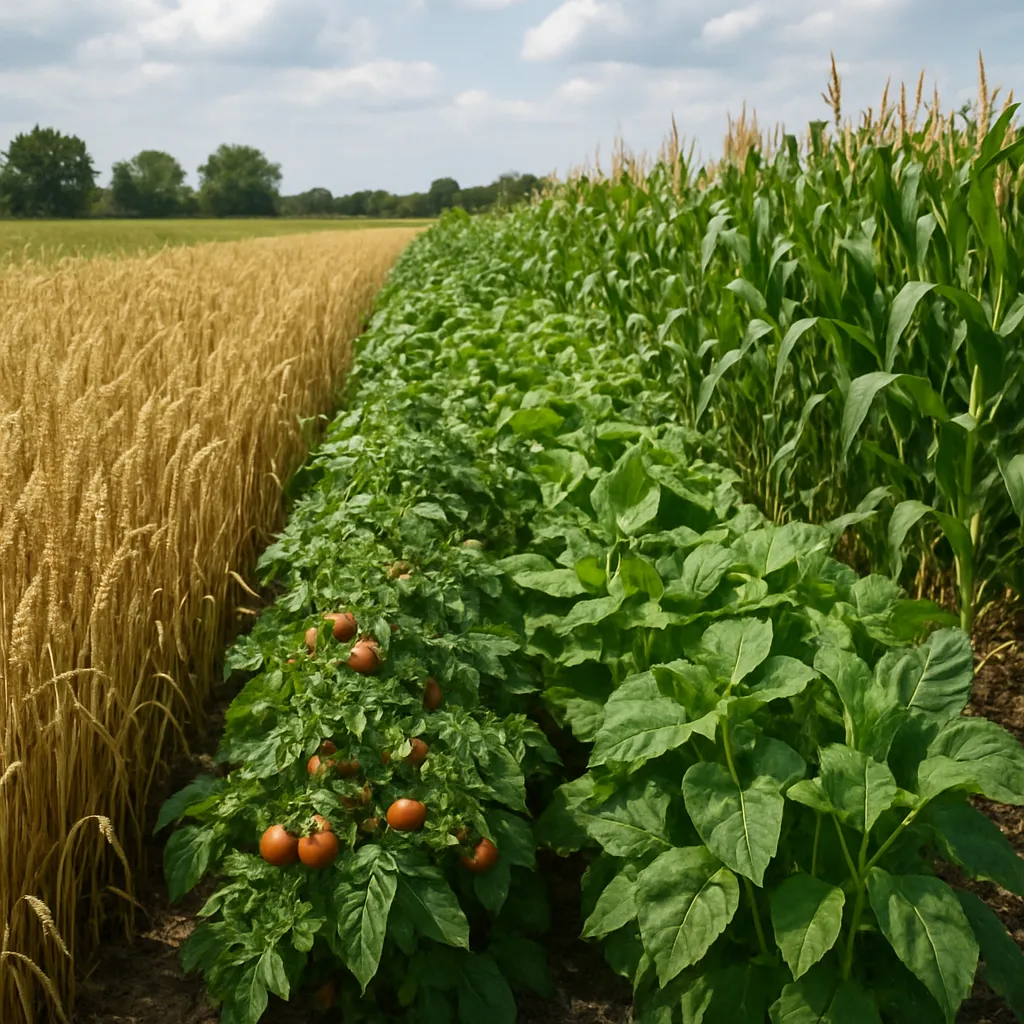
Efficient management of agricultural activities begins with a well-structured crop calendar that guides farmers through each phase of the growing season. A reliable framework helps optimize soil fertility, coordinate irrigation, and manage pests while aligning with local weather patterns. By mapping out planting, nurturing, and harvesting windows, you can maximize your yield and ensure long-term sustainability and efficiency on your farm.
Creating a Solid Foundation
Before diving into the specifics of your crop calendar, establish a strong baseline that considers your farm’s unique characteristics.
Analyzing Climate and Soil
- Collect historical weather data: average temperatures, rainfall, frost dates.
- Test soil composition: pH, nutrient levels, texture.
- Identify microclimates: slopes, shade patterns, wind exposure.
Understanding local conditions helps in selecting crops compatible with your environment and avoids costly errors like planting heat-sensitive varieties in hot zones or water-intensive crops in dry regions.
Defining Farm Zones
- Divide your land into management units based on soil type and topography.
- Assign each zone a priority level: high-value vegetables, cover crops, perennials.
- Document past performance: which areas yielded the best results?
Zone mapping streamlines resource allocation, such as focusing irrigation on high-yield zones and rotating less demanding crops in poorer soils.
Developing the Crop Calendar
A well-crafted calendar balances growth stages, labor availability, and equipment schedules. Follow these steps to build a clear timeline:
Mapping Key Dates
- Planting windows: based on last frost and soil temperature.
- Expected germination and transplant dates.
- Mid-season management: thinning, pruning, pest scouting.
- Harvest periods: peak ripeness, drying times, storage readiness.
- Post-harvest cover cropping or soil rest dates.
By plotting these milestones on a calendar, you can anticipate busy periods and schedule labor and machinery well in advance.
Integrating Crop Rotation and Succession Planting
- Alternate families: legumes after brassicas, solanaceae after legumes.
- Schedule quick-turnaround greens between heavy feeders.
- Plan succession planting every 2–3 weeks for continuous harvests.
Crop rotation reduces disease pressure and balances nutrient uptake, while succession planting smooths labor peaks and ensures a steady market supply.
Optimizing Crop Performance
Once your calendar is set, use targeted practices to boost plant health and productivity.
Precision Irrigation Scheduling
- Group crops by water needs: high, medium, low.
- Set irrigation cycles: frequency and duration based on growth stage.
- Implement sensors or moisture meters for real-time data.
Efficient irrigation conserves water and prevents issues like root rot or drought stress.
Fertilization and Soil Amendments
- Base dressing: apply compost or organic fertilizer before planting.
- Side dressing: supply extra nitrogen during vegetative growth.
- Foliar feeding: quick nutrient boosts at flowering or fruit set.
Adjust inputs according to soil test results and growth milestones to avoid over-fertilization and nutrient imbalances.
Pest and Disease Management
- Regular scouting during critical growth stages.
- Deploy beneficial insects or biological controls early.
- Use traps, row covers, or companion plants for natural pest deterrence.
Early detection and integrated strategies preserve crop health without overreliance on chemical treatments.
Monitoring and Adapting Throughout the Season
A dynamic crop calendar evolves as conditions change. Continuous monitoring and flexibility are key.
Record Keeping and Data Analysis
- Log planting and harvest dates, yields, input use.
- Note anomalies: late frosts, heatwaves, disease outbreaks.
- Compare this season’s results with historical data.
Accurate records reveal patterns and inform adjustments for next year’s calendar, enhancing long-term sustainability.
Adjusting for Unexpected Events
- Early hailstorm? Move quickly to protect seedlings with covers.
- Drought onset? Shift to drought-tolerant cultivars or reduce planting density.
- Pest surge? Introduce targeted biological agents and crop barrier methods.
Adaptive management ensures resilience against the unpredictable whims of nature.
Review and Continuous Improvement
- Conduct end-of-season evaluations with your team.
- Identify bottlenecks: labor shortages, machinery downtime, input delays.
- Set goals for next season: higher yield, reduced water use, improved efficiency.
By refining each element of your crop calendar annually, you build a robust system that supports both productivity and ecological balance.