As global weather patterns shift and extreme events become more frequent, the agricultural sector faces unprecedented challenges. Farmers and agronomists must navigate a delicate balance between maintaining productivity and safeguarding environmental resources. By examining the multifaceted impacts of changing climates on crops, soils, water supplies, and ecosystems, stakeholders can develop strategies that enhance resilience, boost yields, and protect future generations from food insecurity.
Impacts of Climate Change on Crop Yield and Food Security
Temperature Extremes and Heat Stress
Rising average temperatures and the frequency of heatwaves significantly reduce crop performance. High daytime and nighttime temperatures can impair pollination, induce flower drop, and diminish grain filling, ultimately slashing overall yield. Staple crops like wheat, rice, and maize exposed to prolonged heat stress often exhibit stunted growth and lower harvest weights. Farmers in temperate zones may see shortened growing seasons, while those in tropical regions struggle with exacerbated heat, forcing shifts in planting dates or even crop varieties.
Changing Precipitation Patterns
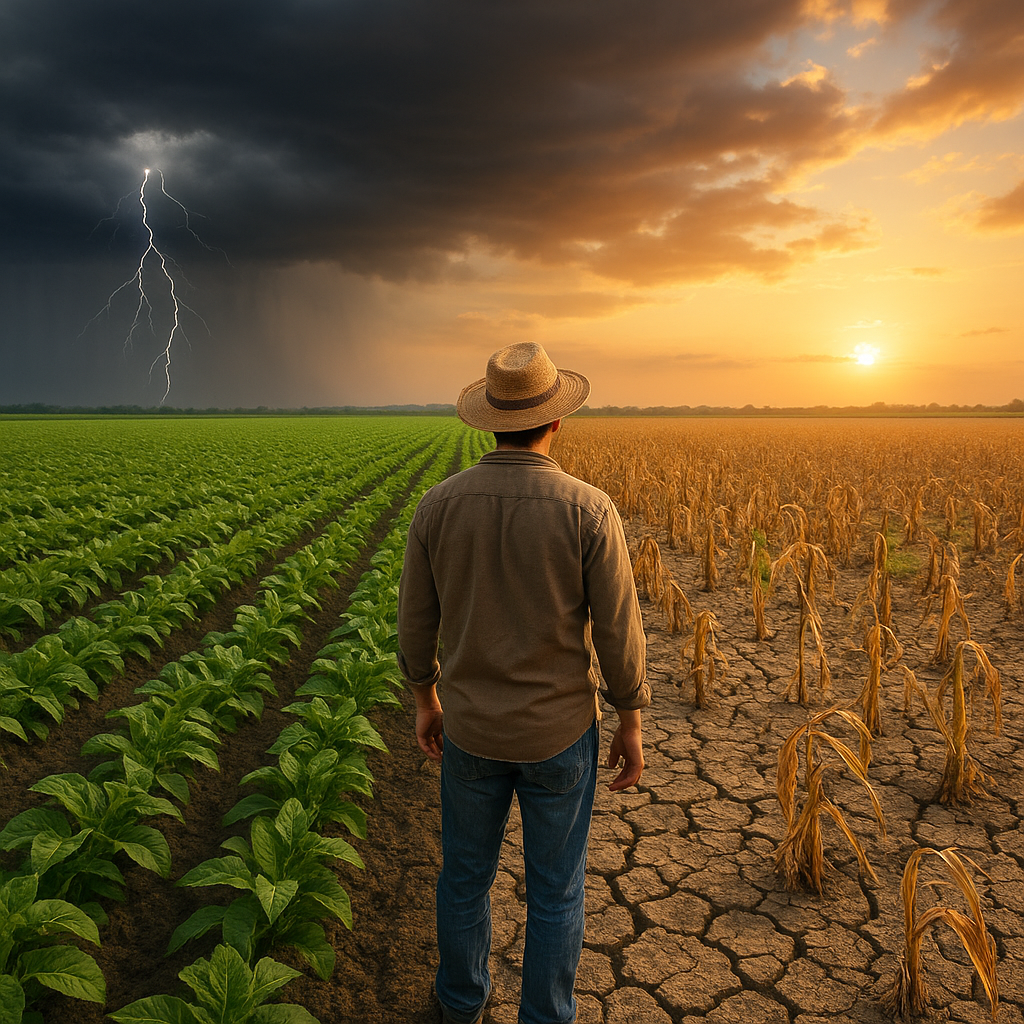
Erratic rainfall — characterized by intense downpours followed by long dry spells — intensifies both flooding and drought risks. Cropland often becomes waterlogged during heavy rains, resulting in root damage and nutrient leaching. Conversely, extended dry periods deplete soil moisture reserves and impede germination. These fluctuations drive farmers to invest in adaptive water strategies to mitigate losses and maintain consistent production levels.
Pest and Disease Pressure
Warming climates and altered humidity patterns create favorable conditions for the proliferation of pests and pathogens. Insects like aphids, locusts, and spider mites expand their geographic range, while fungal diseases, including rusts and blights, gain footholds in previously unaffected regions. Such outbreaks erode crop health and yield potential, prompting increased reliance on pesticides — a practice that can threaten ecosystem balance and farmer livelihoods.
Soil Health, Water Management, and Biodiversity
Soil Degradation and Conservation
Soil health underpins sustainable agriculture, but erosion, nutrient depletion, and compaction threaten its long-term productivity. Climate-driven heavy rains wash away topsoil, while intensified tillage can exacerbate degradation. Conservation tillage, cover cropping, and organic amendments like compost or manure help rebuild soil structure, enhance water infiltration, and retain essential nutrients.
Efficient Irrigation Systems
With water scarcity looming as a key issue in many farming regions, innovative irrigation approaches become indispensable. Drip systems deliver moisture directly to plant roots, reducing evaporation losses. Sensor-based irrigation controllers monitor soil moisture and weather forecasts to automate watering schedules, ensuring crops receive just the right amount of water. Such technologies conserve resources and lower energy costs.
Enhancing Biodiversity
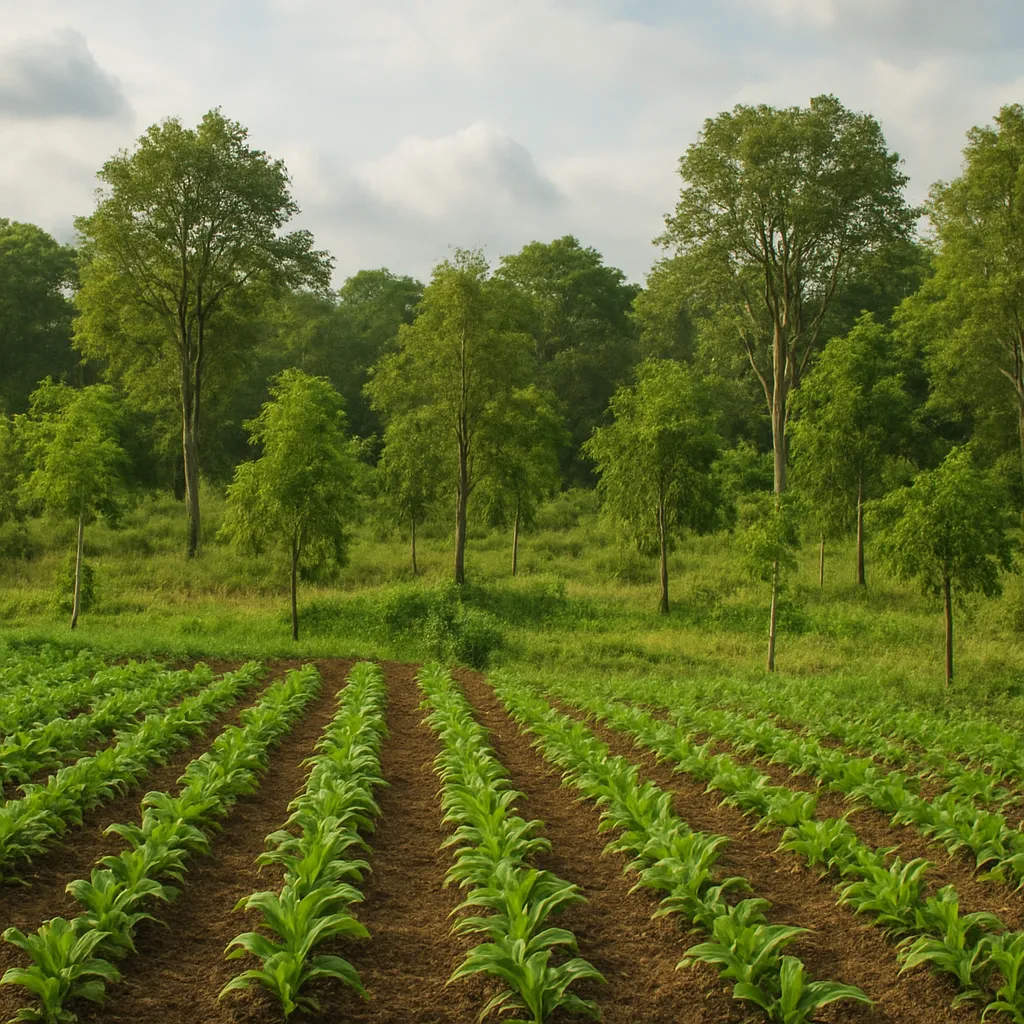
Integrating diverse plant species and beneficial insects into agricultural landscapes fosters resilience against climate shocks. Polyculture and agroforestry systems, which combine trees, shrubs, and annual crops, improve habitat connectivity and bolster natural pest control. Flowering hedgerows attract pollinators, while bird perches encourage avian predators that feed on crop pests, reducing the need for chemical applications.
Innovative Practices and Technological Solutions
Vertical Farming and Controlled Environments
Indoor agriculture harnesses technology to optimize growing conditions year-round. Vertical farms stack growing racks under LED lighting, allowing precise control over temperature, humidity, and nutrient delivery. This method dramatically reduces water usage and shields crops from unpredictable outdoor weather, delivering consistent quality and higher plant densities.
Precision Farming and Remote Sensing
Precision agriculture employs GPS mapping, drones, and satellite imagery to monitor crop development at fine spatial scales. Farmers can detect stress zones, nutrient deficiencies, or pest hotspots early on and apply inputs only where needed. Variable-rate application equipment adjusts seed, fertilizer, and water distribution in real time, reducing waste and enhancing overall sustainable resource use.
Drought-Resistant Crop Varieties
Plant breeders and biotechnologists are developing cultivars that withstand heat and water limitations. Through genetic selection and gene editing, scientists have introduced traits like deeper root systems, enhanced stomatal regulation, and improved osmotic adjustment. These adaptation strategies empower crops to maintain yield under water stress, benefiting farmers in arid and semi-arid regions.
Practical Agriculture Tips for Adapting to Climate Challenges
Applying actionable techniques helps producers build on-farm resilience and reduce exposure to climate-related threats. Below are several key recommendations:
- Crop Rotation: Rotate cereals, legumes, and cover crops to break pest cycles, improve soil fertility, and reduce erosion.
- Cover Cropping: Plant species like clover or rye during off-seasons to protect soil, add organic matter, and suppress weeds.
- Mulching: Use straw, wood chips, or living mulches to retain soil moisture, regulate temperature, and inhibit weed growth.
- Rainwater Harvesting: Collect roof runoff in tanks or ponds to supplement irrigation during dry spells.
- Windbreaks: Establish tree or shrub rows to shield crops from desiccating winds, reduce evaporation, and enhance microclimates.
- Early Warning Systems: Subscribe to weather advisories and pest alerts to plan planting, protect seedlings, and time treatments effectively.
- Soil Testing: Regularly analyze soil to determine nutrient levels and adjust fertilization schedules for optimal plant health.
- Local Collaboration: Join farmer networks and cooperatives to share knowledge, pool resources, and coordinate climate-smart initiatives.
- Energy Efficiency: Upgrade to solar-powered pumps, high-efficiency motors, and LED lighting to lower greenhouse gas emissions and reduce operating costs.
- Market Diversification: Grow niche or high-value crops, adopt agro-tourism, or explore local food markets to strengthen economic stability.
Embracing a holistic approach that combines traditional wisdom with cutting-edge solutions will be critical for ensuring the long-term viability of agriculture in a changing climate. By prioritizing soil conservation, water stewardship, biodiversity, and strategic planning, farmers can safeguard food production and nurture healthier ecosystems across the globe.