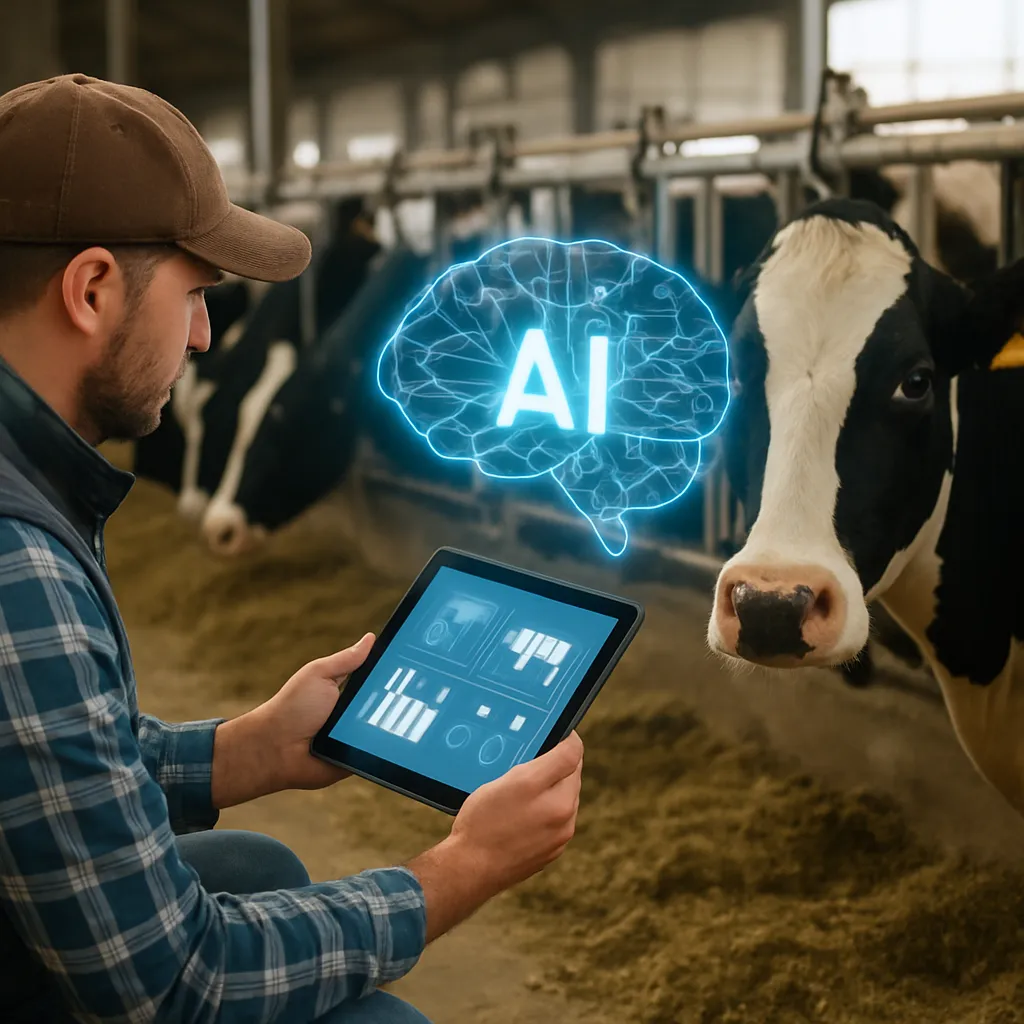
Artificial intelligence has revolutionized agriculture by offering unprecedented tools to enhance productivity, animal welfare, and environmental *sustainability*. In livestock breeding, AI-driven technologies help farmers make informed decisions, optimize genetic selection, and improve overall herd performance. This article explores multiple facets of integrating AI into modern agriculture and provides practical tips to maximize its benefits.
Enhancing Breeding Accuracy with AI
Traditional breeding methods often rely on pedigree records and visual assessments. Today, machine learning algorithms and data analytics enable breeders to analyze vast datasets, including genomic information, phenotype measurements, and environmental factors. By examining genetic markers and performance traits, AI models can predict the most desirable crosses, accelerating genetic gain and reducing the time needed to achieve breeding goals.
- Genomics Integration: Sequencing technologies generate high-resolution genome data. AI tools identify single nucleotide polymorphisms (SNPs) associated with disease resistance, growth rate, fertility, and milk composition.
- Predictive Modeling: Regression models and neural networks forecast offspring performance based on parental DNA profiles. This precision reduces guesswork and improves selection accuracy.
- Automated Record-Keeping: Cloud-based platforms compile breeding records and environmental parameters, ensuring breeders access real-time insights across multiple locations.
Optimizing Animal Health and Welfare
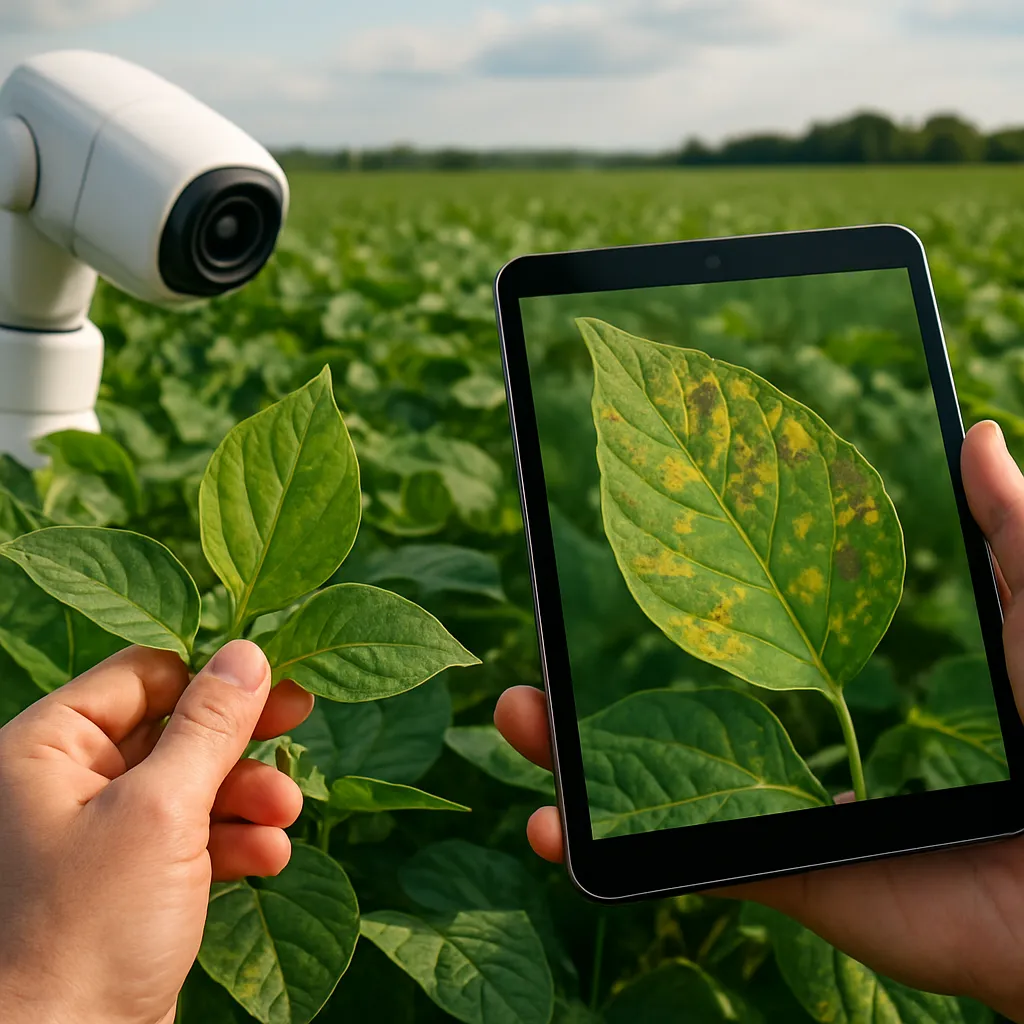
Early detection of health issues is crucial for livestock welfare and farm profitability. AI-powered health monitoring systems employ sensors and cameras to continuously track animal behavior, physiology, and feeding patterns.
- Sensors and Wearables: Devices attached to collars or ear tags collect data on body temperature, heart rate, and activity levels. Sudden deviations trigger alerts for veterinary intervention.
- Computer Vision: Cameras mounted in barns analyze gait, posture, and social interactions. Image recognition algorithms flag lameness or signs of distress before visible symptoms emerge.
- Automated Vaccination and Treatment Scheduling: Based on risk assessments, AI suggests optimal dosing times and identifies individuals requiring immediate care, reducing drug usage and promoting sustainability.
Sustainable Feed Management and Environmental Impact
Efficient feed utilization lowers costs and minimizes ecological footprints. AI-driven feeding systems adjust rations in real time to match the nutritional needs of each animal, ensuring optimal growth without waste.
- Precision Nutrition: Models use data on weight gain, milk yield, and forage quality to design customized diets. This approach reduces methane emissions and feed costs.
- Automated Feed Delivery: Robotic feeders dispense precise amounts based on individual consumption patterns. Less manual labor is required, and feed spoilage decreases.
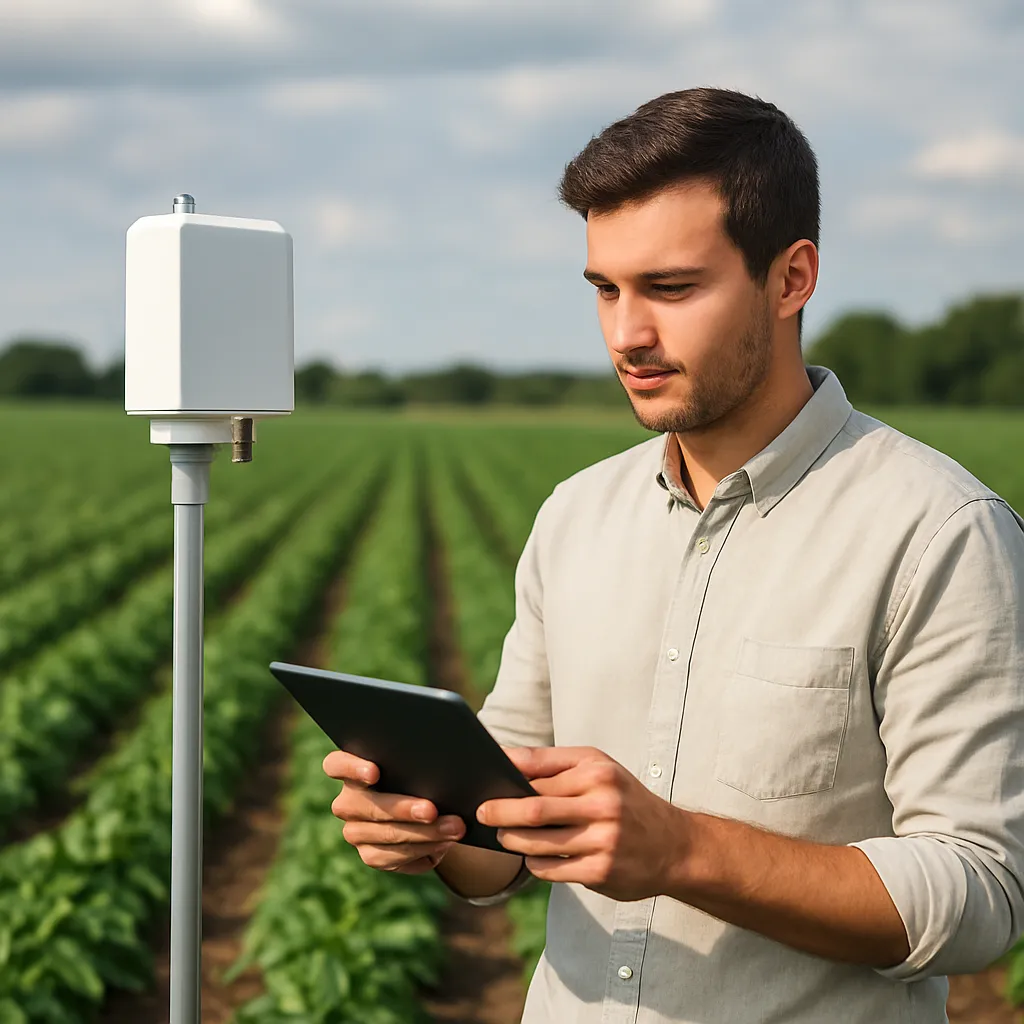
- Environmental Monitoring: IoT sensors track soil moisture, greenhouse gas emissions, and nutrient runoff. AI analyzes this data to recommend crop rotations and manure management techniques that protect water quality.
Implementing AI Solutions: Practical Tips
Adopting AI on the farm requires strategic planning, investment, and training. Below are actionable recommendations to ensure a successful transition:
1. Define Clear Objectives
- Identify key performance indicators (KPIs) such as reproductive rate, feed conversion ratio, or health event reduction.
- Prioritize high-impact areas where AI can address persistent challenges or bottlenecks.
2. Invest in Reliable Infrastructure
- Ensure stable internet connectivity and sufficient power supply for sensors, cameras, and data processors.
- Choose scalable cloud or on-premise servers capable of storing and processing large volumes of data.
3. Collaborate with Technology Providers
- Partner with automation and AI startups that specialize in agriculture. Leverage their expertise for system integration and support.
- Seek platforms offering user-friendly dashboards, real-time alerts, and customizable reports.
4. Train Your Team
- Conduct workshops on data interpretation, equipment maintenance, and troubleshooting common issues.
- Encourage continuous learning to stay updated on emerging AI methods and best practices.
5. Monitor, Evaluate, and Refine
- Regularly assess system performance against your defined KPIs.
- Update algorithms and refine data inputs to boost model accuracy and adaptability.
Future Perspectives and Emerging Trends
As AI technology evolves, livestock breeding will benefit from even more advanced tools. Research is underway to integrate real-time analytics with blockchain for traceability, ensuring food safety and product authenticity. Emerging fields such as digital twins—virtual replicas of herds—will enable simulations of genetic strategies and management practices before applying them on the farm.
- Edge Computing: Performing data processing directly on devices reduces latency and dependency on cloud connectivity, crucial for remote farms.
- Robotic Herding: Autonomous drones and robots guided by AI can manage grazing patterns, distribute feed, and inspect watering stations without human intervention.
- Gene Editing Insights: Combining AI with CRISPR technology may accelerate the development of animals resilient to climate stressors and pathogens.
By embracing these innovations, farmers can achieve higher productivity, better animal welfare, and greater economic returns while preserving natural resources for future generations.