Embracing the digital era, the integration of artificial intelligence in agriculture is revolutionizing how farmers manage fields and protect crops. Technological breakthroughs are delivering unprecedented insights into plant health, enabling growers to identify potential issues with crop diseases long before visible symptoms emerge. This synergy of agronomy and high-tech innovation is setting the stage for a more resilient and productive food system.
The Rise of AI in Agriculture
Over the past decade, the adoption of precision agriculture technologies has surged. Sensors, drones, and satellite imagery generate vast streams of data that can be processed by advanced algorithms. Machine learning models digest this information to recognize patterns and anomalies, transforming raw metrics into actionable guidance for farmers. By automating data collection and interpretation, growers free up time to focus on strategic decisions.
Key drivers behind this transformation include falling hardware costs, open-source software platforms, and a growing community of agritech startups. From smallholder farms to large estates, operations are experimenting with AI-powered solutions to reduce chemical applications, optimize water usage, and predict yield outcomes with remarkable accuracy. The result is improved efficiency, lower input costs, and enhanced environmental stewardship.
While early adopters report significant benefits, the path to widespread adoption still presents hurdles. Farmers must navigate a learning curve to understand data-driven workflows and integrate new tools seamlessly into daily routines. Collaborations between researchers, extension agents, and technology providers play a crucial role in accelerating knowledge transfer and building confidence among growers.
Early Detection of Crop Diseases with AI
Detecting crop diseases before they spread is critical to minimizing yield loss and maintaining crop quality. Traditional scouting methods can be labor-intensive and prone to human error. AI-driven solutions, however, offer predictive capabilities that far exceed manual inspection.
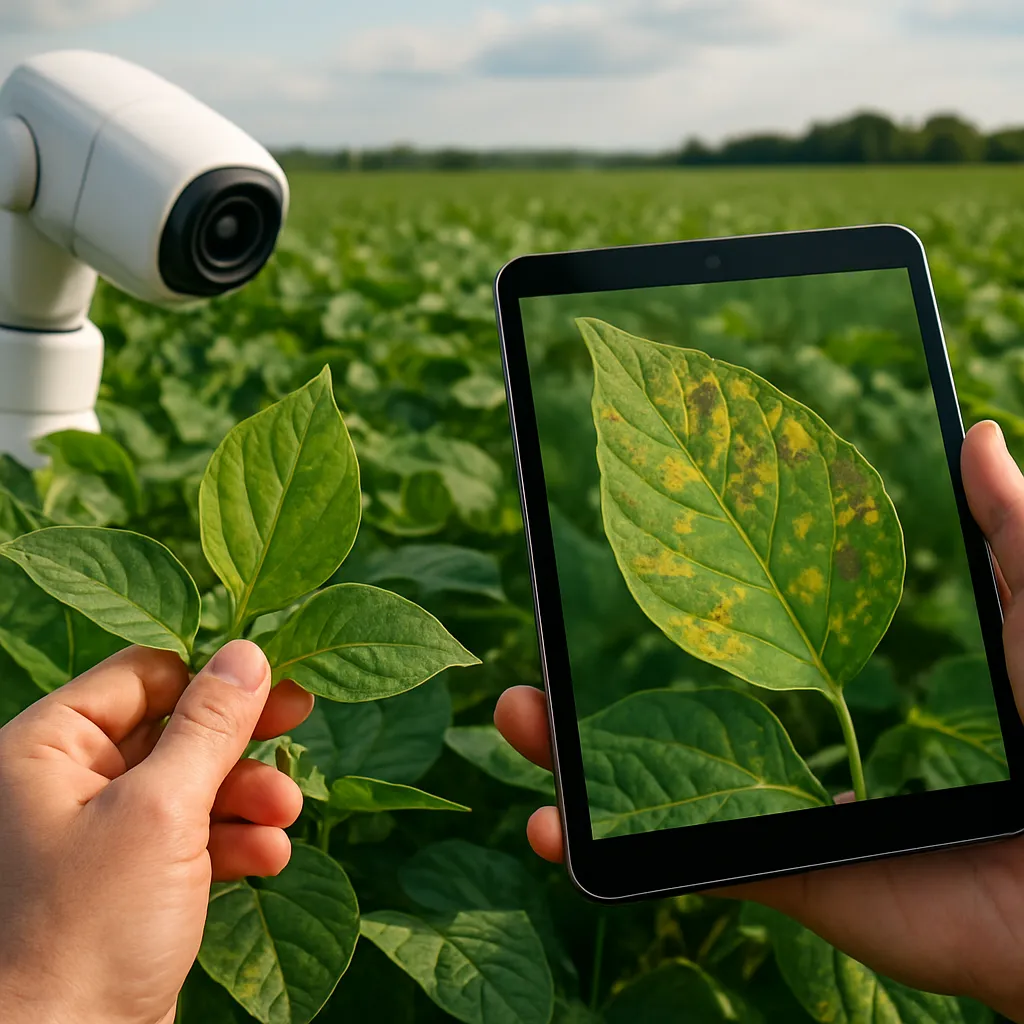
Computer vision models analyze images captured by drones or smartphone cameras to identify subtle signs of stress, discoloration, or texture changes in leaves. These visual cues often precede visible wilting or necrosis. By processing thousands of images in minutes, AI systems can flag high-risk areas and deliver real-time alerts to field managers.
- Remote sensing platforms harness multispectral and hyperspectral imagery to detect variations in plant reflectance, indicating early infection or nutrient deficiencies.
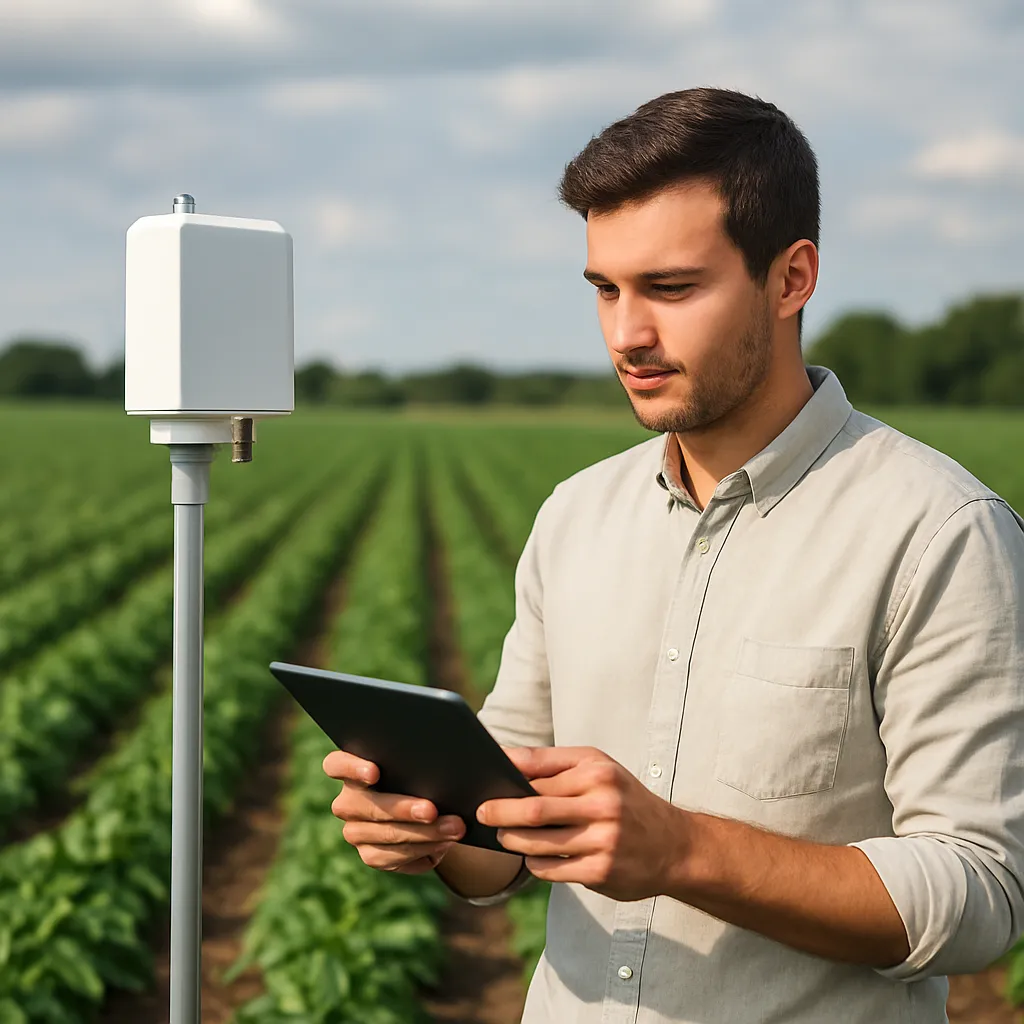
- IoT sensors measure microclimate conditions—humidity, temperature, soil moisture—providing context for disease modeling and outbreak prediction.
- Cloud-based data analytics engines integrate diverse inputs, allowing for Predictive Modeling that forecasts disease progression under different weather scenarios.
In practice, farmers receive alerts on a mobile dashboard when risk thresholds are exceeded. Affected zones can then be targeted with spot treatments, reducing the need for blanket pesticide applications. This approach not only cuts chemical usage and costs but also enhances environmental sustainability by minimizing runoff and preserving beneficial organisms.
Practical Tips for Farmers Adopting AI
Implementing AI solutions can seem daunting. Here are actionable recommendations to smooth the transition:
- Start small: Pilot a single field or crop type using affordable tools like smartphone apps or low-cost drones.
- Collaborate: Partner with local research institutions or extension services to access expertise and shared resources.
- Train your team: Invest in workshops or online courses to build in-house proficiency in data interpretation and system maintenance.
- Leverage open platforms: Many AI frameworks and datasets are publicly available, offering customizable models with no licensing fees.
- Scale gradually: As confidence grows, expand AI applications to additional fields or new stages of the crop cycle, such as planting or harvest forecasting.
Securing reliable internet connectivity in rural areas is often a prerequisite. Farmers can explore satellite-based broadband or mesh networks to ensure seamless data flow. Regularly calibrating sensors and updating software are essential maintenance tasks that keep AI predictions accurate.
Practical Agriculture Tips to Enhance AI Outcomes
To maximize the value of AI-driven insights, follow these proven agricultural practices:
- Maintain accurate field records, including planting dates, fertilizer applications, and past disease incidents.
- Conduct soil tests seasonally to adjust nutrient management plans and reduce risk factors for disease development.
- Use crop rotation and intercropping to break pest and disease cycles naturally.
- Implement buffer strips or cover crops to improve soil health and support beneficial insects that can suppress pathogens.
- Adopt variable-rate technology to apply water, nutrients, and agrochemicals precisely where needed.
Combining these agronomic strategies with AI-enhanced monitoring creates a robust defense against unpredictable threats. Over time, data-driven insights can guide continuous improvement, helping farms become more adaptive and resilient to environmental changes.
Challenges and Future Outlook
Despite its promise, AI in agriculture faces several challenges:
- Data privacy concerns arise when proprietary farm information is processed by third-party platforms.
- High initial investment costs can deter small-scale producers.
- Limited access to reliable power sources and internet connectivity in remote regions.
- Complex regulatory environments for aerial monitoring with drones or satellite services.
Looking ahead, advances in low-power edge computing will enable real-time analysis directly on sensors, reducing reliance on continuous connectivity. The proliferation of 5G networks in rural areas promises faster data transfer and lower latency, enhancing the practicality of autonomous monitoring systems. Open data initiatives and farmer-led cooperatives will foster greater transparency and shared innovation.
AI’s role in agriculture is poised to expand beyond disease detection. From optimizing harvest timing to enhancing supply chain traceability, intelligent systems will underpin the farm of the future. Embracing these technologies now positions growers to thrive in an increasingly competitive and resource-constrained world.