The integration of technology into farming has opened doors for a new generation of innovators. From drones surveying fields to AI-driven soil analysis, agriculture is no longer just tilling soil and sowing seeds. Young minds armed with fresh ideas are reshaping the sector into a hub of innovation and opportunity. Below, we explore practical insights and tips that illustrate how modern agriculture can be both productive and sustainable, appealing to entrepreneurs eager to make an impact.
Transforming Traditional Farming with Smart Solutions
Farmers have always relied on experience and intuition, but today’s landscape demands a data-driven approach. By leveraging modern tools, agricultural operations can optimize yields, reduce waste, and mitigate risks.
Precision Agriculture Tools
- Remote Sensing: Use satellite imagery or drones equipped with multispectral cameras to monitor crop health and spot issues before they escalate.
- Variable Rate Technology (VRT): Adjust seed, fertilizer, and pesticide application rates automatically, ensuring each plot receives exactly what it needs.
- Yield Mapping: Collect harvest data in real time to analyze patterns and refine planting strategies.
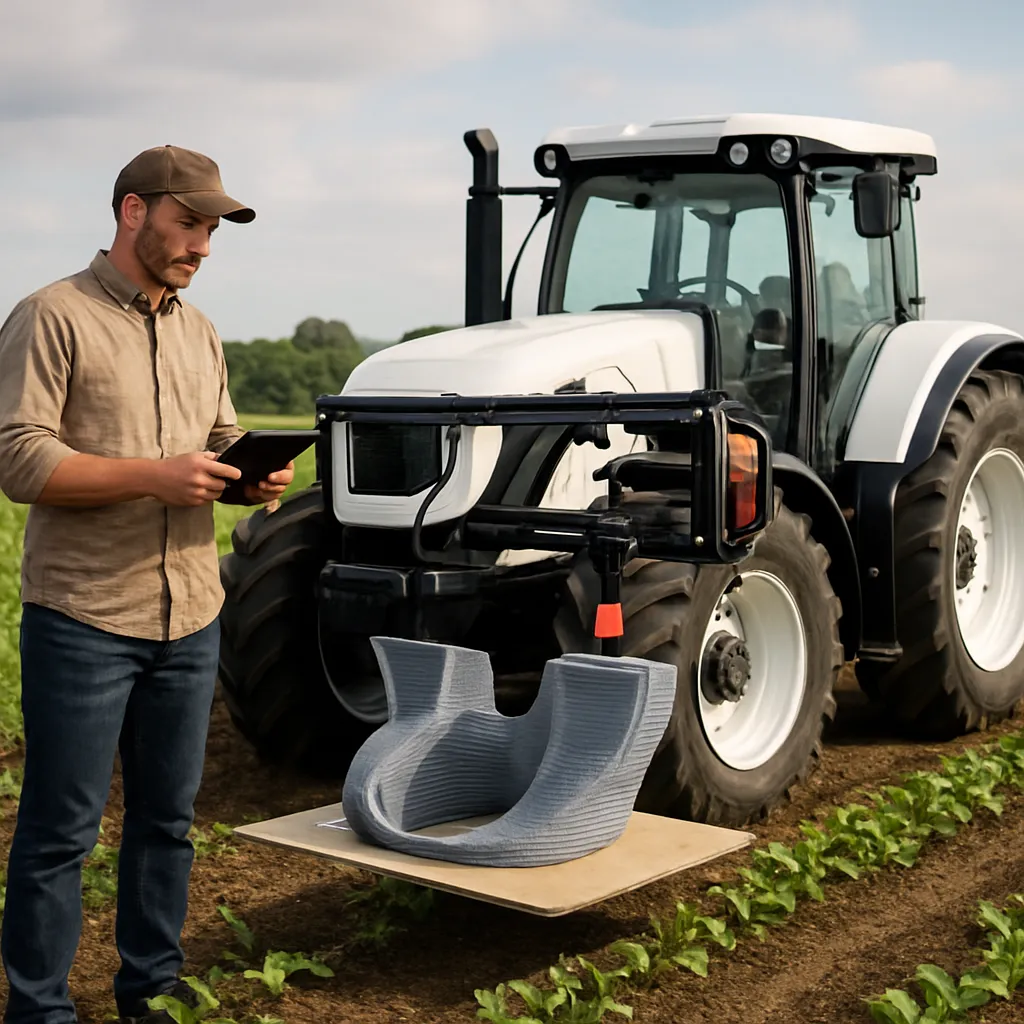
Automated Machinery and Robotics
Automation is no longer science fiction. Robotic harvesters, milking machines, and weeding bots are increasing efficiency and allowing farmers to focus on high-level planning. Small-scale enterprises can even lease or share robots to keep capital investment low while boosting output.
Embracing Digital Platforms for Growth
Beyond the field, digital ecosystems connect stakeholders, streamline operations, and open new revenue streams. Entrepreneurs can capitalize on platforms tailored to various aspects of the agri-food chain.
Supply Chain Transparency
- Implement blockchain solutions to track products from farm to table. Consumers appreciate transparency, and verified origin labels can command premium prices.
- Leverage mobile apps to coordinate logistics, manage orders, and predict demand spikes, reducing spoilage and maximizing profitability.
Marketplace Innovations
Online marketplaces designed for farmers eliminate middlemen and bring buyers and sellers closer. Young entrepreneurs can develop or partner with platforms that facilitate direct sales of fresh produce, artisanal food products, or even seeds and seedlings.
IoT and Real-Time Monitoring
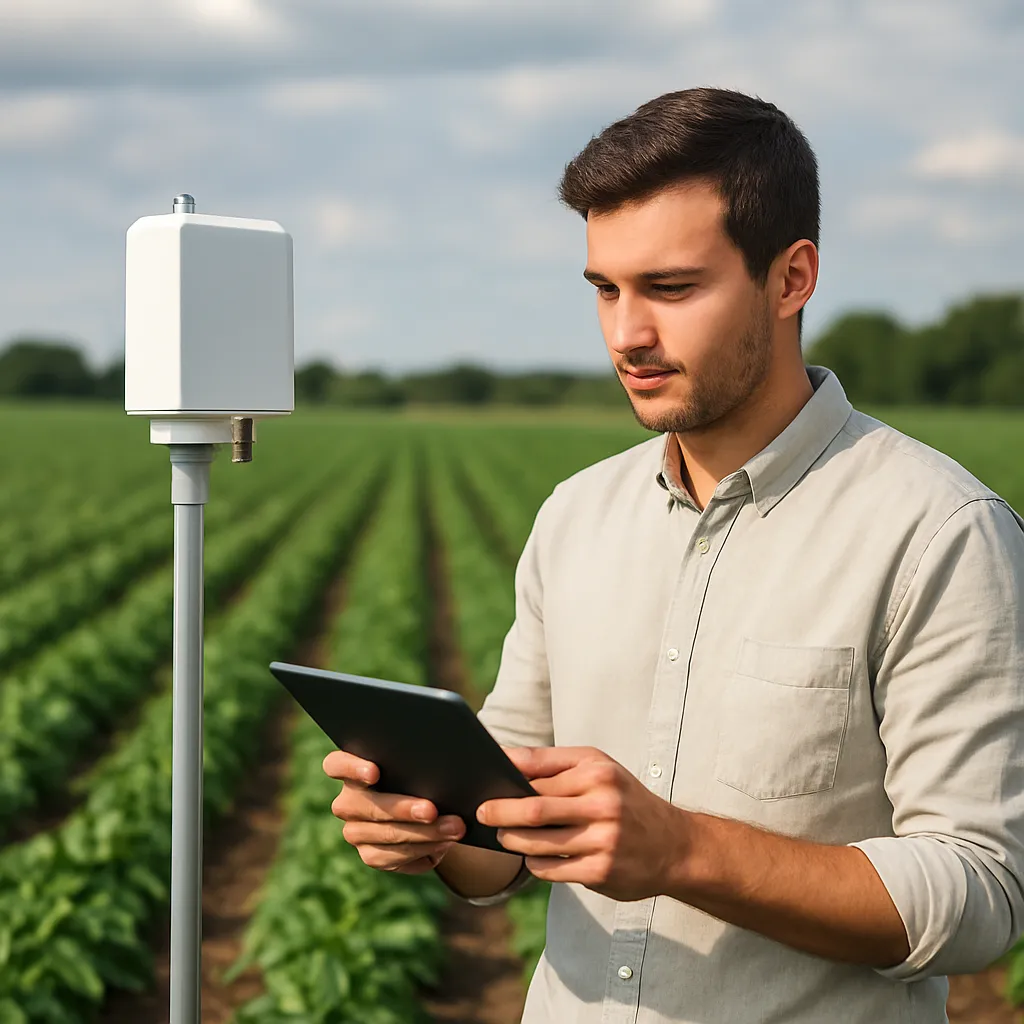
Smart sensors deployed across fields track moisture, nutrient levels, and weather conditions. Connected via the IoT, these devices feed live data into cloud dashboards, empowering farmers to make immediate adjustments and avoid costly mistakes.
Sustainable Practices and Climate-Smart Strategies
As climate challenges intensify, agriculture must adapt. Sustainability is not just an ethical choice but a business advantage. Consumers and regulators alike favor eco-friendly operations, making it a vital consideration for new ventures.
Water Conservation Techniques
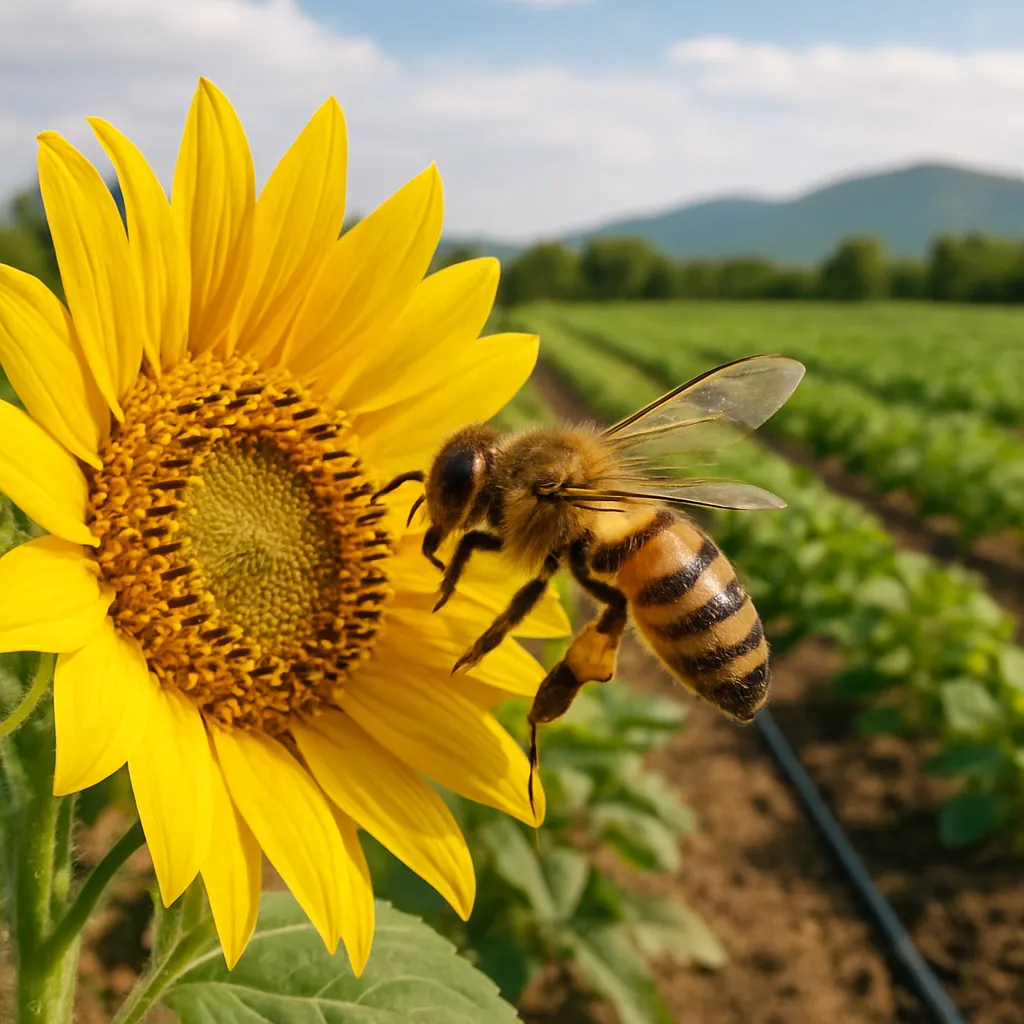
- Drip irrigation systems deliver water directly to plant roots, cutting waste by up to 60% compared to traditional spraying methods.
- Rainwater harvesting and storage ponds help farms maintain reserves during dry spells, fostering resilience against drought.
Soil Health and Regenerative Methods
Healthy soil underpins productive farming. Practices such as cover cropping, crop rotation, and reduced tillage boost organic matter, sequester carbon, and support beneficial microorganisms. Implementing these methods can yield long-term savings while improving crop quality.
Energy-Efficient Infrastructure
Installing solar panels, wind turbines, or biogas digesters helps farms generate renewable energy, lowering utility costs and reducing carbon footprints. Pairing these systems with energy storage solutions further enhances operational sustainability.
Unlocking Entrepreneurial Opportunities in AgriTech
The convergence of farming and technology has given rise to a vibrant startup ecosystem. Young entrepreneurs can tap into various niches, from biotech and digital services to equipment leasing and consulting. Below are key areas ripe for innovation.
Biotechnology and Crop Genetics
Advances in genetic editing and breeding techniques enable the creation of drought-resistant, pest- and disease-tolerant crop varieties. Startups focused on trait development can accelerate adoption by partnering with seed companies and research institutions.
Agri-Fintech Solutions
Farmers often struggle to access capital. By developing credit scoring algorithms based on remote-sensing data, digital lenders can lower barriers to financing. Mobile wallets and blockchain-based contracts also facilitate secure and transparent transactions.
Consulting and Training Services
Even the most advanced tools deliver limited value without training. Offering educational programs, workshops, and in-field demonstrations helps farmers adopt new practices confidently. Virtual reality (VR) and augmented reality (AR) can simulate scenarios for hands-on learning without risking crops.
Practical Tips for Aspiring AgriTech Founders
- Engage with farmers early: Field trials and pilot programs provide critical feedback and build trust within rural communities.
- Collaborate with research institutions: Tap into cutting-edge studies, access testing facilities, and co-develop solutions.
- Pursue grants and competitions: Governments and NGOs often sponsor innovation challenges, offering funding and mentorship.
- Focus on user-centric design: Simplicity and ruggedness are vital for field equipment used in remote areas.
- Plan for scalability: Ensure your solution can adapt to farms of varying sizes and across different geographies.
Future Outlook and Impact on Global Food Security
Integrating climate-smart practices and advanced technologies positions agriculture to meet the demands of a growing population. By fostering resilient, efficient, and equitable systems, the next generation of agri-entrepreneurs will play a pivotal role in ensuring food security worldwide.
Global Collaboration and Knowledge Sharing
Platforms that connect stakeholders—from smallholder farmers to international investors—will enable rapid diffusion of best practices. Open-source research and community-driven initiatives can accelerate breakthroughs.
Adapting to New Challenges
Whether faced with emerging pests, extreme weather events, or market fluctuations, agility and continuous innovation will define success. Entrepreneurs who embrace a holistic mindset—balancing precision, sustainability, and social impact—will lead agriculture into a prosperous future.