Agriculture stands at the crossroads of tradition and technology, merging centuries-old practices with cutting-edge innovations. Farmers seek ways to boost productivity, improve soil health, and conserve resources. In this evolving landscape, understanding the latest trends and time-tested methods can help growers of all scales achieve greater success. From high-tech solutions to practical home garden tips, this article explores multiple facets of modern agriculture.
Advancements in Modern Farming
Precision Agriculture and Tech Integration
Precision agriculture leverages data-driven methods to optimize resource use and maximize outputs. By deploying sensors, satellite imagery, and GPS-enabled equipment, farmers can monitor field conditions in real time. Key benefits include:
- Targeted fertilizer and nutrient application to reduce waste and costs
- Variable-rate irrigation for efficient water management
- Field mapping to identify zones of varying soil fertility and moisture
These tools foster a more sustainable approach, enabling growers to track crop development and adjust practices dynamically. Data analytics platforms aggregate information from multiple sources, offering actionable insights that can enhance decision-making.
3D Printing in Agricultural Applications
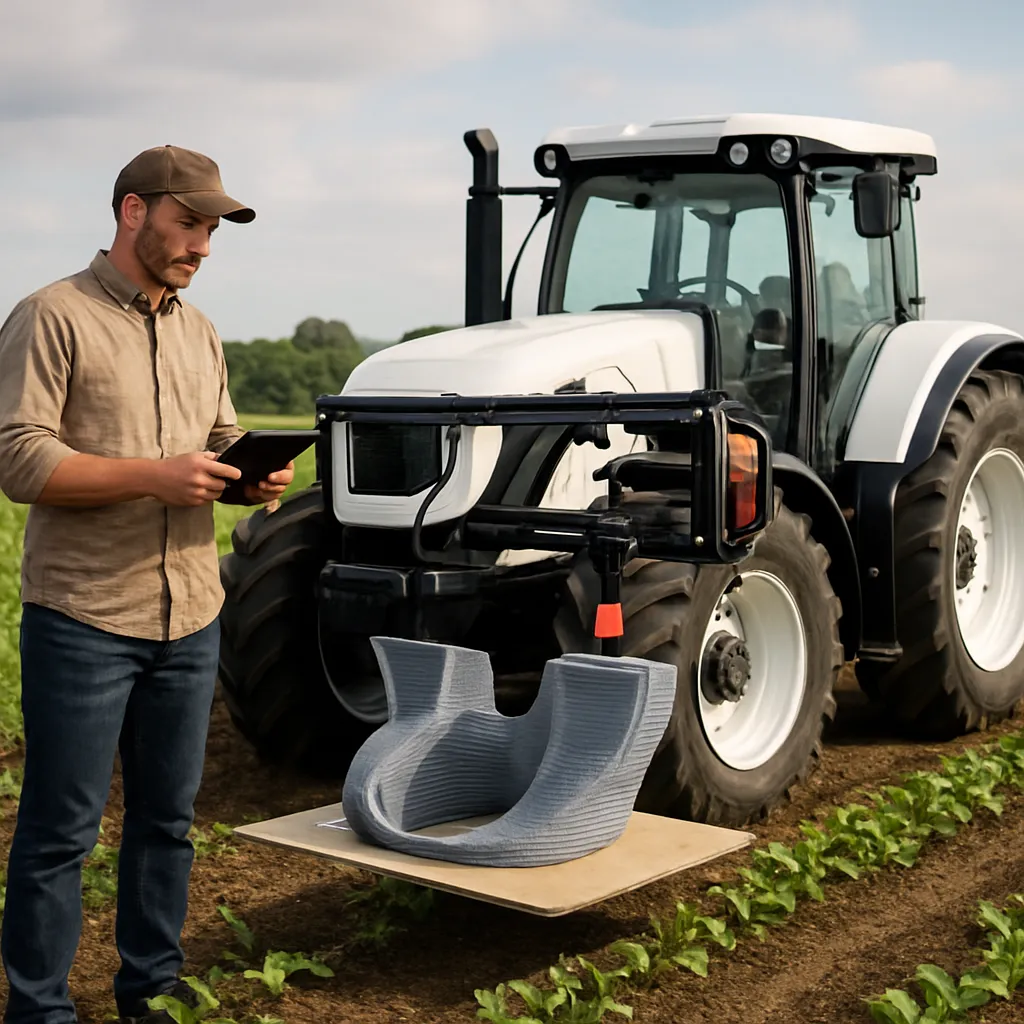
Recent years have seen the rise of innovation through 3D printing, a technology once limited to prototyping. In the agricultural sector, it provides rapid, cost-effective solutions such as:
- Custom-designed irrigation nozzles tailored to specific field layouts
- Replacement parts for farming machinery, reducing downtime and shipping delays
- Specialized seed planters that ensure uniform spacing and depth
By producing on-demand components, 3D printing accelerates maintenance cycles and promotes local manufacturing. This shift empowers farmers to react swiftly to equipment failures and tailor tools for niche operations, improving overall efficiency.
Soil Health, Water Management, and Sustainability
Maintaining Nutrient-Rich Soil
Healthy soil is the foundation of any successful farm. Key strategies include:
- Cover cropping to protect against erosion and fix atmospheric nitrogen
- Crop rotation to break pest cycles and enhance nutrient balance
- Composting organic residues to replenish soil organic matter
Regular soil testing guides tailored amendments, ensuring proper levels of nitrogen, phosphorus, and potassium. Incorporating organic matter also improves soil structure, water retention, and microbial activity.
Optimizing Irrigation Techniques
Water scarcity and rising costs make efficient irrigation essential. Popular methods encompass:
- Drip irrigation systems that deliver water directly to the root zone, reducing evaporation
- Soil moisture sensors that trigger automated watering only when needed
- Rainwater harvesting and storage to supplement irrigation supplies
By combining smart controllers with weather forecasting, growers can conserve water resources while sustaining healthy crop growth.
Crop Protection and Pest Management
Integrated Pest Management (IPM)
Integrated Pest Management offers a holistic framework to control pests with minimal environmental impact. Core components include:
- Biological controls such as beneficial insects and microbial pesticides
- Monitoring for early detection using pheromone traps and regular scouting
- Targeted chemical treatments only when threshold levels are exceeded
Employing IPM helps preserve beneficial organisms, reduce chemical residues, and improve long-term farm resilience.
Fungal and Disease Control
Fungal diseases can devastate yields if left unchecked. Preventive measures involve:
- Ensuring proper plant spacing to enhance air circulation
- Selecting disease-resistant cultivars through plant breeding technologies
- Applying biostimulants and organic fungicides at critical growth stages
Maintaining a balanced soil microbiome through organic amendments also suppresses pathogens and promotes plant vigor.
Practical Tips for Small-Scale and Home Gardens
Maximizing Yields in Limited Spaces
Even backyard gardeners can employ advanced methods to boost harvests:
- Vertical gardening using trellises and containers to optimize square footage
- Succession planting to stagger harvests and maintain continuous production
- Intercropping compatible species to utilize space and deter pests naturally
Companion planting pairs vegetables and flowers that support mutual growth and pest control, yielding a more productive environment.
Soil Preparation and Amendment for Garden Beds
Preparing garden soil involves deep tilling or double-digging to improve drainage and root penetration. Incorporate:
- Aged compost and well-rotted manure for organic nutrient supply
- Mulches to conserve moisture, suppress weeds, and stabilize soil temperature
- pH adjustments with lime or sulfur to match crop requirements
These steps ensure fertile ground, supporting vigorous seedlings and robust growth throughout the season.
Embracing Future Trends and Innovations
Biotechnology and Genetic Advances
Modern plant breeding techniques, including CRISPR gene editing, aim to develop crops with enhanced resistance to drought, pests, and disease. These advancements promise higher yields under challenging environmental conditions.
Automation and Robotics
Autonomous tractors, robotic planters, and harvesters reduce labor demands and improve operational precision. By integrating machine learning and AI-driven vision systems, robots can identify weeds, assess crop health, and harvest produce selectively.
Regenerative Agriculture
Regenerative practices focus on reversing land degradation by increasing soil carbon sequestration. Techniques such as no-till farming, agroforestry, and holistic grazing management contribute to healthier ecosystems and more resilient food systems.