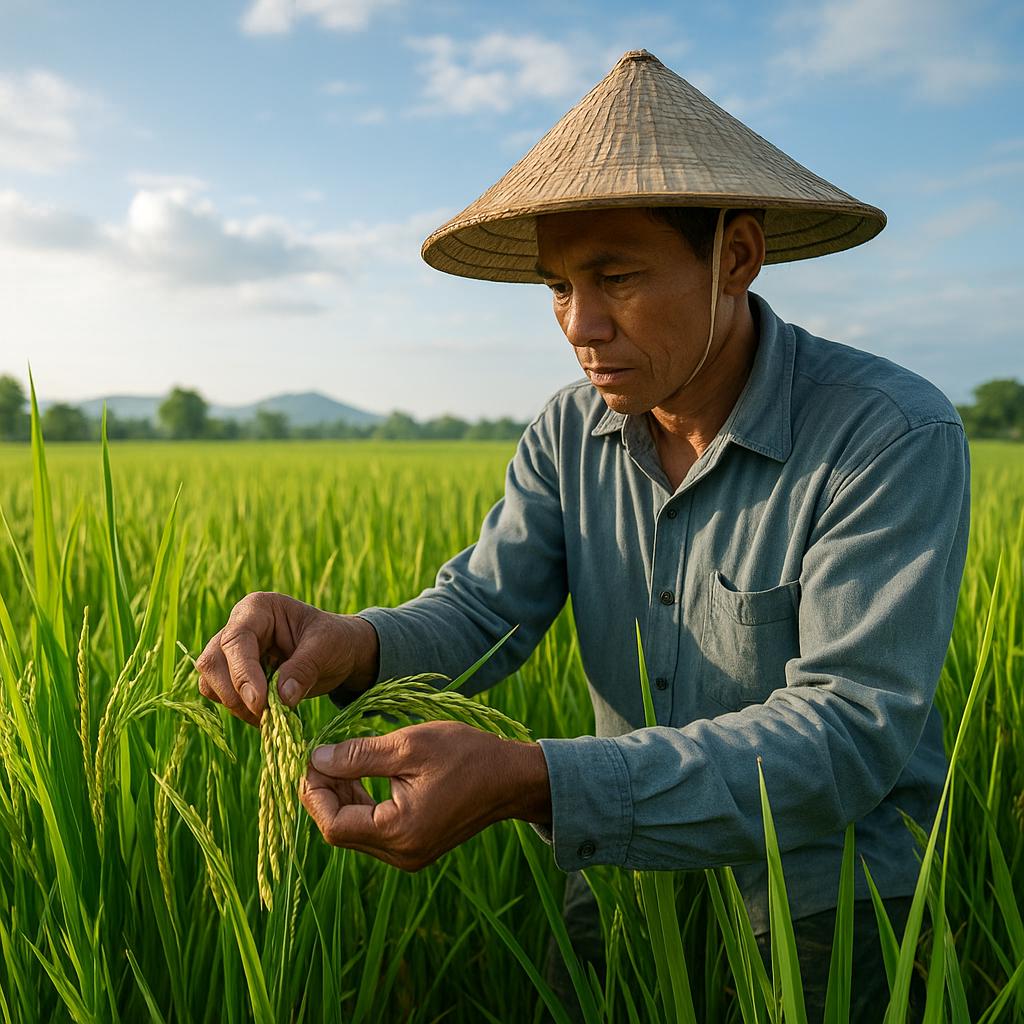
Rice cultivation, like many forms of farming, thrives on the marriage of time-tested experience and modern innovation. By understanding the interplay between soil characteristics, water management, nutrient supply, and pest control, farmers can optimize their operations for improved productivity and environmental stewardship. The following guidance outlines essential tips to enhance farm performance, focusing on practical, field-proven techniques that boost resilience and profitability.
Understanding Soil Health and Fertility
Importance of soil structure and Composition
Healthy soil is the bedrock of any successful agricultural endeavor. When soil particles bind to form aggregates, pore spaces remain to store air and water, facilitating root growth and nutrient absorption. Maintaining soil fertility requires balancing organic matter content with mineral nutrients. Over time, poor tillage practices or monocropping can degrade structure, reducing permeability and biological activity. To reverse this, farmers should:
- Incorporate cover crops such as legumes to add biomass and fix atmospheric nitrogen.
- Use reduced or no-till methods to preserve aggregate stability and microbial habitats.
- Avoid compaction by restricting heavy machinery movement when soil is excessively wet.
Testing and Monitoring Soil Nutrients
Regular soil testing uncovers deficiencies in key elements like phosphorus, potassium, and micronutrients. By linking lab results with site-specific recommendations, growers can apply fertilizers more efficiently, cutting waste and environmental runoff. A simple program might involve:
- Sampling fields in a grid pattern to capture variability.
- Testing pH levels annually and adjusting with lime or sulfur amendments.
- Tracking organic carbon changes as a proxy for biological health.
Water Management Techniques
Traditional irrigation Methods
In many regions, flood irrigation or furrow systems remain dominant. Although easy to implement, they often suffer from uneven distribution and high evaporation losses. Improvements include:
- Leveling fields to ensure uniform water application and prevent waterlogging.
- Scheduling irrigation based on crop stage rather than a fixed calendar, reducing waste.
- Creating shallow retention ditches to capture runoff for later reuse.
Advanced Irrigation Systems
Employing modern tools can transform water use efficiency:
- Precision agriculture sensors measure soil moisture and guide automated irrigation events.
- Drip and micro-sprinkler lines deliver water directly to the root zone, minimizing evaporation.
- Smart controllers linked to weather forecasts adjust volumes in response to rainfall predictions.
These investments often yield swift returns by reducing water costs and increasing yield consistency, especially during dry spells.
Nutrient Management Strategies
Organic Amendments and Composting
Organic matter underpins soil health by feeding beneficial microbes and improving moisture retention. Incorporating well-matured compost or manure can:
- Slowly release nitrogen, phosphorus, and potassium over time.
- Buffer pH fluctuations, creating a stable environment for roots.
- Suppress certain soilborne diseases through competition and enzymatic activity.
Balanced Fertilizer Application
While organics build long-term fertility, targeted mineral fertilizers address immediate crop needs. Key considerations include:
- Applying phosphorus near planting to support early root development.
- Timing nitrogen splits to coincide with vegetative and reproductive stages.
- Utilizing slow-release formulations to reduce leaching in sandy soils.
Pest and Disease Control
Effective pest management combines cultural, biological, and chemical tactics into a cohesive regimen. Overreliance on synthetic pesticides can foster resistance and harm non-target organisms. Instead, adopt an integrated approach:
- Rotate crops to interrupt the life cycles of specialized pests.
- Introduce beneficial insects, such as predatory mites and parasitic wasps, to keep pest populations in check.
- Apply biopesticides like Bacillus thuringiensis where appropriate, preserving natural enemies.
- Monitor fields frequently to detect early signs of infestation or disease spread.
Implementing Integrated Pest Management (IPM)
IPM emphasizes prevention and minimal chemical use. Key steps include:
- Establishing economic thresholds that trigger control measures only when necessary.
- Deploying pheromone traps to monitor pest pressure and forecast outbreaks.
- Practicing sanitation by removing crop residues that harbor pathogens.
Cultivation Practices and Crop Rotation
Raised Beds and Direct Seeding
Forming raised beds enhances drainage and warms the rooting zone for early planting. Direct seeding on these beds can cut labor and fuel costs compared to transplanting. Benefits include:
- Reduced soil compaction by limiting tractor passes.
- Better aeration and rapid root establishment.
- Opportunities to interplant cover crops between rows, adding diversity and suppressing weeds.
Rotation and Diversification
Shifting between cereals, legumes, and oilseeds disrupts pest cycles and balances nutrient demands. A typical rotation might follow rice with a leguminous cover crop, then a vegetable or fruit crop. Advantages encompass:
- Natural nitrogen fixation by legumes, improving subsequent cereal performance.
- Reduction in disease carryover, as many pathogens specialize in one host.
- Enhanced market opportunities by spreading risk across different commodities.
By integrating these practices—optimizing soil fertility, refining water management, tailoring nutrient inputs, and embracing holistic pest control—farmers can achieve resilient, high-performing systems. The synergy between traditional knowledge and innovative technology paves the way for more profitable, environmentally responsible agriculture.