Mulching has become an indispensable practice in modern agriculture, offering a sustainable solution to a range of cultivation challenges. By incorporating protective layers of organic or inorganic materials over the soil surface, growers can significantly enhance crop performance while conserving valuable resources. This article explores the multifaceted advantages of mulch application, shares practical tips for maximizing results, and highlights real‐world examples of how strategic mulching contributes to thriving fields and orchards.
Understanding Mulch and Its Types
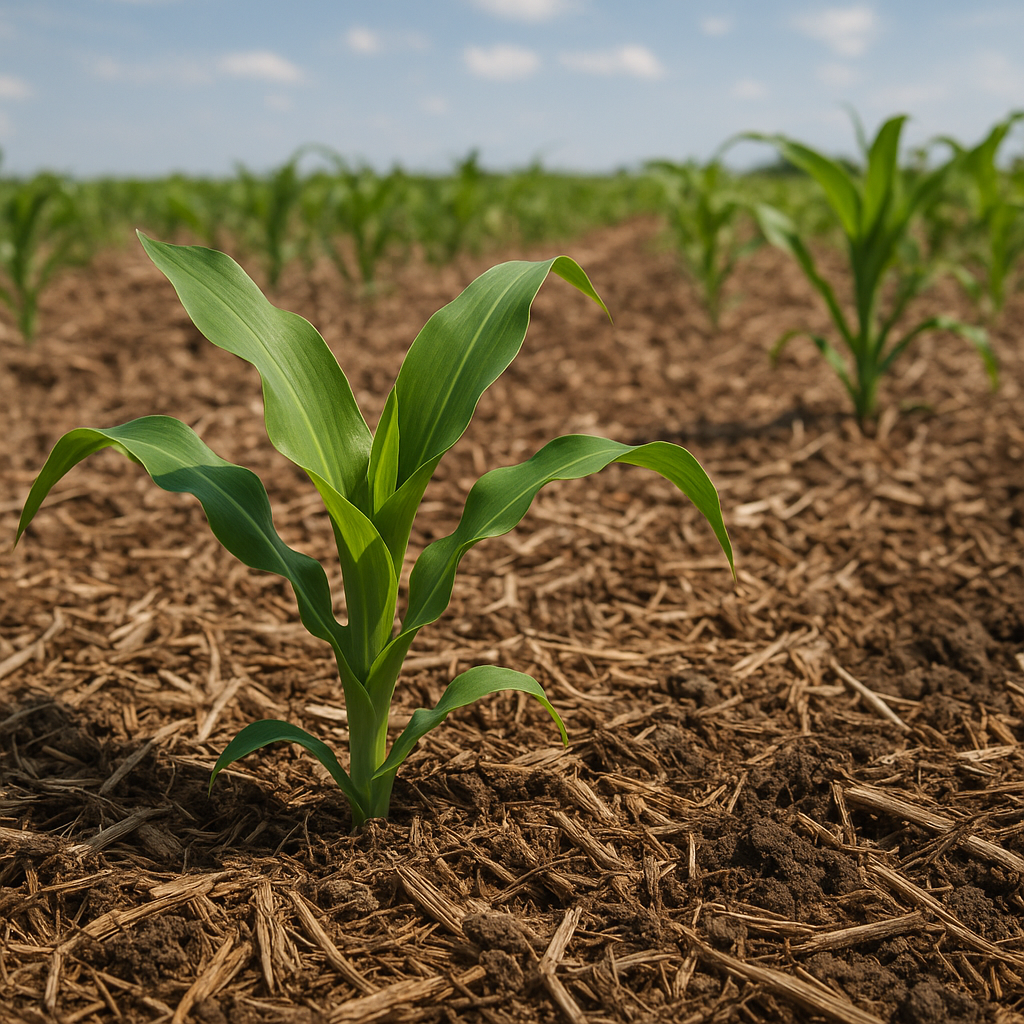
Mulch refers to any material applied to the soil surface that serves to protect and nourish the underlying ground. Farmers and gardeners rely on a variety of mulch options, each with unique properties and applications:
- Organic mulch: Comprised of natural materials such as straw, wood chips, compost, leaves, and grass clippings. Over time, it undergoes decomposition, releasing vital nutrients and improving soil structure.
- Inorganic mulch: Includes plastic sheeting, landscape fabric, gravel, and stones. These remain largely unchanged, offering durable weed suppression and moisture control.
- Biodegradable films: Made from cornstarch or other plant-based polymers, these materials combine the benefits of plastic mulches with eco-friendly breakdown over the season.
Choosing the right type depends on crop requirements, climate conditions, and long-term sustainability goals. While organic mulches boost soil health and biodiversity, inorganic options often excel at temperature moderation and cost-effectiveness over multiple seasons.
Key Benefits of Mulch in Crop Production
When properly applied, mulch delivers a suite of advantages that directly influence plant growth and farm profitability:
- Enhanced Soil Moisture Retention
Mulch reduces water evaporation by shading the soil surface, leading to consistent moisture levels. This minimizes irrigation frequency and helps crops endure dry spells. - Weed Suppression
A thick mulch layer blocks sunlight, preventing most weeds from germinating. As a result, labor or chemical inputs for weed control can be greatly reduced. - Temperature Regulation
By acting as an insulating blanket, mulch moderates soil temperature. Cooler roots in summer and warmer protection in early spring promote earlier planting and prolonged growing seasons. - Erosion Prevention
Surface runoff is slowed by mulch, cutting down on erosion and nutrient loss during heavy rains. This preserves topsoil and reduces sedimentation in nearby waterways. - Nutrient Cycling and Soil Fertility
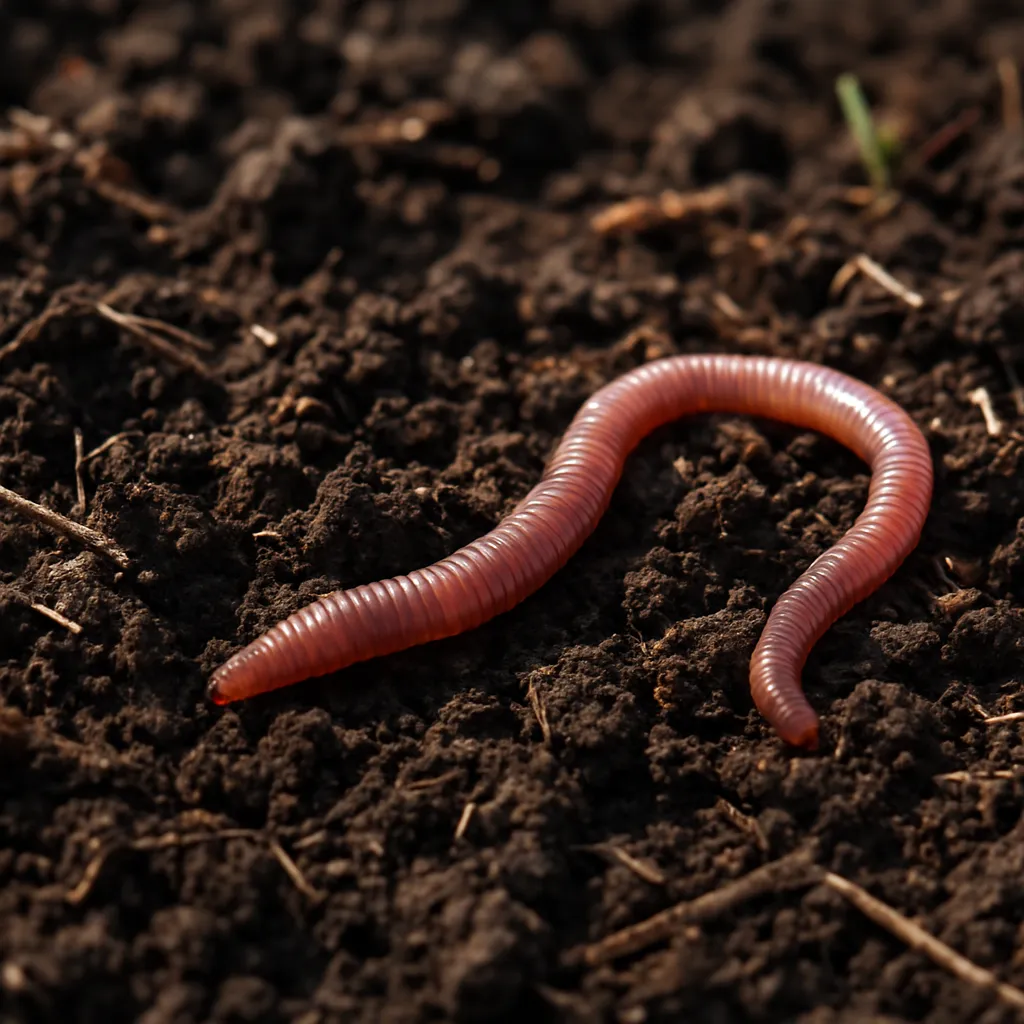
Organic mulches decompose gradually, supplying a steady stream of nutrients to developing plants. This process also encourages beneficial microbes and earthworms that enhance overall fertility. - Improved Crop Yield and Quality
Consistent moisture, stable temperatures, and reduced stress factors combine to boost crop yield and enhance fruit or grain quality, making mulching a high-impact investment.
Application Tips for Effective Mulching
To fully harness the potential of mulch, consider the following best practices:
Site Preparation
- Clear the planting area of debris and perennial weeds.
- Loosen compacted soil to promote root penetration and mulch integration.
Material Selection and Thickness
- Apply organic mulches at a depth of 5–10 cm (2–4 inches) to balance weed suppression with adequate air circulation.
- For plastic mulch, ensure proper anchoring at the edges to prevent wind uplift and backing up of water.
- Avoid over‐mulching tree trunks or stem bases to reduce the risk of rot and pest harboring.
Timing and Replenishment
- Lay mulch after soil has warmed sufficiently in spring but before seedlings emerge.
- Inspect mid-season for thinning; add fresh layers of compost or straw as needed to maintain target depth.
- Remove or till under remaining mulch at the end of the season to prepare for winter or next crop rotation.
Irrigation and Fertilization Considerations
- Use drip or subsurface irrigation systems beneath mulch to deliver water directly to roots.
- Monitor soil nutrient levels regularly; organic mulches contribute, but supplemental fertilizers may still be required for high‐demand crops.
Enhancing Soil Health and Sustainability
Beyond immediate crop benefits, mulching aligns with long-term environmental stewardship:
- Soil Organic Matter Accumulation
Continuous application of organic mulch builds up organic matter, improving soil aggregation, aeration, and water infiltration. - Reduced Carbon Footprint
By cutting down on fuel‐intensive irrigation and chemical herbicides, farms lower greenhouse gas emissions and operational costs. - Encouragement of Beneficial Flora and Fauna
Mulch layers create habitats for earthworms, predatory insects, and mycorrhizal fungi, all of which contribute to a thriving agroecosystem. - Flexible Integration with Conservation Practices
Pairing mulch with cover crops or no‐till techniques magnifies soil protection and efficiency, fostering resilience against extreme weather events.
Implementing a well‐planned mulching strategy not only elevates crop performance but also safeguards the land for future generations. As farms face mounting pressures from climate variability and resource scarcity, adopting mulch practices stands out as a practical step toward sustainable, high-yield agriculture.