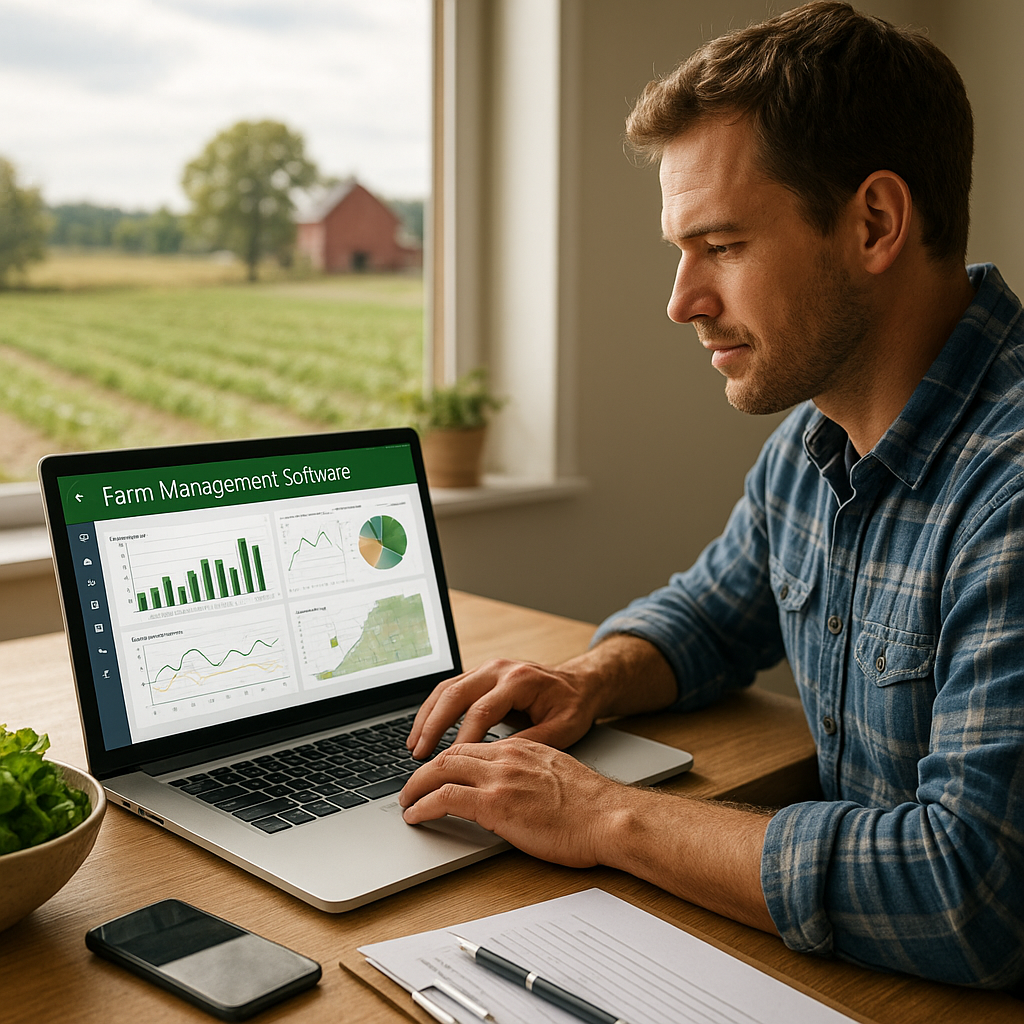
Integrating modern farm management software can revolutionize the way agricultural enterprises operate. By harnessing cutting-edge technology and comprehensive digital tools, farmers can achieve unprecedented levels of efficiency, accuracy, and profitability. From real-time monitoring of field conditions to predictive analytics for crop planning, specialized platforms empower growers to make smarter decisions and streamline daily operations.
Adopting Farm Management Software for Operational Excellence
Understanding Core Functionalities
Farm management software offers a broad suite of features designed to automate routine tasks and centralize vital information. Whether you manage livestock, row crops, or specialty produce, a robust system can track inputs, monitor machinery, and coordinate labor schedules with ease. The following capabilities are at the heart of many leading solutions:
- Real-time field and equipment monitoring
- Inventory control for seeds, fertilizers, and chemicals
- Financial tracking including expenses, invoices, and budgets
- Compliance reporting for food safety and regulatory agencies
Key Benefits for Daily Operations
By digitizing manual records and paper logs, farm managers can drastically reduce the risk of human error. Automated alerts keep teams informed about upcoming tasks and machinery maintenance, minimizing downtime. In addition, a centralized dashboard provides a snapshot of resource usage, helping to identify inefficiencies and prioritize areas for improvement.
- Faster response to field issues through mobile alerts
- Reduced administrative burden and paperwork
- Improved communication between management and field crews
- Enhanced traceability of produce from seed to sale
Implementing these functions yields significant gains in productivity and resource allocation, ensuring that every hour spent in the field contributes to overall profitability.
Leveraging Data for Smarter Farming Decisions
Collecting and Analyzing Critical Metrics
Modern platforms tap into multiple data streams—soil sensors, weather stations, drones, and satellite imagery—to build a holistic picture of farm conditions. By applying analytics and machine learning, managers can predict pest outbreaks, optimize planting windows, and adjust irrigation schedules dynamically. The emphasis on data-driven insights elevates traditional practices to a new level of precision.
- Soil moisture and nutrient mapping
- Localized weather forecasting
- Crop health and canopy analysis via UAVs
- Yield estimation and harvest timing models
Transforming Insights into Actions
Raw data becomes powerful when translated into clear recommendations. Dashboards highlight critical trends, allowing managers to pivot strategies quickly. For example, if rainfall predictions indicate a dry spell, irrigation can be ramped up in specific zones to maintain optimal growth. Conversely, excess moisture alerts avert the risk of waterlogging and root disease.
With the right software at hand, farmers gain a competitive edge by making proactive adjustments—reducing waste, improving crop quality, and maximizing profitability. Each decision is backed by solid evidence, eliminating guesswork and sharpening overall farm performance.
Enhancing Sustainability and Reducing Environmental Impact
Embracing Precision Agriculture Techniques
Addressing environmental challenges has become crucial for modern agriculture. Farm management software supports sustainable practices by enabling precise application of inputs—water, fertilizers, and pesticides—only where and when needed. This targeted approach safeguards ecosystems, prevents runoff, and preserves valuable natural resources.
- Variable-rate seeding and fertilization
- Automated irrigation scheduling based on sensor feedback
- Integrated pest management alerts
- Carbon footprint tracking and reduction planning
Balancing Yield and Conservation
Software-driven resource management promotes sustainability without sacrificing output. By continuously monitoring field performance, farmers can identify underperforming zones and apply corrective measures—such as soil amendments or cover crops—to restore soil health. Over time, these efforts build resilience, enhance biodiversity, and reduce long-term input costs.
Moreover, many solutions include modules for regulatory compliance and environmental reporting. Automated audits track chemical use, water consumption, and waste disposal, simplifying documentation for certification programs and safeguarding community relations.
Implementation Strategies and Best Practices
Ensuring a Smooth Transition
Adopting new technology requires careful planning and stakeholder engagement. A successful rollout hinges on clear objectives, staff training, and ongoing support. Consider the following best practices when integrating farm management software:
- Assess farm-specific needs and prioritize essential features
- Secure reliable internet connectivity across all fields
- Plan a phased rollout, starting with a pilot zone
- Invest in comprehensive training for managers and field crews
- Establish data backup and cybersecurity protocols
- Collaborate with vendors to customize workflows and integrations
Maximizing Return on Investment
To fully capitalize on software benefits, track key performance indicators from day one. Monitor changes in labor efficiency, input usage, and yield quality. Regularly review system-generated reports to identify improvement areas and adjust configurations as your operation evolves. By adopting an iterative approach, you ensure continuous optimization and sustained value.
Integrating farm management platforms with existing tools—such as accounting software, weather services, and machinery telematics—creates a unified ecosystem. This integration fosters seamless data flow, eliminates manual transfers, and boosts overall operational transparency.
Practical Tips for Ongoing Success
Building a Culture of Continuous Improvement
Technology alone does not guarantee success. Cultivate a mindset of innovation and adaptability among your team. Encourage feedback on software usability and leverage vendor resources—webinars, user groups, and help desks—to address challenges promptly.
- Schedule regular system audits and software updates
- Document standard operating procedures and best practices
- Use traceability features to investigate production issues swiftly
- Foster cross-department communication to share insights
- Leverage mobile apps for real-time data entry and access
By nurturing a collaborative environment and continuously refining workflows, agricultural operations can remain resilient in the face of evolving market demands and climate uncertainties. Farm management software serves as the backbone of this transformation, empowering growers to thrive sustainably and profitably.