Launching a successful dairy farming venture requires careful consideration of both agricultural practices and sound business strategies. From selecting the right breed of cows to implementing sustainable methods, each decision influences the overall profitability and long-term viability of the enterprise. This comprehensive guide covers practical advice on setting up a dairy farm, managing herd health, optimizing infrastructure, and tapping into marketing opportunities to achieve maximum returns.
Understanding Dairy Farming Basics
Before investing in land or livestock, gaining a firm grasp of dairy farming fundamentals is essential. Recognizing local market demands, climatic conditions, and available resources helps shape a viable plan.
Selecting the Right Breed
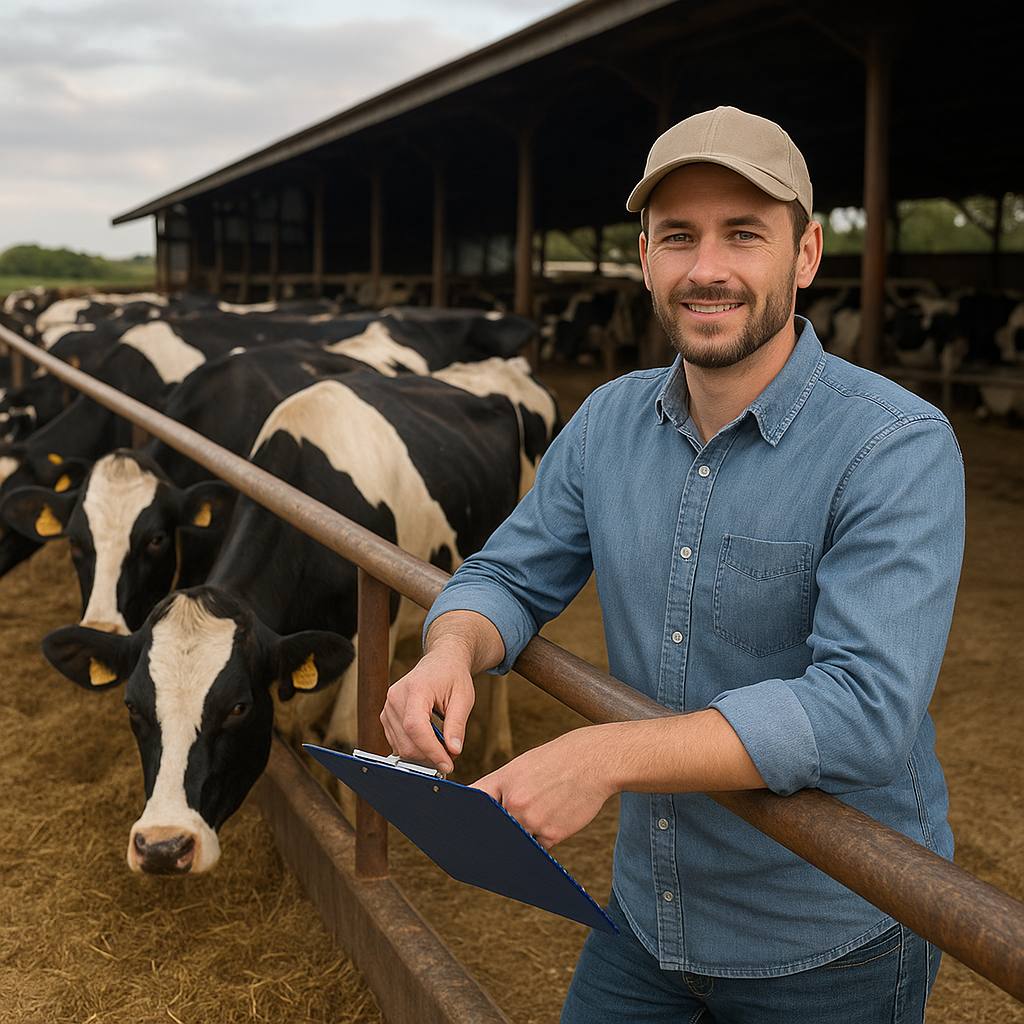
- Holstein Friesian: Known for highest milk yield, ideal for commercial operations with access to quality feed.
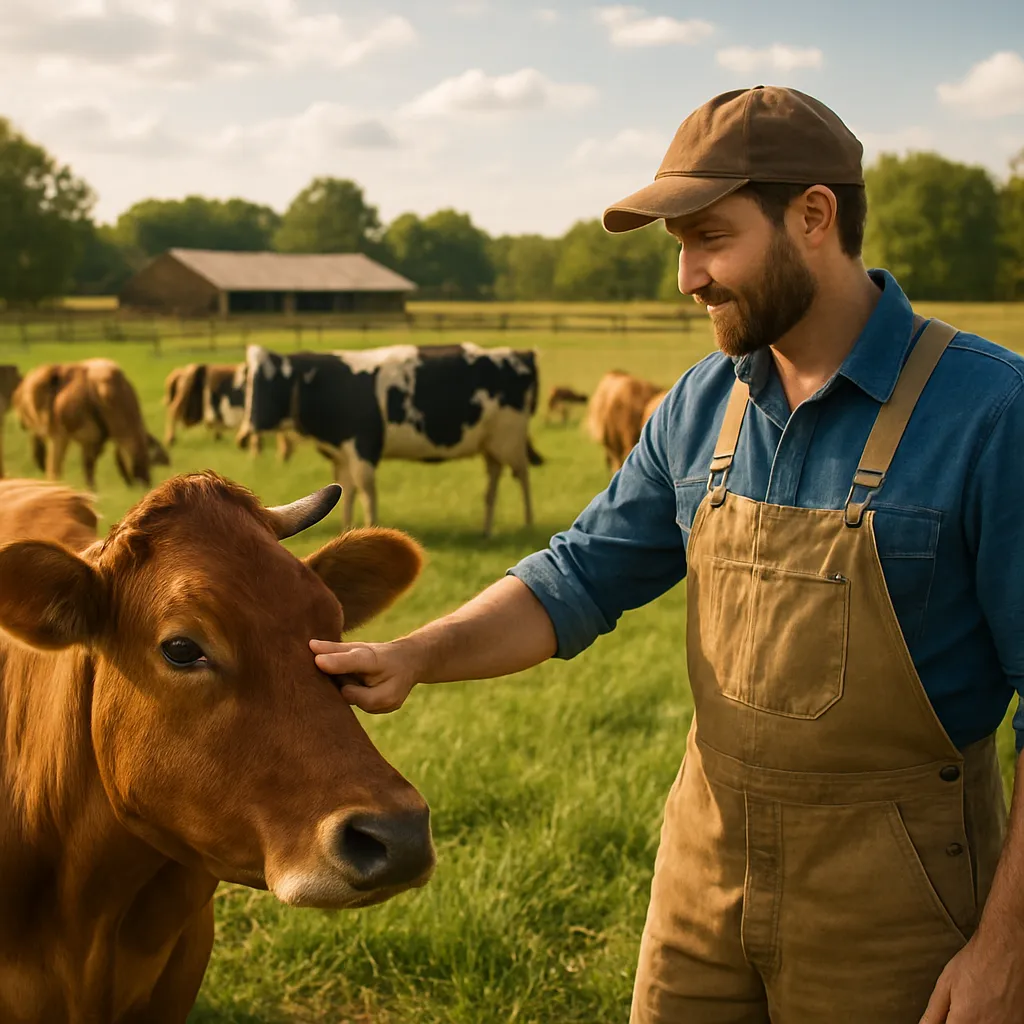
- Jersey: Produces milk with high butterfat content, suitable for specialty dairy products like cheese and yogurt.
- Brown Swiss: Adaptable to diverse climates and valued for strong udder health and longevity.
Understanding Regional Constraints
- Climate Impact: Extreme temperatures affect cow comfort and milk production; invest in proper housing and ventilation.
- Feed Availability: Identify local feed sources to lower transport costs and ensure a consistent supply of nutrients.
- Regulatory Requirements: Comply with state and national standards for animal welfare, milking hygiene, and waste disposal.
Planning Your Dairy Farm Operation
A solid business plan serves as a roadmap, outlining goals, financial projections, and operational frameworks. Early planning reduces risk and attracts potential investors or lenders.
Site Selection and Layout
- Land Quality: Choose well-drained land with access to clean water sources; avoid flood-prone areas.
- Proximity to Markets: Minimize transportation time for fresh milk delivery by positioning near processing plants or urban centers.
- Space Allocation: Dedicate separate zones for milking parlor, housing, feed storage, and manure management.
Financial Management
- Startup Costs: Factor in costs for land acquisition or lease, infrastructure, livestock purchase, and initial feed stocks.
- Budgeting: Plan for recurring expenses including feed, veterinary services, labor, and utilities.
- Funding Sources: Explore grants, low-interest loans, or cooperative partnerships to ease capital burden.
Risk Assessment
- Market Volatility: Implement forward contracts or cooperative marketing to stabilize milk prices.
- Animal Health Crises: Establish an emergency fund and strict biosecurity measures to contain disease outbreaks.
- Climate Variability: Invest in irrigation systems or drought-resistant forage crops to mitigate feed shortages.
Infrastructure and Equipment Requirements
Investing in the right equipment enhances efficiency and reduces labor-intensive tasks. Evaluate automation options and energy-efficient technologies.
Housing and Comfort
- Barn Design: Ensure adequate space per cow, proper bedding, and non-slip flooring to prevent injuries.
- Ventilation Systems: Use fans, ridge vents, or evaporative cooling to maintain optimal temperatures, especially in hot climates.
- Lighting: Install natural and artificial lighting schedules to support cow well-being and stable milk production.
Milking Parlor and Storage
- Parlor Types: Choose between herringbone, rotary, or parallel parlors based on herd size and labor availability.
- Milk Cooling Tanks: Rapidly chill milk to below 4°C to preserve quality and extend shelf life.
- Cleaning Systems: Implement automated wash cycles for milk lines and equipment to maintain high hygiene standards.
Feed and Manure Management
- Feed Silos: Protect feed from moisture and pests; ensure consistent supply of nutrition year-round.
- Manure Handling: Utilize slurry tanks or composting systems to convert waste into valuable fertilizer.
- Environmental Control: Prevent runoff and leaching by constructing proper drainage channels and retention ponds.
Animal Management and Health
Caring for the herd is at the core of any dairy business. Optimal herd performance relies on balanced diets, effective management of reproduction, and vigilant disease prevention.
Nutrition and Feeding Strategies
- Forage Quality: Grow high-protein forages such as alfalfa or clover to boost milk yield and cow health.
- TMR Systems: Total mixed rations ensure every bite delivers a precise blend of energy, protein, and minerals.
- Supplementation: Incorporate vitamins, minerals, and probiotics to enhance digestion and immune function.
Reproductive Management
- Heat Detection: Use electronic sensors or visual observation to identify optimal breeding periods.
- Artificial Insemination: Access superior genetics without the need for on-farm bulls; improve herd quality over time.
- Pregnancy Monitoring: Regular veterinary checks help reduce calving complications and maintain cow health.
Disease Prevention and Veterinary Care
- Vaccination Schedule: Develop a herd-specific immunization plan against common diseases like mastitis and brucellosis.
- Quarantine Protocols: Isolate new or sick animals to minimize disease transmission.
- Record Keeping: Track individual cow health, treatments, and production data for informed decision-making.
Sustainable Practices and Environmental Considerations
Incorporating sustainability into farm operations not only benefits the environment but also reduces long-term costs and meets growing consumer demand for eco-friendly products.
Water Conservation
- Rainwater Harvesting: Collect roof runoff for cleaning and livestock watering to lower municipal water use.
- Efficient Irrigation: Apply drip or sprinkler systems in fodder fields to minimize evaporation losses.
Energy Efficiency
- Solar Panels: Generate renewable electricity for lighting, milking equipment, and pumps.
- Biogas Digesters: Convert manure into methane for cooking or heating, reducing reliance on fossil fuels.
Pasture Management
- Rotational Grazing: Move herds regularly to prevent overgrazing and encourage pasture regrowth.
- Cover Crops: Plant legumes or grasses during off-seasons to improve soil fertility and prevent erosion.
Marketing and Profit Maximization Strategies
Expanding revenue streams and establishing a strong brand can significantly boost farm income. Innovative diversification and direct-to-consumer approaches often yield higher margins.
Value-Added Products
- Artisan Cheeses and Yogurts: Leverage high-quality milk to create gourmet offerings with premium pricing.
- Flavored Milks and Cultured Beverages: Introduce niche products like kefir or flavoured milk shakes.
Direct Marketing Channels
- Farmers’ Markets and CSA: Build customer relationships through community-supported agriculture subscriptions.
- Online Sales and Delivery: Establish an e-commerce platform for doorstep milk deliveries and specialty orders.
- On-Farm Experiences: Offer farm tours, workshops, and tasting events to enhance customer engagement.
Cooperatives and Partnerships
- Dairy Cooperatives: Pool resources with other farmers to negotiate better prices for milk and inputs.
- Institutional Contracts: Secure long-term supply agreements with schools, hospitals, or food processors.