Reducing farm expenses while maintaining or even boosting productivity demands a combination of innovation, strategic planning and attention to detail. By focusing on smarter resource management, adopting appropriate technologies and refining operational workflows, farmers can achieve significant savings without compromising yields. The following sections explore practical approaches to minimize costs, enhance sustainability and secure long-term farm resilience.
Effective Resource Management for Lower Costs
Water and Irrigation Strategies
Water is one of the most valuable inputs on any farm. Implementing precision irrigation systems such as drip or micro-sprinklers reduces waste, minimizes evaporation and delivers moisture exactly where it’s needed. Combining soil moisture monitoring sensors with automated valves can cut water use by up to 30%, lowering utility bills and preserving groundwater.
- Schedule irrigation based on real-time soil moisture data and weather forecasts.
- Repair leaks and regularly inspect pipes to prevent losses.
- Use mulch or cover crops to reduce evaporation and maintain consistent soil moisture.
- Consider rainwater harvesting systems to supplement existing supplies.
Soil Health and Nutrient Optimization
Maintaining fertile, well-structured soil is crucial for maximizing yields and reducing the need for expensive chemical inputs. A program of regular soil testing, combined with targeted amendments, enables farmers to apply only the nutrients crops actually require. Incorporating organic matter through compost or green manures improves soil structure, increases sustainable nutrient availability and lowers erosion risks.
- Rotate crops annually to break pest cycles and restore soil fertility.
- Mix legumes such as beans or clover to enrich nitrogen levels naturally.
- Apply lime or gypsum to adjust pH and improve nutrient uptake.
- Use cover crops during fallow periods to prevent nutrient leaching.
Integrating Intelligent Technology and Automation
Advances in agricultural technology have made it easier than ever to increase efficiency and reduce manual labor. Automated feeders, robotic harvesters and unmanned aerial vehicles (UAVs) for crop monitoring can lower labor costs while improving accuracy. Although the initial investment may be significant, the long-term savings in time and resources typically justify the expense.
Precision Planting and GPS Guidance
GPS-guided tractors and planters ensure seeds are placed at optimal depths and spacing, reducing overlap and underplanting. This precision approach cuts down on seed waste and guarantees uniform crop emergence, leading to more consistent yields across every acre.
Automated Monitoring Systems
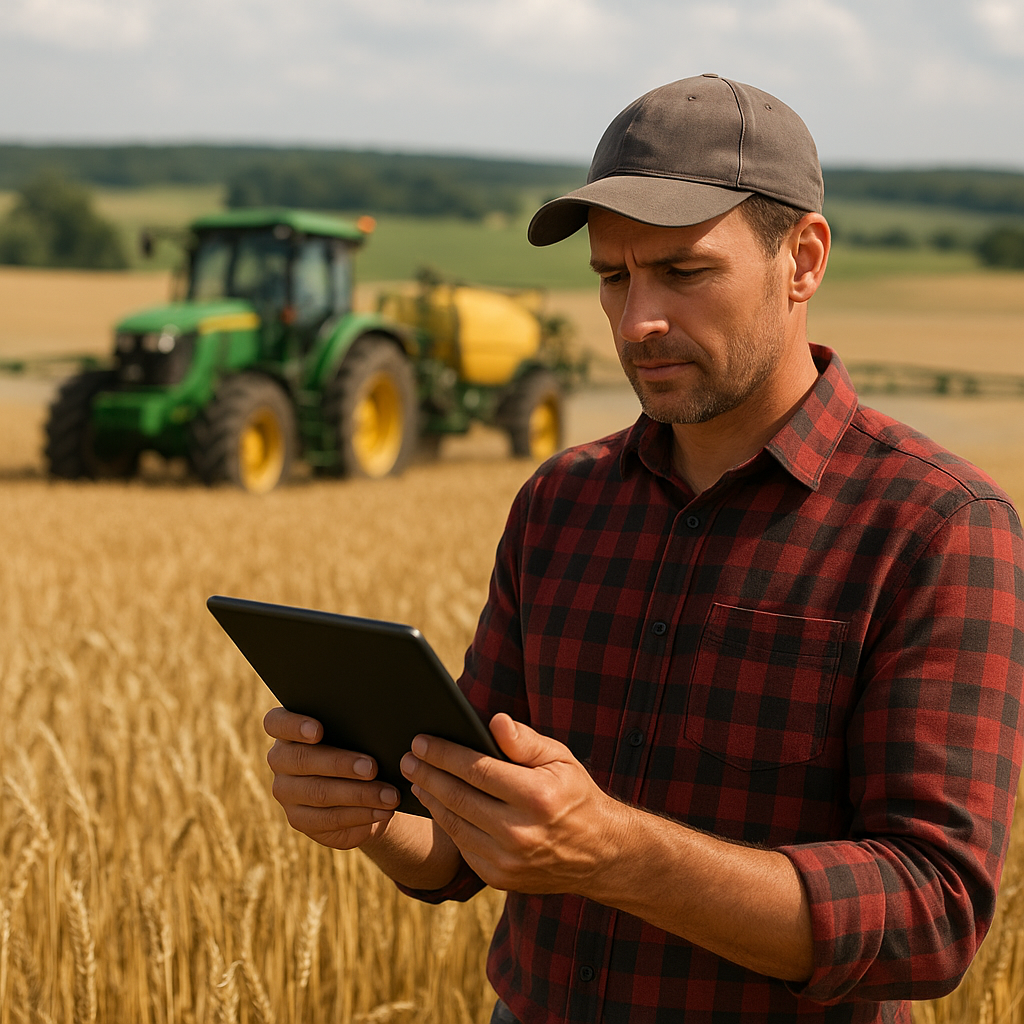
Smart sensors and IoT platforms provide real-time data on soil moisture, nutrient levels and weather conditions. Coupled with automation software, these systems can trigger irrigation, fertilization or pest control measures precisely when needed, preventing overuse of inputs and minimizing labor hours spent on manual checks.
- Deploy drones for aerial mapping to identify stressed areas or early pest outbreaks.
- Install climate-controlled barns and automated feeders to optimize livestock care.
- Use mobile apps to track equipment maintenance schedules and avoid costly breakdowns.
Strategic Crop Selection and Livestock Planning
Choosing the Right Crops for Maximum Profit
Selecting crop varieties that are well adapted to local soil and climate conditions is a powerful way to control input costs. High-yield, disease-resistant cultivars reduce the need for chemical treatments and can thrive with fewer resources. Incorporating diversification by rotating between cereals, legumes and specialty crops spreads market risk and improves long-term resilience.
- Evaluate market demands and prices before choosing high-value or niche crops.
- Integrate cover crops to suppress weeds and replenish nutrients naturally.
- Adopt early-maturing varieties to avoid late-season drought or frost risks.
Efficient Livestock Management
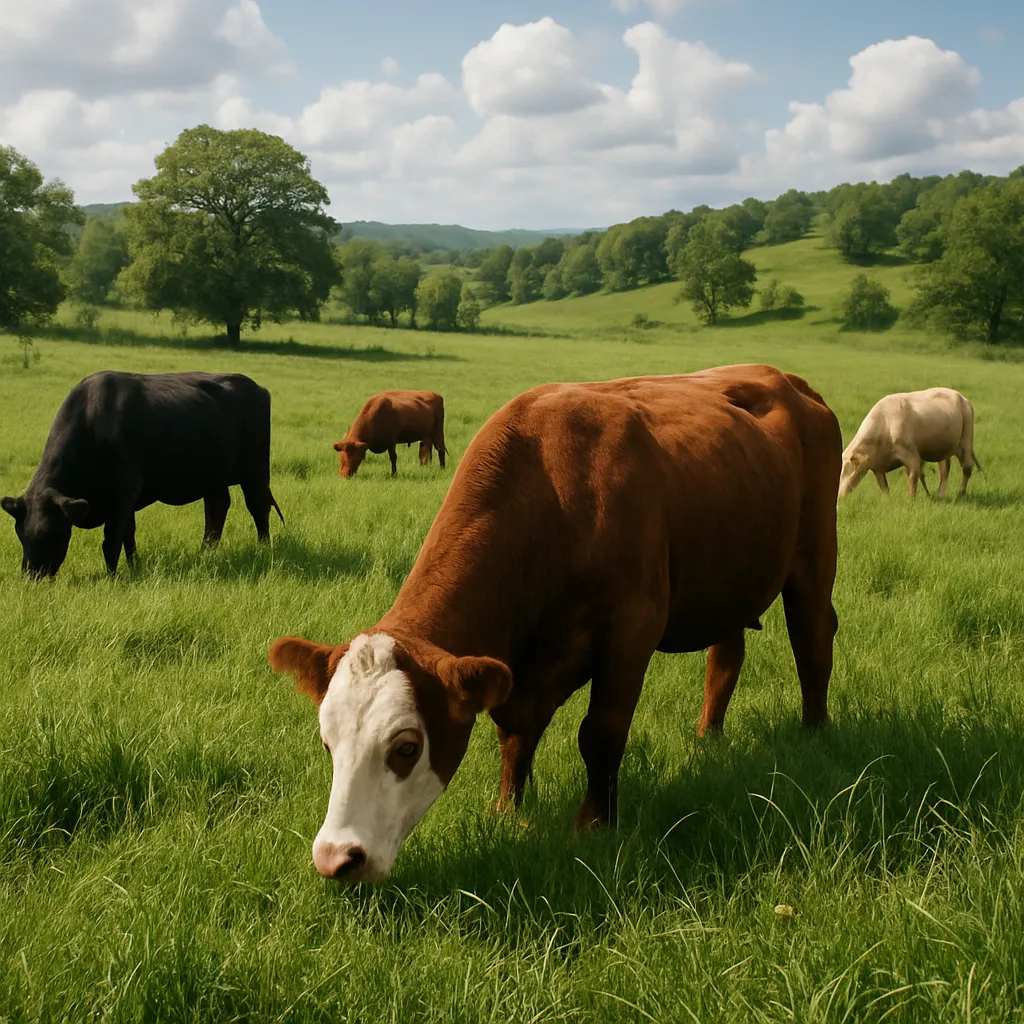
Livestock operations can be a major cost center, but careful planning helps to minimize feed and veterinary bills. By implementing rotational grazing, farmers allow pastures to recover and provide nutrient-rich forage without expensive supplemental feed. Regular health checks and vaccination programs prevent disease outbreaks that could otherwise lead to heavy financial losses.
- Optimize feed rations using local byproducts or farm-grown forages.
- Install waterers with cost-effective heating to prevent freezing in winter.
- Group animals by age or weight to manage nutrition and growth rates precisely.
Financial Planning and Cost Controls
Budgeting and Expense Tracking
A detailed budget that tracks every expense category provides clarity on where money is being spent. Digital accounting tools and farm management software offer real-time visibility into costs, helping farmers make informed choices about where to cut back or reinvest. Regularly reviewing these figures uncovers trends, highlights inefficiencies and supports data-driven decisions.
Leveraging Government Programs and Grants
Many regions offer subsidy programs, low-interest loans or cost-sharing grants for adopting sustainable practices and efficiency upgrades. Staying informed about available financial assistance can offset the upfront costs of equipment, infrastructure improvements or conservation projects.
- Consult local agricultural extension offices for up-to-date program details.
- Participate in cooperative purchasing groups to negotiate bulk discounts.
- Document all improvements meticulously to qualify for reimbursement.
Building Resilience Through Diversification
Spreading production across multiple enterprises reduces the impact of adverse weather, disease or price fluctuations. Whether adding a small apiary, greenhouse vegetables or agroforestry elements, diversification creates multiple revenue streams and stabilizes farm income. This approach also enhances ecosystem health, as a variety of crops and habitats support beneficial insects and pollinators.
Integrating Agroforestry and Pollinators
Planting fruit trees, nut species or windbreaks alongside row crops improves microclimates, retains moisture and provides habitat for pollinators. These systems can yield additional products for sale while boosting the productivity of adjacent fields.
Exploring Value-Added Products
Transforming raw commodities into higher-value goods such as cheese, preserves or dried herbs captures more profit per unit and can be achieved with relatively low capital if approached incrementally. Partnering with local cooperatives or farmers’ markets creates new outlets and strengthens community ties.
- Validate market demand before scaling a value-added line.
- Invest in small-batch equipment to maintain quality control.
- Use branding and storytelling to highlight the farm’s unique practices.