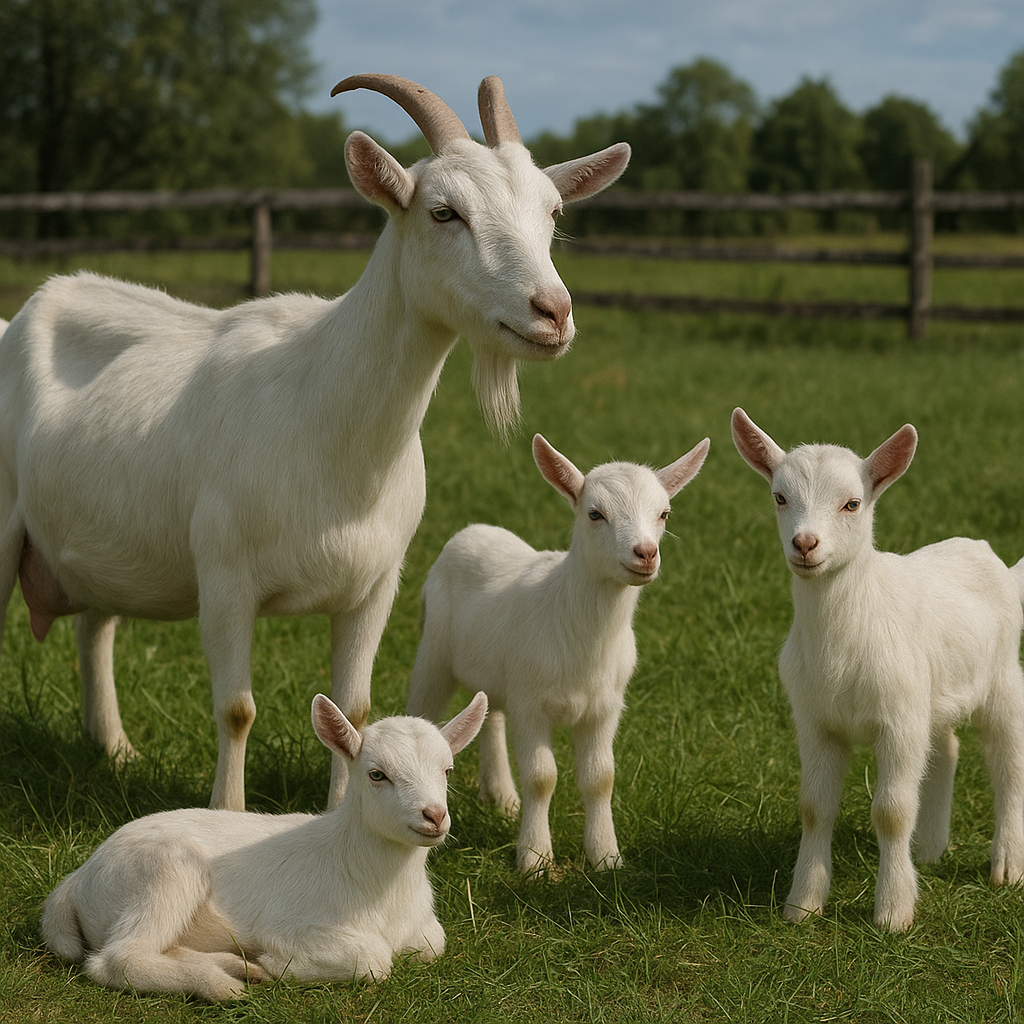
Raising goats for both milk and meat offers farmers an opportunity to diversify income streams while promoting sustainability on the farm. By integrating proper land management, nutrition plans, and health protocols, agriculturalists can optimize both productivity and animal welfare. This article covers essential strategies and practical tips for building a resilient, profitable goat enterprise within a broader agricultural system.
Integrated Farming and Crop-Livestock Synergy
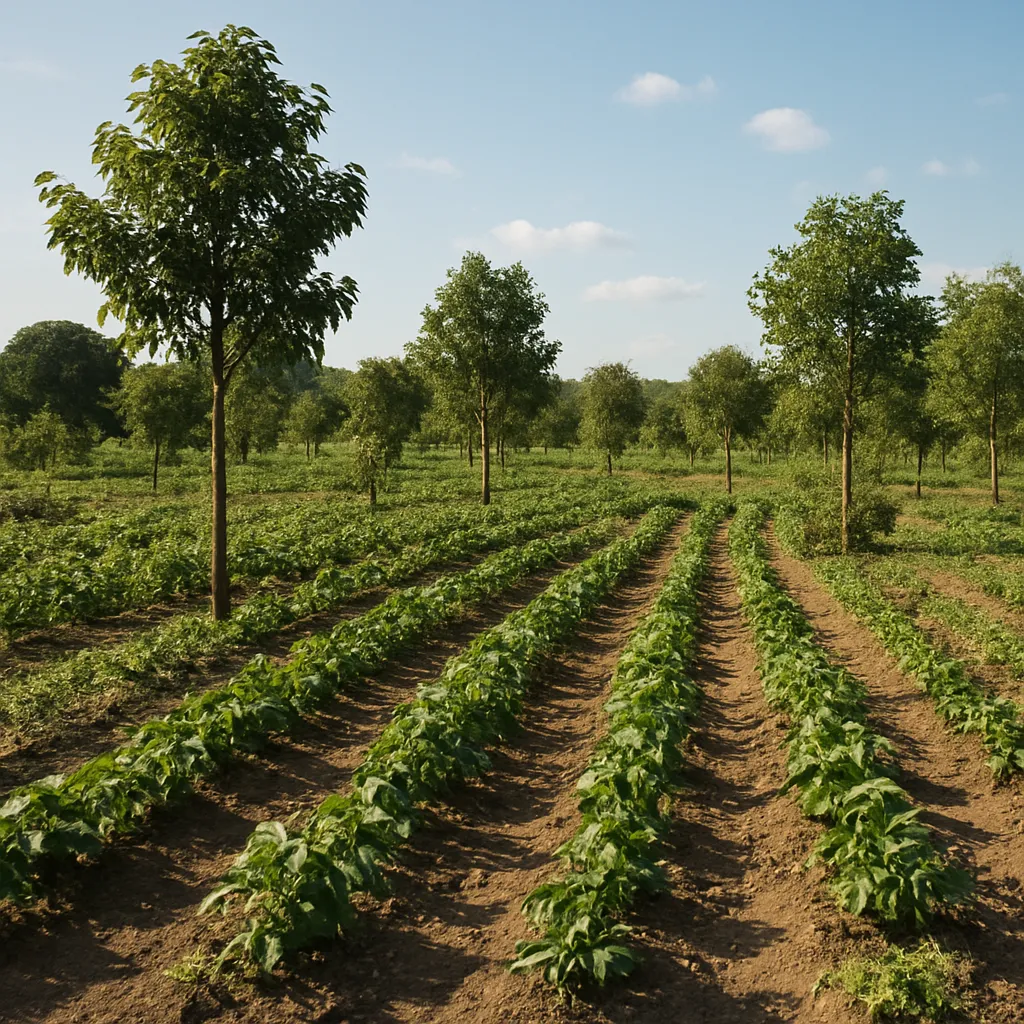
Combining crop production with livestock rearing creates a dynamic system where each component enhances the other. For example, goats help maintain pastures by grazing on weeds, while their manure enriches the soil with organic matter, improving overall soil fertility. By adopting an integrated approach, farmers reduce waste, lower input costs, and boost on-farm resource cycles.
Benefits of Integration
- Improved nutrient cycling through manure application
- Enhanced pest and weed control via targeted grazing
- Increased farm resilience to market fluctuations
- Lower reliance on chemical fertilizers and pesticides
Implementing crop rotation alongside controlled grazing can break pest and disease cycles. For instance, alternating between legumes and cereals in fields where goats graze not only restores nitrogen levels but also diversifies forage options. Legumes such as alfalfa or clover are high in protein, enhancing goat nutrition when integrated into pastures.
Optimizing Goat Husbandry Practices
Effective goat husbandry is based on three pillars: environment, breeding, and daily management. A well-designed housing system protects animals from extreme weather, predators, and disease vectors. Goats thrive in clean, well-ventilated pens with dry bedding. Ensure each goat has at least 15–20 square feet of space and access to both indoor shelter and outdoor exercise yards.
Breeding and Genetics
- Select breeds suited to local climates (e.g., Boer for meat, Saanen for dairy)
- Use artificial insemination or natural breeding to enhance desired traits
- Record pedigrees and maintain accurate performance data
- Rotate bucks every few years to prevent inbreeding
Focusing on robust genetics yields higher kidding rates, improved milk yield, and stronger offspring. Traits such as udder conformation, body condition, and mothering ability should be key selection criteria. Prioritize does with proven lactation records and bucks that consistently pass on desirable meat characteristics.
Sustainable Land and Soil Management
Maintaining healthy soils is foundational to all agricultural endeavors. A balanced approach emphasizes both organic matter and appropriate mineral levels. Regular soil testing informs fertilizer applications, preventing nutrient imbalances that can harm crops or contaminate water sources.
Cover Crops and Green Manures
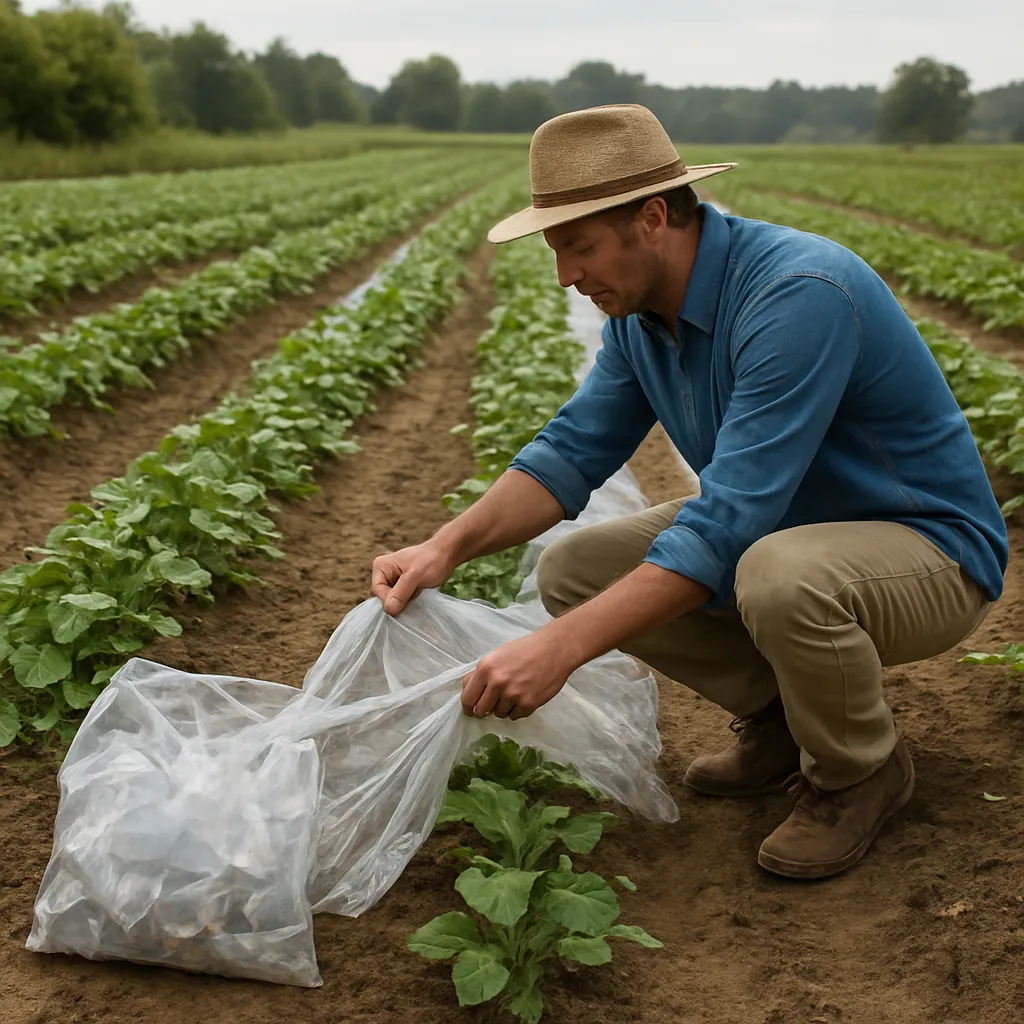
Using cover crops such as rye, vetch, or mustard between cash crops prevents erosion, suppresses weeds, and enhances soil structure. When goats graze these cover crops, they reduce the need for mechanical mowing and add valuable manure directly to the field. Later, incorporate plant residues as green manure to boost nitrogen and carbon content.
- Plant cover crops immediately after harvest to maximize growing window
- Choose species based on climate and desired benefits (legumes for nitrogen, brassicas for biofumigation)
- Monitor biomass and grazing intensity to avoid overgrazing and soil compaction
Mulching with goat bedding or straw further conserves moisture, regulates temperature, and suppresses weed emergence. In orchards or perennial systems, strategic placement of mulch and rotational grazing corridors can improve root health and increase fruit or nut yields.
Nutrition and Health Management
A balanced diet tailored to life stage and production goals is crucial. Goats require a mix of roughage, grains, vitamins, and minerals. Roughage, such as hay or pasture, should constitute at least 60–70% of intake. High-quality hay ensures proper rumen function and fiber intake.
Feed Formulation
- Provide a blend of forages and concentrates: 60% roughage, 40% grains
- Supplement with trace minerals like copper, selenium, and zinc
- Use salt blocks or loose salt to regulate sodium intake
- Offer free-choice access to clean water at all times
Avoid abrupt diet changes to prevent digestive upsets. Introduce new feeds gradually over 7–10 days. During late gestation and early lactation, increase energy density with higher-quality concentrates. Monitor body condition scores monthly and adjust rations accordingly.
Preventive Health Protocols
Disease prevention depends on biosecurity, vaccination, and regular veterinary check-ups. Develop a flock health plan in consultation with a veterinarian to schedule vaccinations against clostridial diseases, caseous lymphadenitis, and other region-specific threats.
- Quarantine new or returning animals for 30 days
- Implement deworming protocols based on fecal egg counts
- Maintain clean feeders and waterers to reduce pathogen spread
- Trim hooves every 6–8 weeks to prevent foot rot
Marketing and Value-Added Opportunities
Beyond conventional sales, value-added products can significantly boost profitability. Raw goat milk, artisanal cheeses, soap, and specialty meats appeal to niche markets seeking high-quality, local products. Start small with farmers’ markets, online platforms, or local cooperatives to gauge consumer interest.
Branding and Direct Sales
Developing a compelling brand story around animal welfare, ecological stewardship, and farm heritage helps differentiate products. Use social media, website platforms, and on-farm tours to connect with customers. Provide transparency about farming practices and processing to build trust and command premium prices.
Conclusion
By combining sound agronomic methods, advanced husbandry, and thoughtful marketing, goat farmers can cultivate a thriving enterprise that contributes to environmental health and rural livelihoods. Continual learning, adaptation, and innovation are key to staying competitive and maximizing the potential of goats for both milk and meat production.