Farming in an era of unpredictable weather demands innovative strategies and unwavering determination. Successful growers rely on climate-smart methods to safeguard yields, boost resilience, and secure food supplies. This guide explores practical approaches—from traditional wisdom to modern technology—empowering you to shield your fields from the harshest elements. Key aspects include effective irrigation, managing drought stress, ensuring reliable frost protection, integrating agroforestry principles, mastering mulching techniques, leveraging advanced forecasting, planning for adaptation, and preserving biodiversity in agroecosystems. Dive in to discover how to build a more robust operation that thrives no matter what the weather brings.
Understanding the Impact of Extreme Weather
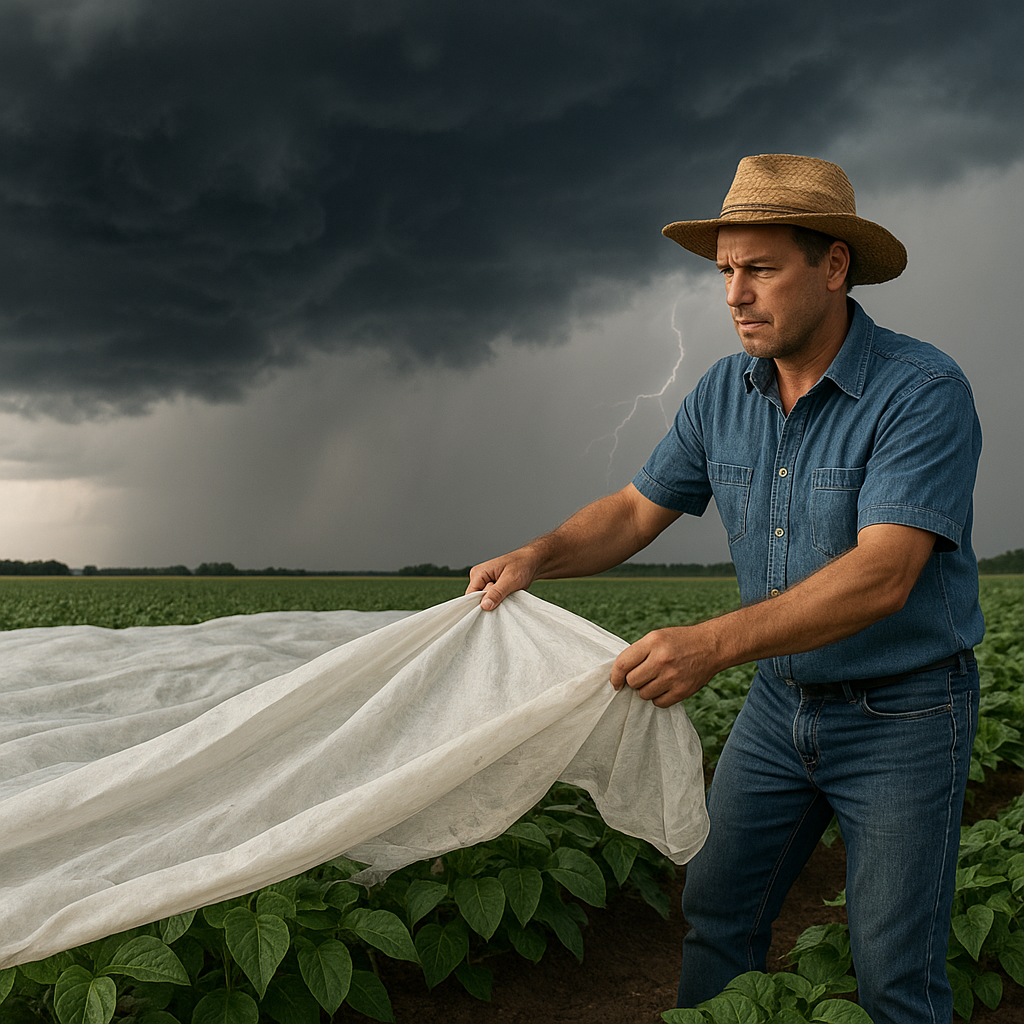
Weather extremes—heatwaves, torrential rains, unexpected frosts, and prolonged dry spells—can devastate crops within hours. Recognizing how these forces interact with your farm’s unique characteristics is the first step toward creating an effective protection plan. Soil type, topography, and local microclimates all influence vulnerability. By conducting a thorough assessment, you can pinpoint weak spots and prioritize interventions.
Weather Patterns and Crop Vulnerability
Regions prone to sudden temperature swings or heavy storms require distinct tactics compared to arid zones facing persistent drought. Understanding historical weather data allows farmers to:
- Identify critical periods when crops are most susceptible, such as flowering or fruit-setting stages.
- Anticipate potential waterlogging in low-lying fields after intense rainfall.
- Pinpoint frost pockets where cold air may settle and damage young seedlings.
- Map soil moisture retention areas to improve irrigation scheduling.
Economic and Ecological Consequences
Crop losses mean lost income, strained supply chains, and increased consumer prices. Beyond finances, extreme weather can erode soil, reduce organic matter, and harm beneficial organisms. Continuous stress on an ecosystem diminishes its capacity to self-regulate, resulting in higher input costs and greater reliance on chemical remedies. A comprehensive risk management strategy addresses both the economic and ecological dimensions of weather variability.
Choosing Resilient Crop Varieties
One of the most effective ways to buffer against weather shocks is selecting varieties bred for specific stresses. Modern plant breeding combines traditional crossbreeding with genomic tools to deliver genotypes with enhanced tolerance traits.
Drought-Tolerant Cultivars
Drought-resistant lines possess deep root systems, efficient stomatal regulation, and enhanced osmotic adjustment. Consider crops like sorghum, millet, or certain chickpea varieties in regions where water scarcity is chronic. Even staple cereals such as maize and wheat now offer hybrids with improved water-use efficiency.
Frost-Hardy Species
For cooler climates prone to late spring frosts, explore varieties with rapid cold acclimation. Brassicas (e.g., kale, broccoli) and small berries such as strawberries can endure brief freezes when properly selected and managed. Timing sowing dates to avoid sensitive growth phases during cold snaps is equally important.
Heat-Resistant Hybrids
High temperatures during flowering often cause sterility in many crops. Seek out heat-tolerant wheat and rice cultivars that maintain pollen viability under extreme heat. In fruit orchards, new peach and apple varieties exhibit sunburn-resistant skin and improved heat tolerance at critical developmental stages.
Implementing Protective Techniques
Physical and cultural measures can be remarkably effective in reducing direct exposure and mitigating damage.
Mulching and Soil Management
- Organic mulching (straw, wood chips) regulates soil temperature, retains moisture, and suppresses weeds, which compete for scarce resources during dry periods.
- Living mulches—cover crops like clover or vetch—protect the soil surface, reduce erosion, and enhance microbial activity.
- Conservation tillage preserves soil structure, fosters beneficial mycorrhizal networks, and minimizes erosion by wind and water.
Irrigation Best Practices
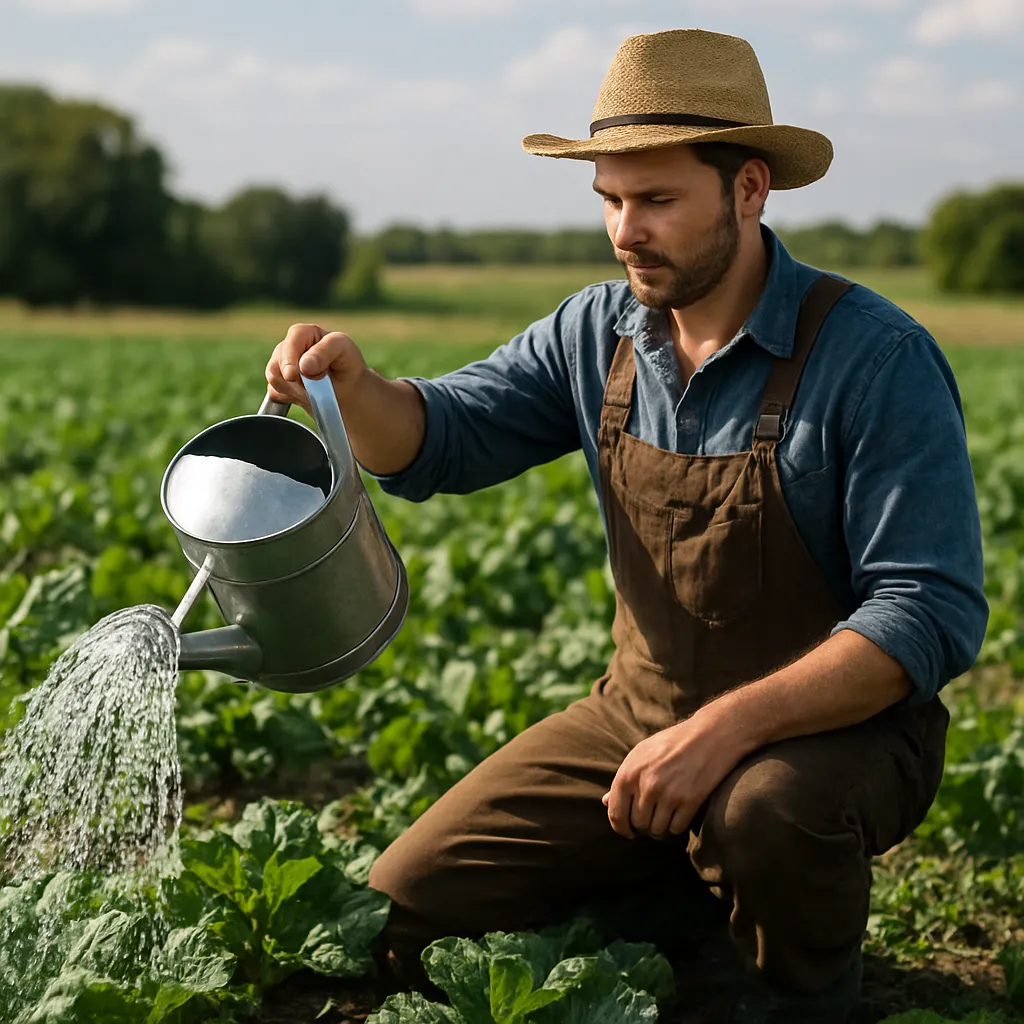
- Drip and micro-sprinkler systems deliver water precisely to the root zone, boosting efficiency and preventing foliar diseases.
- Scheduling irrigation based on soil moisture sensors or tensiometers ensures plants receive water when they need it most.
- Harvesting and storing rainwater in ponds or tanks provides a buffer against prolonged dry spells.
Windbreaks and Shade Structures
Installing hedgerows or artificial windbreaks reduces wind speed, which lowers evapotranspiration rates and minimizes lodging in cereal crops. Shade nets can protect vulnerable seedlings or high-value horticultural crops from hail, sunscald, and sudden temperature spikes.
Leveraging Technology and Forecasting
Advancements in data analytics, remote sensing, and communication have revolutionized how farmers anticipate and respond to weather threats.
Weather Monitoring and Alerts
- Local weather stations provide hyper-local forecasts and real-time data on temperature, humidity, and wind speed.
- Subscription-based services or mobile apps deliver automated forecasting alerts, warning of impending frost, heatwaves, or heavy precipitation.
- Deploying simple sensors in fields can trigger irrigation or frost protection systems automatically when thresholds are met.
Precision Agriculture Tools
Drones, satellites, and UAVs equipped with multispectral cameras assess crop health, identify water stress zones, and detect nutrient deficiencies. By integrating these aerial insights with ground-based data, farmers can apply treatments selectively, optimize resource use, and reduce environmental impact.
Decision Support Systems
Software platforms aggregate weather forecasts, soil analyses, and crop models to generate actionable recommendations—ideal planting dates, optimal fertilization regimes, and risk mitigation plans. These systems empower smallholders and large-scale operators alike to make data-driven decisions.
Building Long-term Resilience Through Sustainable Practices
Fostering an ecosystem that supports both productivity and environmental health is key to enduring success. Sustainable approaches enhance natural processes and reduce dependence on external inputs.
Agroforestry and Polyculture
Incorporating trees and shrubs into cropping systems creates windbreaks, sequesters carbon, and promotes biodiversity. Intercropping legumes with cereals boosts soil nitrogen levels, reduces pests, and smooths production curves over the season.
Soil Health and Organic Matter
Healthy soils with high organic content retain water more effectively, support a thriving microbiome, and resist compaction. Techniques include:
- Cover cropping to prevent erosion and supply green manure.
- Composting farm residues to recycle nutrients and build humus.
- Reducing synthetic inputs to encourage balanced soil biology.
Crop Rotation and Biodiversity
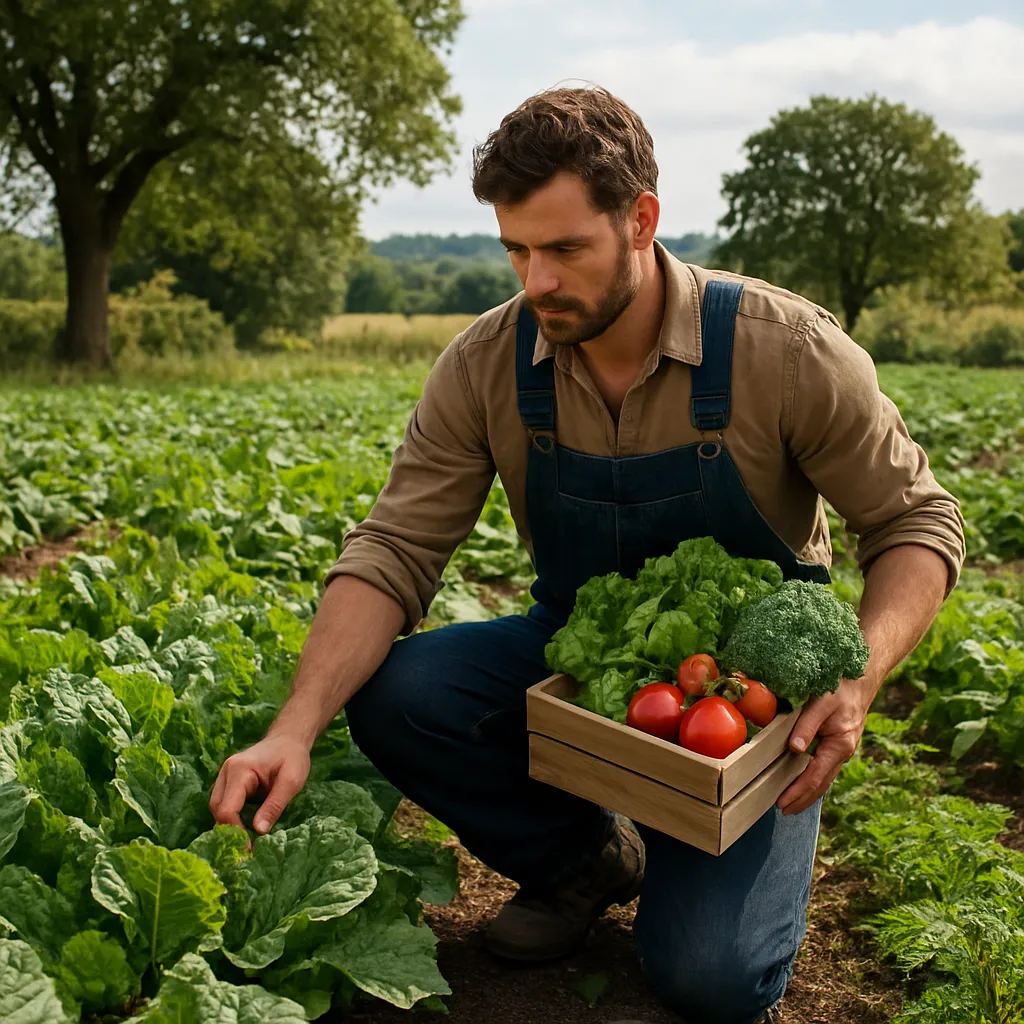
Rotating crops disrupts pest and disease cycles, reduces chemical reliance, and improves overall system resilience. Diversifying with flowering strips invites pollinators and predatory insects, creating natural pest suppression and boosting fruit set in horticultural operations.
Adaptive Management and Continuous Learning
Every season brings new lessons. Documenting outcomes, sharing insights with fellow growers, and participating in extension programs can accelerate your progress. Being prepared to adjust sowing dates, shift rotations, or invest in emerging technologies ensures your farm stays ahead of climatic challenges. Embrace a mindset of experimentation—small trials of innovative methods allow you to scale up successes while minimizing risks.
By weaving together robust field practices, advanced tools, and sustainable principles, you create a farming enterprise capable of withstanding extreme weather. Investing time and resources in proactive measures not only protects yields but also paves the way for a healthier planet and a more prosperous future for communities everywhere.