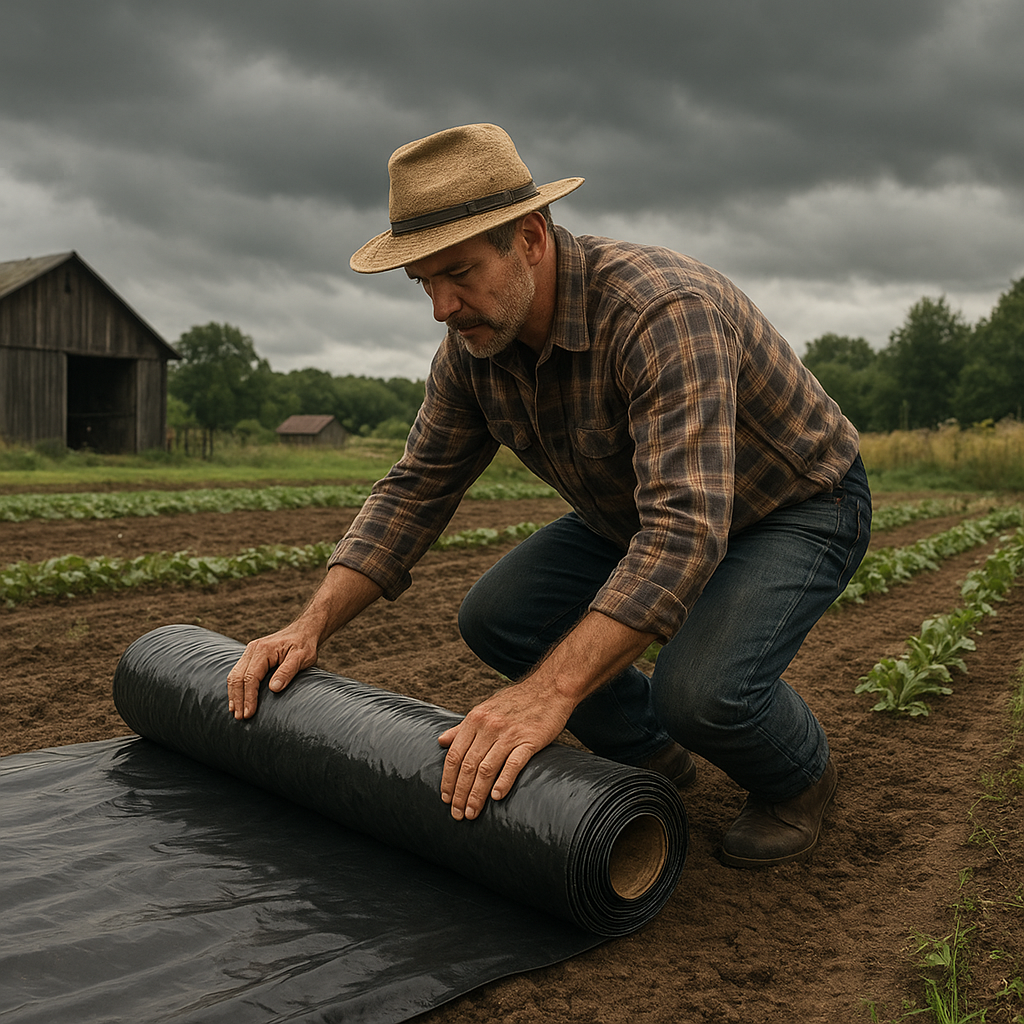
Preparing your farm for the impending rainy season demands strategic planning, practical adjustments, and proactive measures. By understanding weather patterns, improving soil health, and optimizing infrastructure, farmers can minimize crop losses, prevent erosion, and maintain productivity. The following sections outline essential tips and best practices to ensure your farm remains resilient throughout periods of intense rainfall.
Understanding the Rainy Season and Weather Patterns
Accurate forecasts and historical data are fundamental to anticipating the start and intensity of the rainy season. Utilize local meteorological services and smartphone apps to monitor rainfall trends, temperature fluctuations, and potential storm events. Recognizing patterns such as early downpours or delayed rains allows you to sequence field operations effectively. Incorporating sustainability into planning fosters long-term productivity, as farmers can adapt cropping schedules and resource allocation based on projected weather conditions. Keep detailed records of annual precipitation levels to identify anomalies, which may indicate climate shifts or emerging risks like flooding or drought interludes.
Preparing the Soil for Heavy Rains
The foundation of a resilient farm lies in robust soil management. Begin by testing soil composition to determine nutrient levels, pH balance, and organic matter content. Apply amendments like compost or well-rotted manure to increase microbial activity and improve water-holding capacity. Implement erosion control measures such as contour plowing, terracing, and grassed waterways to slow runoff and prevent topsoil loss. Mulching with straw or wood chips around plants reduces surface compaction, regulates soil temperature, and curbs weed growth. Strategic cover cropping with legumes or grasses can add biomass, fix nitrogen, and stabilize the soil surface during heavy downpours. These practices enhance infiltration, reduce surface crusting, and maintain a balanced supply of nutrients essential for healthy crop development.
Effective Water Management and Drainage
Efficient water management diminishes flood risk and ensures optimal moisture levels for crops. Design a network of drains, swales, and diversion ditches to channel excess water away from fields and points of vulnerability, such as barns or storage areas. Installing perforated pipes or French drains beneath critical zones can accelerate subsurface drainage and prevent waterlogging. Where feasible, construct on-farm retention ponds or rainwater harvesting systems to capture runoff for later use in dry spells. Integrate adjustable gates and check dams to regulate water flow, allowing you to retain moisture in lighter soils while releasing surplus during storms. Regularly inspect and clear inlet and outlet structures of debris to maintain continuous drainage performance and guard against clogging.
Selecting and Timing Crop Planting
Choosing the right crops and adjusting planting dates can profoundly influence resilience during the rainy season. Opt for varieties with shorter maturation periods or those bred for improved resistance to fungal diseases and water stress. Stagger seeding dates to spread risk; if early plantings suffer from unexpected waterlogging, later batches may still thrive. For row crops, increase plant spacing slightly to improve air circulation and reduce the incidence of mold and mildew. In areas prone to sudden deluges, consider raised beds or ridges that elevate root zones above saturated soil. Companion planting techniques—pairing deep-rooted species with shallow ones—can enhance nutrient uptake and soil structure, creating a microenvironment less prone to excessive moisture.
Protecting Young Plants and Seedlings
Seedlings and transplants are particularly vulnerable to damage during heavy rains. Employ temporary shelters such as low tunnels, hoop houses, or horticultural fleece to buffer young plants from pounding raindrops and cold drafts. Use fine mesh covers to deter pests that exploit wet conditions. For small-scale operations, portable cloches or plastic domes can provide individual protection and retain warmth. When dealing with open fields, lay down biodegradable row covers supported by lightweight frames to create a sheltered microclimate. Check under covers frequently to prevent condensation buildup, which can foster pathogen proliferation. If flooding is imminent, relocate potted transplants to higher ground or greenhouse benches to avert root suffocation.
Maintaining Farm Infrastructure
Robust infrastructure reduces downtime and eases workflow during unpredictable weather. Inspect fences, gates, and boundary markers to ensure they withstand wind-driven rain and saturated ground. Reinforce vulnerable sections with concrete footings or deeper posts. Elevate power outlets, irrigation controls, and electrical panels above expected flood levels. Seal cracks in storage buildings, barns, and workshops to prevent moisture intrusion, mold growth, and structural weakening. Maintain roof gutters and downspouts, clearing leaves and sediment regularly to channel rainwater away from foundations. Where water tends to collect around buildings, install gravel trenches or French drains to dissipate pooling and protect concrete slabs from water pressure.
Farm Equipment and Machinery Care
Heavy rains can disrupt machinery use and accelerate wear if equipment is not properly maintained. Before the season begins, service tractors, harvesters, and tillage tools by replacing filters, refilling hydraulic fluids, and greasing all moving parts. Fit tractors with wider tires or dual wheels to improve traction in slick conditions. Store key implements under cover or in well-drained sheds to prevent rust and water damage. After fieldwork in wet soils, clean mud and debris thoroughly to avoid clogged radiators and differential strain. Calibrate seed drills and planters to account for increased soil moisture, ensuring accurate seeding depth and spacing. Keep spare belts, hoses, and filtration elements on hand to minimize downtime between operations.
Training and Safety Protocols for Farm Workers
Ensuring the well-being of your team during the rainy season is as crucial as protecting crops. Develop clear safety guidelines for working in wet, slippery, and low-visibility environments. Provide waterproof clothing, non-slip boots, and high-visibility gear for all field staff. Train workers in the operation of pumps, generators, and temporary barriers to manage unexpected flooding safely. Establish communication protocols—including radios or mobile phone check-ins—to maintain contact when fields become isolated. Conduct emergency drills for scenarios such as flash floods or lightning strikes, emphasizing evacuation routes and first-aid procedures. A well-prepared workforce not only mitigates human risk but also ensures consistent agricultural operations throughout the season.


