Embarking on a farming journey can be exhilarating yet challenging. Many beginners dive in with enthusiasm but soon encounter obstacles that could have been easily avoided. This article highlights five common mistakes new farmers make and offers actionable advice to help you cultivate a thriving operation. By understanding pitfalls in areas like soil health, planning, seed selection, resource management, and pest control, you’ll be better equipped to achieve consistent yields and sustainable growth.
Neglecting Soil Testing and Preparation
One of the foundational errors is underestimating the importance of soil analysis. Ignoring soil tests often leads to a nutrient imbalance that jeopardizes plant development before it even begins. Freshly plowed land may look ready, but without accurate data on pH levels, organic matter, and mineral content, you could waste time and money on inappropriate amendments.
Key steps to avoid this mistake:
- Collect representative soil samples from various field locations and send them to a certified lab.
- Review the report for deficiencies in nitrogen, phosphorus, potassium, and micronutrients.
- Apply lime or sulfur to adjust pH if it deviates from the optimal 6.0–7.0 range for most crops.
- Incorporate well-rotted compost or manure to enhance soil structure and water retention.
- Implement crop rotation strategies to reduce disease pressure and replenish nutrients naturally.
Regular testing every two to three years ensures that you respond to changes in fertility over time. By laying groundwork through precise soil preparation, you foster strong root systems, improved yields, and resilience against drought and erosion.
Poor Planning and Record Keeping
Failing to plan meticulously can turn a promising season into a logistical nightmare. Skipping detailed schedules for planting, irrigation, and harvesting means you might miss critical windows that align with ideal weather patterns. Moreover, neglecting thorough record keeping hampers your ability to analyze successes and failures year over year.
Effective strategies include:
- Establishing a crop calendar that marks sowing dates, expected germination periods, and harvest timelines.
- Maintaining a digital or physical logbook to track input costs, labor hours, yields, and market prices.
- Utilizing farm management software to generate reports on profitability and resource allocation.
- Reviewing past seasons to refine planting densities, fertilizer rates, and pest control approaches.
- Engaging in financial forecasting to anticipate cash flow needs during off-peak months.
By integrating planning with documentation, you can identify trends—whether a particular variety outperformed others or a certain field consistently underdelivered. This data-driven approach transforms guesswork into informed decision-making, boosting overall farm efficiency.
Choosing Inappropriate Varieties and Livestock
Selecting the wrong crop cultivar or livestock breed can drastically reduce productivity. New farmers often rely on popular catalogs without accounting for local climate, soil type, or market demand. For instance, planting a rice variety designed for flood-prone regions in a drought-prone area spells disaster.
Consider these guidelines:
- Research regional trials to identify seed lines proven to withstand local stresses like heat, cold, or salinity.
- Purchase certified seeds to ensure genetic purity and disease resistance.
- Match livestock breeds with your pasture quality and management style—some cattle breeds thrive on low-quality forage, while others require intensive feed regimens.
- Utilize grazing management techniques like rotational grazing to maintain pasture vigor and reduce parasite loads.
- Consult extension agents or local farmers’ networks for first-hand insights on performance and market acceptance.
Avoid impulse buying based on price alone. Investing in proven varieties and breeds tailored to your environment accelerates the path to profitability and reduces the stress associated with animal health issues or crop failure.
Underestimating Resource Management
Water, fertilizers, and energy are critical inputs. Overlooking efficient usage leads to wasted resources and inflated costs. Many newcomers rely solely on traditional watering practices rather than implementing precision systems that conserve water and nutrients.
Adopt these resource-smart tactics:
- Install drip or micro-sprinkler irrigation systems to deliver water directly to the plant root zone, reducing evaporation losses.
- Employ soil moisture sensors and automated controllers to optimize watering schedules based on real-time data.
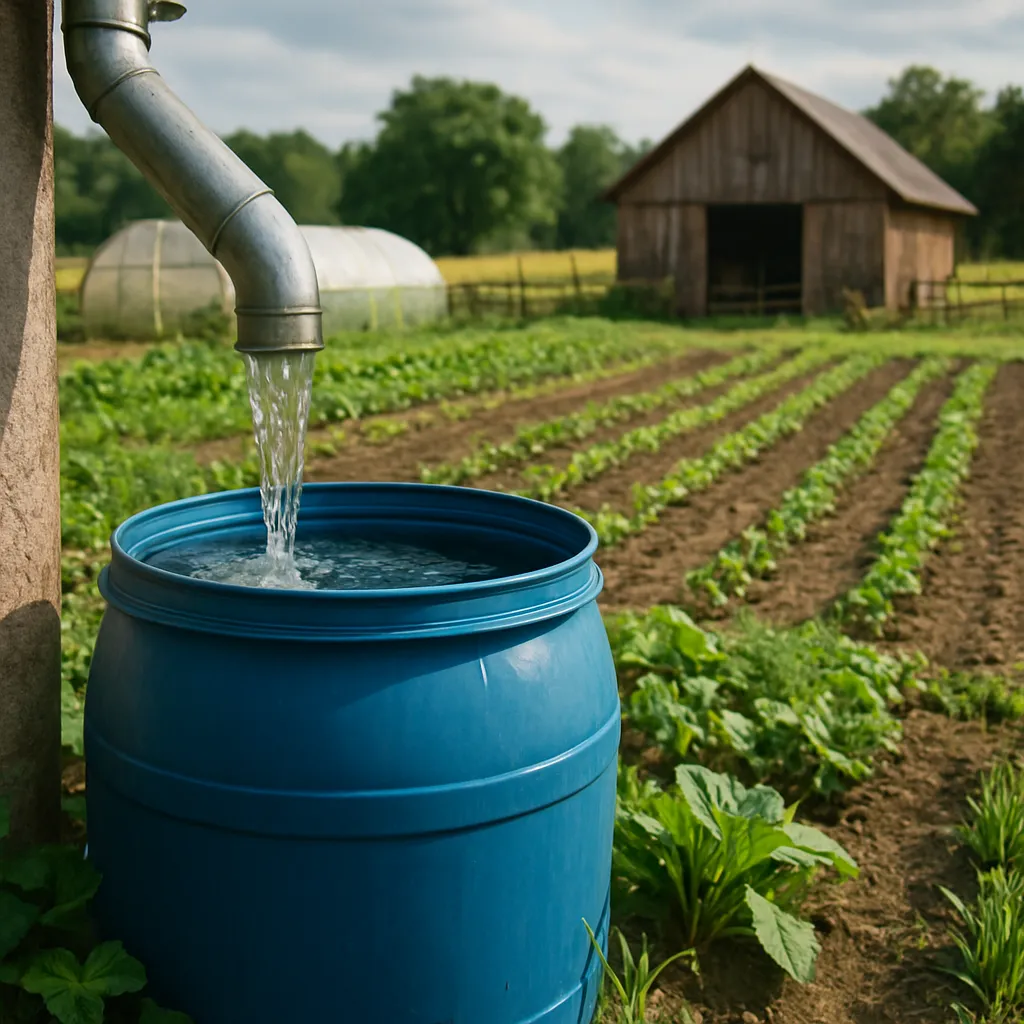
- Integrate water conservation techniques such as rainwater harvesting and mulching to minimize irrigation demand.
- Utilize split-application of fertilizers so plants absorb nutrients more efficiently, cutting back on overall chemical usage.
- Explore renewable energy sources—solar-powered pumps or windmills—to reduce reliance on fossil fuels.
Smart resource allocation not only slashes operating expenses but also supports eco-friendly stewardship. Long-term viability depends on balancing production goals with the health of natural systems.
Ignoring Integrated Pest and Weed Control
Effective pest and weed management goes beyond spot treatments. Resorting to indiscriminate pesticide use can lead to resistant pest populations and unintended harm to beneficial insects. Similarly, failing to address weeds early allows them to compete with crops for light, water, and nutrients.
Best practices include:
- Implementing an Integrated Pest Management (IPM) approach that combines biological controls, cultural practices, and targeted chemical interventions.
- Regularly scouting fields to detect pest infestations or weed emergence at the earliest stage.
- Introducing natural predators like ladybugs or parasitic wasps to manage aphid populations.
- Rotating herbicide modes of action to prevent the evolution of resistant weed species.
- Maintaining clean equipment to avoid spreading seeds or pathogens from one area to another.
By prioritizing preventive measures and relying on multiple control tactics, you reduce chemical inputs, protect biodiversity, and maintain a healthier farm ecosystem.