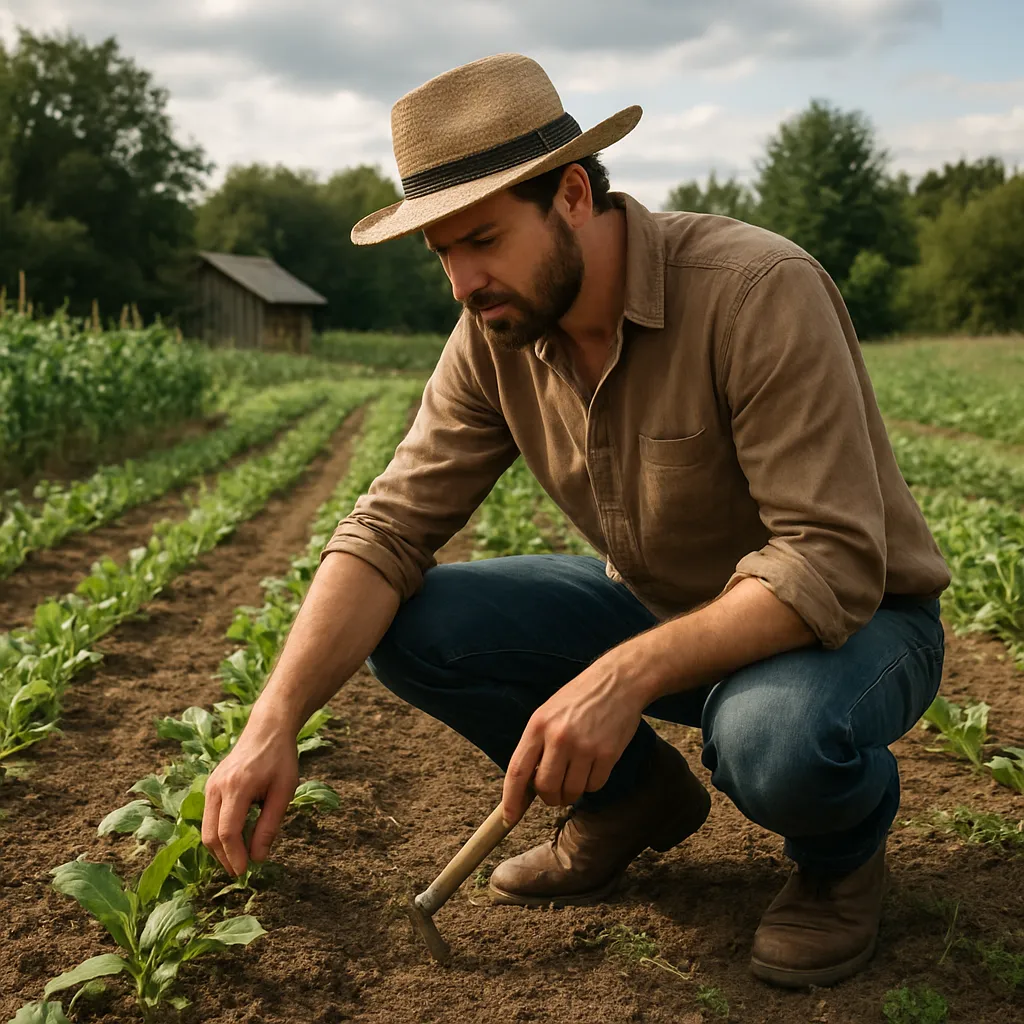
The agricultural landscape of 2025 is set to be transformed by innovations that blend cutting-edge technology with ecologically responsible methods. As farmers and agribusinesses adapt to shifting market demands, climate uncertainties, and resource constraints, staying ahead means embracing new tools and practices designed to boost productivity, enhance resilience, and minimize environmental impact. Below, we explore key trends shaping tomorrow’s farms and share practical tips to help growers navigate this dynamic terrain.
Embracing Precision Agriculture Technologies
Modern farms are increasingly turning to precision agriculture to optimize inputs and maximize yields. By leveraging GPS-guided equipment, variable-rate application systems, and networked sensors, producers can make data-driven decisions that reduce waste and improve resource use efficiency.
- Soil Mapping: Use multi-spectral sensors mounted on tractors or drones to generate accurate soil fertility maps.
- Variable-Rate Technology: Calibrate seeders and sprayers to apply inputs only where needed, cutting costs on fertilizers and pesticides.
- Real-Time Monitoring: Install soil moisture and temperature probes linked to farm management platforms for immediate alerts and recommendations.
Tip: Start small with a pilot plot. Invest in a single precision tool, learn its workflow, and scale up gradually as you see tangible ROI. Partner with a local extension service or ag-tech provider for training on calibration and data interpretation.
Advancing Sustainability and Regenerative Practices
Long-term productivity depends on healthy ecosystems. Growing numbers of farmers are adopting sustainability and regenerative methods to restore degraded soils, build carbon reserves, and foster biodiversity.
- Cover Cropping: Plant legumes or grasses between cash crops to prevent erosion, fix nitrogen, and suppress weeds.
- Crop Rotation: Alternate deep-rooted and shallow-rooted species to break pest cycles and improve soil health.
- Reduced Tillage: Minimize mechanical disturbance to maintain soil structure, enhance water retention, and support beneficial microbes.
- Agroforestry: Integrate rows of trees or shrubs with crops or livestock to create windbreaks, sequester carbon, and diversify farm income.
Tip: Conduct an annual soil test to track changes in organic matter, pH, and nutrient levels. Use the results to fine-tune your amendment schedule and identify opportunities for regenerative cover crop mixes.
Integrating Digital Platforms and Data Analytics
Connectivity is revolutionizing farm management. From the barn to the field gate, digital platforms streamline workflows and leverage data analytics to pinpoint inefficiencies.
Key components:
- Farm Management Software: Consolidates financial records, agronomic data, and equipment logs into a single dashboard.
- Remote Sensing: Combines satellite imagery with AI to detect plant stress, nutrient deficiencies, and pest outbreaks before they spread.
- Blockchain Traceability: Provides transparent supply-chain records, building consumer trust and potentially fetching premium prices.
- Predictive Modeling: Uses historical weather and yield data to forecast risks and optimize planting schedules.
Tip: When selecting a digital platform, prioritize interoperability. Choose solutions that integrate easily with your existing equipment, sensors, and accounting tools to avoid data silos and maximize insight.
Exploring Controlled Environment and Vertical Farming
As urbanization intensifies and climate variability threatens outdoor production, controlled environment agriculture (CEA) becomes increasingly attractive. Vertical farming, hydroponics, and aeroponics allow growers to produce high-value crops year-round, using significantly less water and land.
Benefits of CEA
- Consistent Quality: Climate control ensures uniform growth conditions for premium produce.
- Resource Efficiency: Closed-loop systems recapture up to 90% of irrigation water compared to field cultivation.
- Minimal Pesticides: Pest exclusion nets and sterile environments reduce chemical interventions.
Implementation Tips
- Site Selection: Seek locations with reliable power and water infrastructure close to major markets.
- Crop Choice: Start with quick-turnaround, high-margin leafy greens or herbs before moving to fruiting crops.
- Lighting Strategy: Invest in energy-efficient LED fixtures tuned to crop-specific light spectra.
- Automation Integration: Link environmental controls (temperature, humidity, CO₂) to a central monitoring system for seamless adjustments.
Utilizing Robotics, Automation, and Drones
Labor shortages and rising wage pressures are boosting interest in robotic and automated solutions. Meanwhile, drones offer rapid aerial surveys that supplement ground-based robotics for planting, scouting, and harvesting.
- Autonomous Tractors: Follow GPS-guided paths for tillage, planting, and spraying with minimal human oversight.
- Weed-Detecting Robots: Employ computer vision to distinguish weeds from crops and apply spot treatments.
- Harvesting Machines: Use robotic arms and sophisticated grip sensors to pick delicate fruits like strawberries and tomatoes.
- Drone Spraying: Deploy lightweight UAVs to target isolated patches of pests or diseases, reducing chemical drift.
Tip: Before adopting large-scale robotics, conduct a cost-benefit analysis comparing equipment lease options versus full ownership. Engage staff in hands-on demos to build confidence and ensure seamless integration.
Adapting to Climate-Smart Farming
Mitigating and adapting to climate change is no longer optional. Climate-smart strategies help farmers reduce greenhouse gas emissions while reinforcing resilience against extreme weather events.
- Water-Efficient Irrigation: Switch to drip or subsurface systems equipped with flow sensors.
- Crop Insurance Analytics: Use localized climate models to select the right coverage and planting windows.
- Carbon Credits: Participate in verified carbon offset programs by sequestering carbon through cover crops, agroforestry, or biochar applications.
- Heat-Tolerant Varieties: Partner with breeding companies to trial cultivars engineered for drought and heat stress tolerance.
Tip: Collaborate with local agricultural research centers to access climate projections and best-practice guidelines specific to your region’s unique challenges.
Building Resilient Supply Chains
Disruptions from geopolitical tensions, pandemics, and logistical bottlenecks underscore the need for agile supply chains. Farmers can strengthen resilience by diversifying markets, shortening distribution channels, and investing in on-farm storage.
- Local Partnerships: Forge direct relationships with grocers, restaurants, and food hubs to reduce reliance on intermediaries.
- Cold-Chain Innovations: Adopt modular cold storage units that can be deployed on-site to preserve perishable goods.
- Cooperative Models: Share processing, packing, and transportation resources with neighboring farms to achieve economies of scale.
Tip: Map your current supply routes and identify single points of failure. Develop contingency plans that include alternative transport modes and backup off-takers.