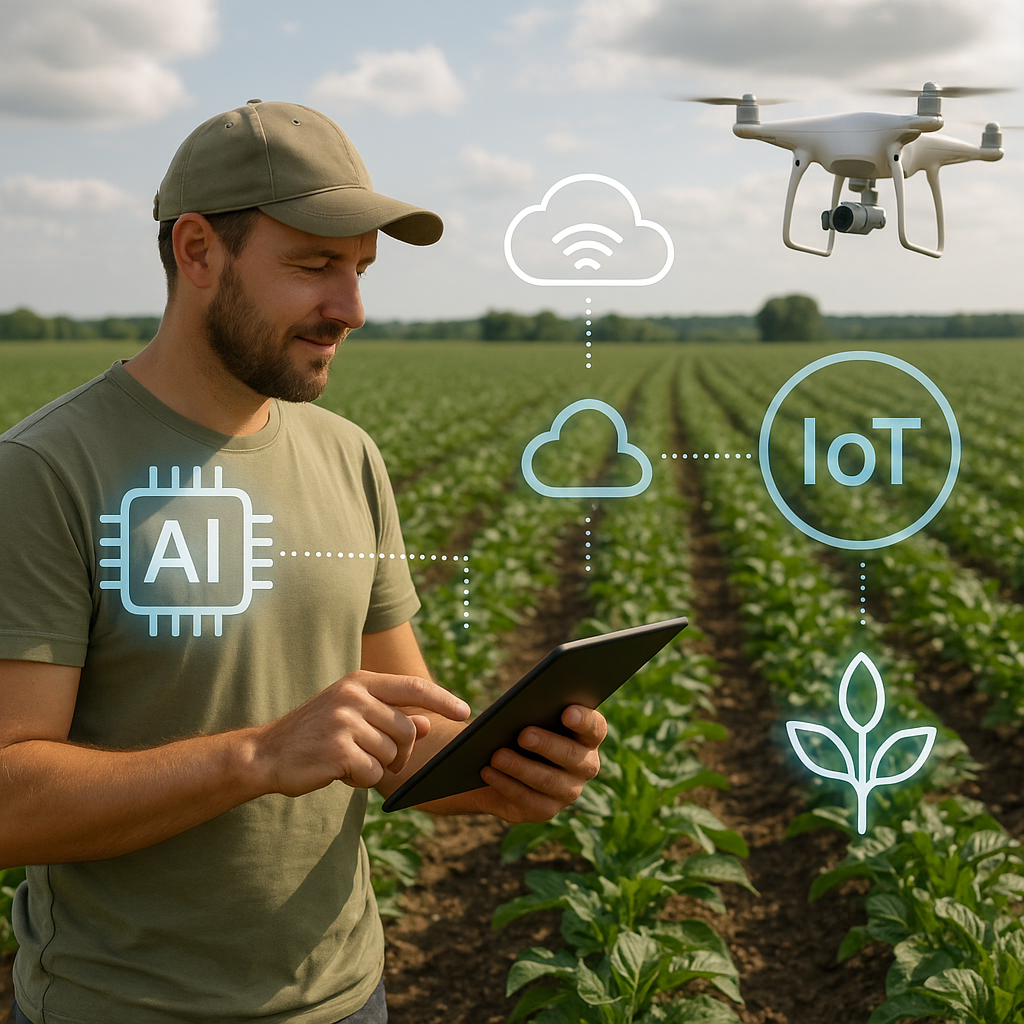
The integration of AI (Artificial Intelligence) and IoT (Internet of Things) is revolutionizing the agricultural sector. Farmers worldwide are leveraging advanced technologies to optimize resource use, improve crop yields, and develop sustainable practices. This article explores key themes and offers practical tips to harness these innovations in modern farming operations.
Precision Farming Powered by AI and IoT
Precision farming relies on real-time data captured by sensors and devices connected through IoT networks. By combining machine learning algorithms with field data, growers can make informed decisions on planting, fertilization, and harvesting. This approach enhances accuracy and reduces waste.
Sensor Networks and Data Collection
Deploying a network of soil moisture, temperature, and nutrient sensors enables continuous monitoring of field conditions. Key components include:
- Wireless sensor nodes for remote data transmission
- Weather stations that feed local climate data to analytics platforms
- Soil probes measuring pH, moisture levels, and temperature
Such data streams are processed by AI models to identify patterns, detect anomalies, and predict changes in soil health.
Crop Monitoring and Yield Prediction
High-resolution imagery from drones and satellites, combined with AI-powered image recognition, helps farmers track plant health, pest outbreaks, and nutrient deficiencies. Benefits include:
- Early detection of leaf diseases using computer vision
- Accurate yield forecasting through historical and real-time data fusion
- Optimized input allocation resulting in cost savings
Uplift in overall productivity stems from proactive interventions guided by predictive insights.
Smart Irrigation Management
Water scarcity is a growing challenge in many agricultural regions. By deploying intelligent irrigation systems, growers can minimize water consumption and maximize the efficiency of every drop.
Automated Irrigation Scheduling
AI-driven controllers analyze weather forecasts, soil moisture readings, and crop types to automate irrigation events. Key advantages:
- Adaptive watering routines that respond to environmental changes
- Reduction of water runoff and nutrient leaching
- Integration with drip or sprinkler systems for zone-specific delivery
Leak Detection and System Health
IoT-enabled flow meters and pressure sensors detect leaks or blockages in real time. Alerts sent to farm managers help prevent water loss and infrastructure damage, boosting operational sustainability.
Livestock Management and Animal Health
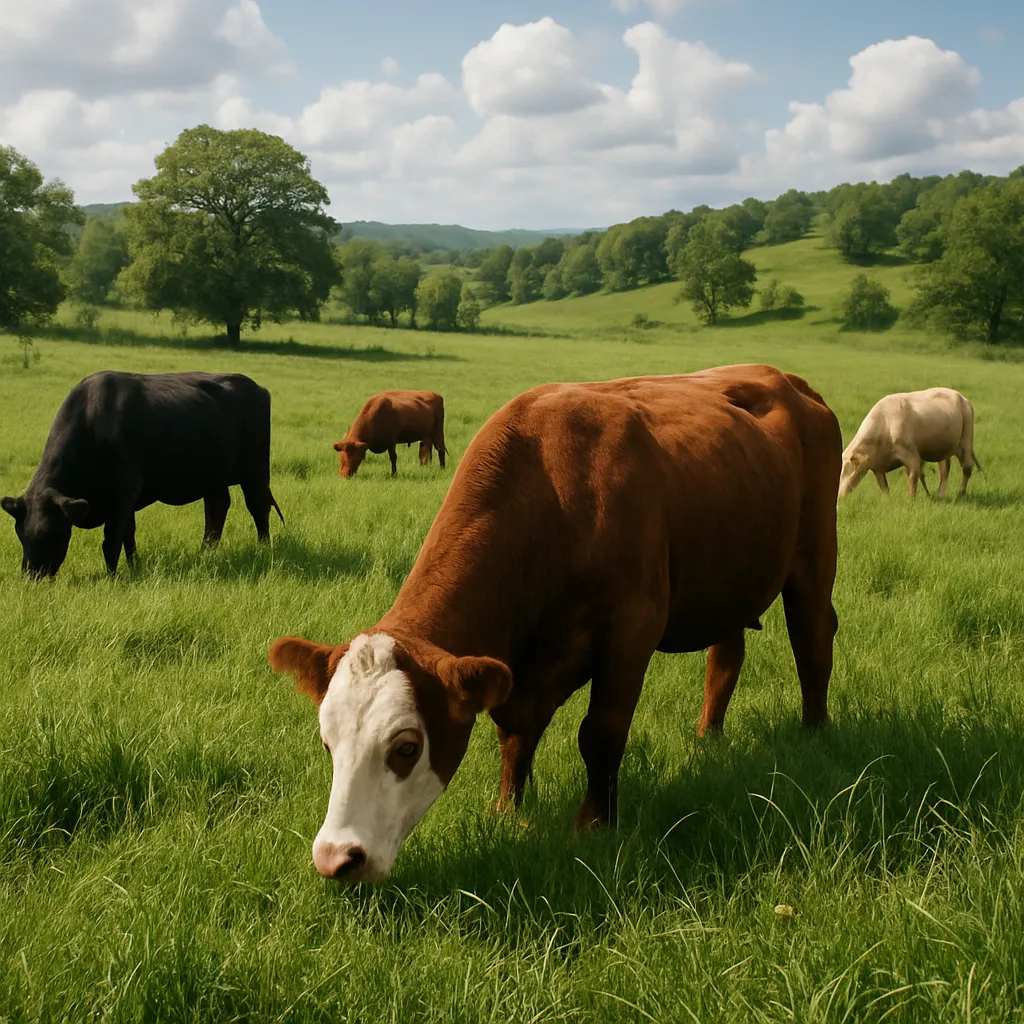
IoT devices and AI analytics are transforming the way farmers care for livestock. From dairy cows to poultry, these innovations support improved welfare and productivity.
Wearable Collars and Tags
Smart collars equipped with GPS, accelerometers, and heart rate monitors track animal location, activity levels, and vital signs. Benefits include:
- Detection of illness or stress through abnormal gait or behavior
- Enhanced breeding management with heat detection
- Optimized grazing patterns to prevent overuse of pastures
Predictive Health Analytics
Machine learning models analyze data from wearable devices to forecast potential health issues. Early alerts allow for timely veterinary interventions, reducing mortality rates and ensuring ethical treatment.
Supply Chain Optimization and Traceability
Ensuring transparency from farm to table is crucial for food safety and quality assurance. AI and IoT solutions streamline logistics and traceability.
Real-Time Tracking of Produce
RFID tags and QR codes on crates enable stakeholders to monitor temperature, humidity, and location throughout transportation. This continuous oversight:
- Prevents spoilage by flagging environmental deviations
- Enables faster recalls in case of contamination
- Builds consumer trust through verified origin stories
Data-Driven Inventory Management
Cloud-based platforms aggregate shipment and warehouse sensor data, applying AI to forecast demand and optimize stock levels. Farmers and distributors benefit from reduced overproduction and minimized waste.
Challenges and Future Perspectives
Despite the promising outlook, integrating AI and IoT in agriculture presents hurdles. Data privacy, high upfront costs, and the need for technical expertise can limit adoption. However, ongoing advancements in edge computing, open-source AI libraries, and affordable sensor kits are lowering barriers.
Collaboration between technology providers, research institutions, and farming communities is driving new innovations. As connectivity expands in rural regions and more user-friendly platforms emerge, smallholder farmers will gain access to the same powerful tools once reserved for large-scale operations. The future of smart agriculture hinges on scalable, inclusive solutions that deliver maximum impact with minimal environmental footprint.