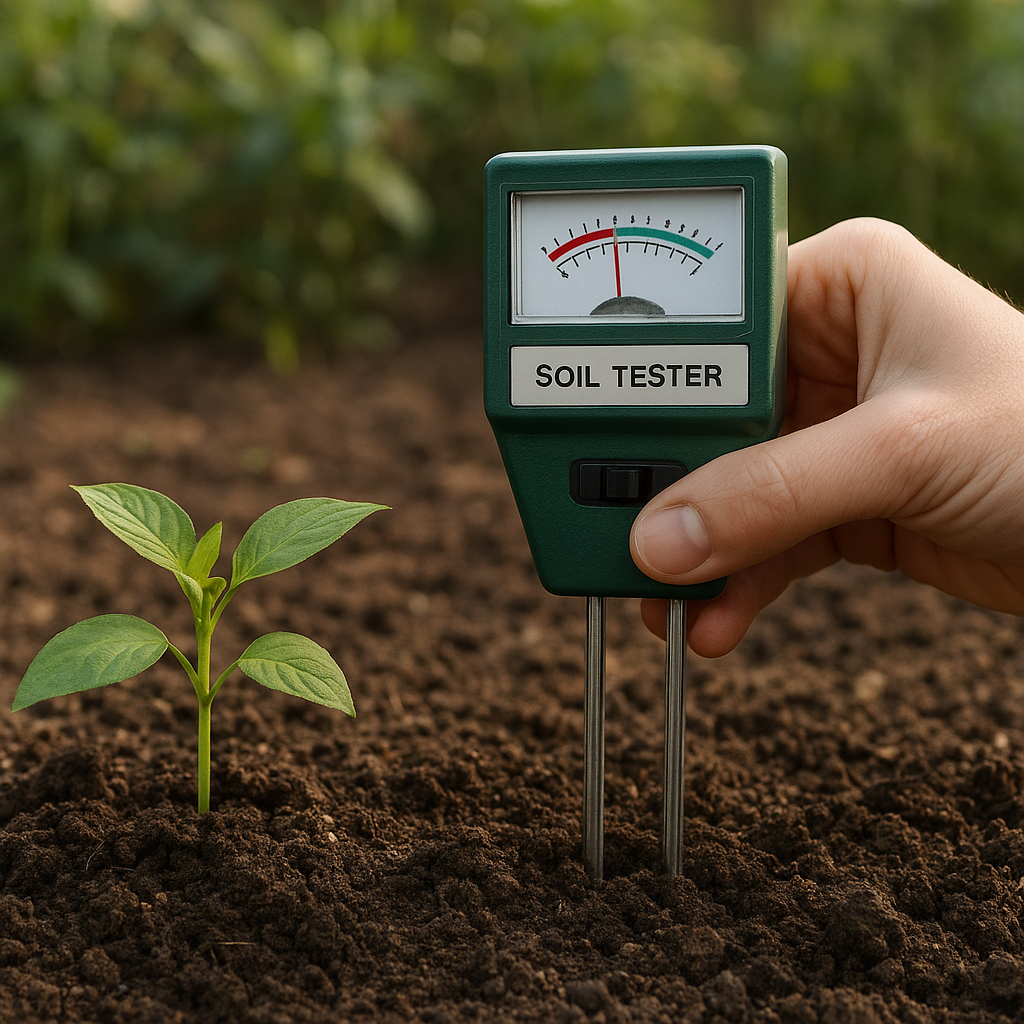
Before sowing seeds or transplanting seedlings, understanding the characteristics of your field is crucial. A comprehensive soil testing regimen equips farmers and gardeners with insights into the underlying environment that supports plant growth. By evaluating essential parameters like pH, organic matter, and macro- and micronutrient levels, growers can make informed decisions that maximize yield, enhance sustainability, and optimize resource use.
Understanding Soil Composition and pH Levels
Soil comprises mineral particles, organic matter, water, and air. Each component influences how plants access nutrients and water. Assessing the balance of sand, silt, and clay determines the soil’s texture and drainage properties. Fertility hinges on the proper interaction of these elements.
Role of pH in Nutrient Availability
Soil pH measures acidity or alkalinity on a scale of 0 to 14. Most crops thrive within a narrow pH range, typically between 6.0 and 7.5. Outside this zone, key nutrients such as nitrogen, phosphorus, and potassium become less available, leading to stunted growth or deficiency symptoms. For instance, iron chlorosis often appears in alkaline soils, while acidic soils can mobilize toxic aluminum ions.
Organic Matter and Soil Structure
Adding organic residues—compost, cover crop residues, or manure—improves management of soil structure. Organic matter enhances water retention in sandy soils and promotes aggregation in clayey soils, ensuring roots penetrate easily and receive adequate oxygen. It also serves as a reservoir for nutrients that decompose gradually, supporting long-term fertility.
Key Steps in Conducting Soil Tests
Accurate results begin with proper sample sampling. Follow a systematic approach to avoid misleading data:
- Divide the field into uniform sections based on soil type, elevation, or crop history.
- Collect multiple subsamples (10–15 cores) from each section using a soil probe or auger.
- Combine subsamples in a clean bucket, mix thoroughly, and remove debris like rocks and roots.
- Place 1–2 cups of the composite sample into a labeled plastic bag or container.
- Record field details: location, previous crop, fertilizer history, and intended use.
- Send samples promptly to a reputable laboratory or follow the instructions of a DIY testing kit.
Timing matters: sample at least six weeks before planting to allow time for amendments to react and stabilize.
Interpreting Soil Test Results
Once the lab returns data, focus on critical factors:
- Nutrients (N, P, K): Determine if levels are low, adequate, or excessive.
- Secondary elements (Ca, Mg, S) and micronutrients (Fe, Mn, Zn, Cu, B, Mo): Identify specific deficiencies.
- pH: Note how far the soil deviates from optimal crop range.
- Organic matter content: Gauge long-term nutrient cycling capacity.
- CEC (Cation Exchange Capacity): Understand the soil’s ability to hold and exchange cations like K+ and Ca2+.
Addressing Macro- and Micronutrient Imbalances
Deficiencies require tailored amendments. For phosphorus-limited soils, incorporate bone meal or rock phosphate, accounting for slow-release characteristics. Potassium shortages may be alleviated with sulfate of potash, while lime or sulfur can correct pH extremes. Micronutrient deficiencies often respond to chelated forms applied to the soil or as foliar sprays for rapid correction.
Adjusting Soil pH
Lime (calcium carbonate) raises pH in acidic soils. Apply in finer particles for faster neutralization. Elemental sulfur or aluminum sulfate acidifies alkaline soils, but changes occur more slowly and risk damaging plant roots if overapplied. Always follow laboratory recommendations to avoid overshooting target pH.
Implementing Recommendations for Improved Crop Performance
After interpreting results, develop an action plan that integrates crop rotation, cover cropping, and judicious fertilizer use.
Crop Rotation and Cover Crops
Rotating legumes (e.g., peas, beans) with cereals helps replenish nitrogen naturally. Legumes host nitrogen-fixing bacteria that enhance subsequent crops’ nutrient supply. Cover crops like clover or vetch protect the soil from erosion, suppress weeds, and add organic matter when incorporated back into the field.
Precision Fertilization Strategies
Instead of blanket fertilizer application, adopt variable-rate technology guided by GPS and soil maps. This approach places nutrients only where needed, reducing waste and potential environmental runoff. Split applications of nitrogen—once at planting and again during the vegetative phase—minimize leaching and improve uptake.
Advanced Testing Techniques and Emerging Trends
Recent innovations allow in-depth analysis beyond basic soil tests.
- Soil biology assays identify populations of beneficial microbes, mycorrhizal fungi, and pathogens.
- Electrical conductivity mapping reveals moisture and salinity patterns across fields.
- Spectral imaging via drones or satellites assesses crop vigor and nutrient stress in real time.
Integrating Data for Holistic Management
Combining soil test data with climatic information and crop performance records supports decision-making. Digital platforms aggregate historical results, enabling trend analysis and predictive modeling. These tools help growers anticipate nutrient needs and schedule timely interventions.
Organic and Regenerative Practices
For those pursuing organic or regenerative certifications, soil testing ensures compliance with nutrient thresholds and prohibited inputs. Regular monitoring underpins the transition to minimal external inputs by assessing improvements in soil health over time. Practices such as reduced tillage, compost tea applications, and diverse cover cropping systems build resilience and carbon sequestration capacity.
Long-Term Benefits and Economic Considerations
Investing in soil testing yields returns through optimized input use, higher quality produce, and greater profit margins. By preventing over-application of fertilizers, you save on costs and reduce environmental impacts. Healthy soils also buffer the effects of drought and heavy rainfall, leading to more stable harvests and reduced risk.
Return on Investment
A single soil test costing under $50 can guide fertilizer savings of $100–$200 per acre in many cropping systems. Over successive seasons, monitoring trends allows for fine-tuning of practices and maintenance of high fertility levels.
Environmental Stewardship
Targeted nutrient applications minimize leaching into groundwater and runoff into waterways, preserving aquatic ecosystems. Maintaining balanced soils supports pollinators and beneficial insects, contributing to broader ecological health.