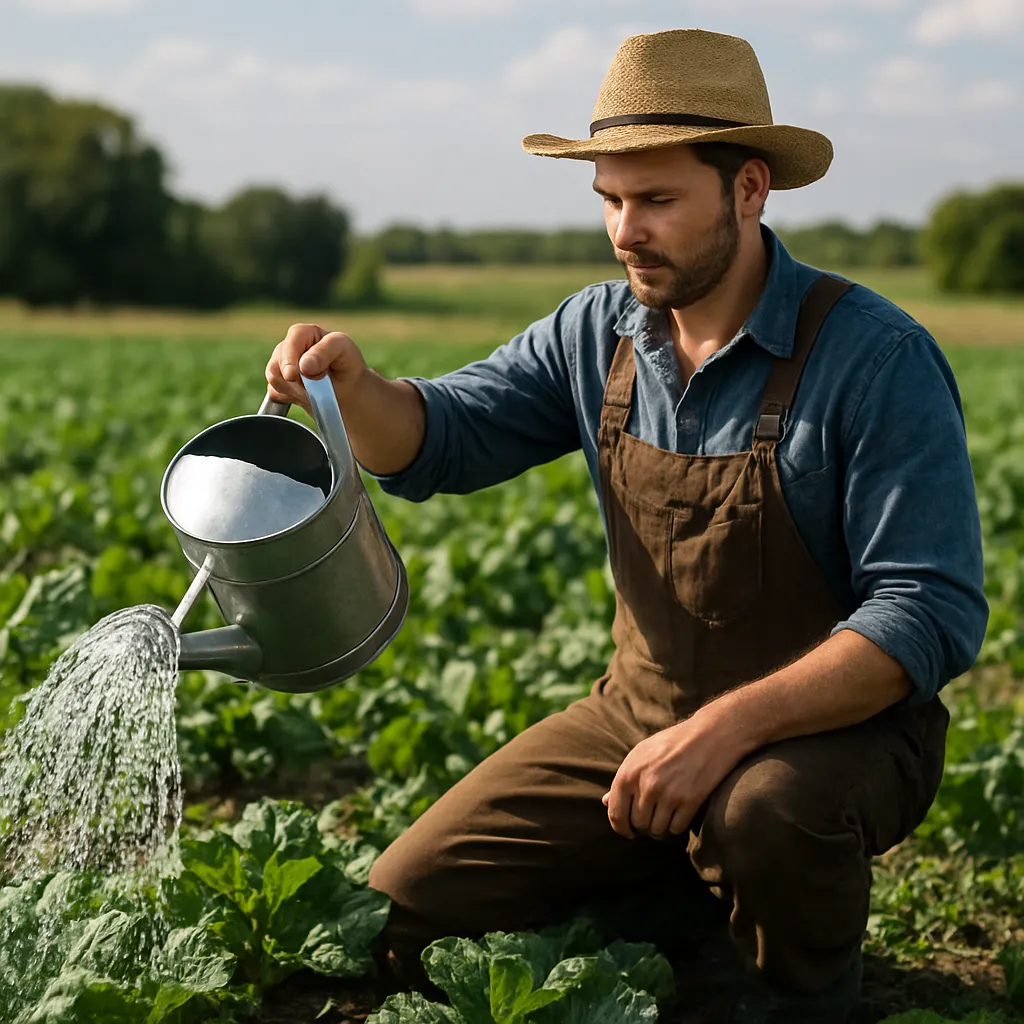
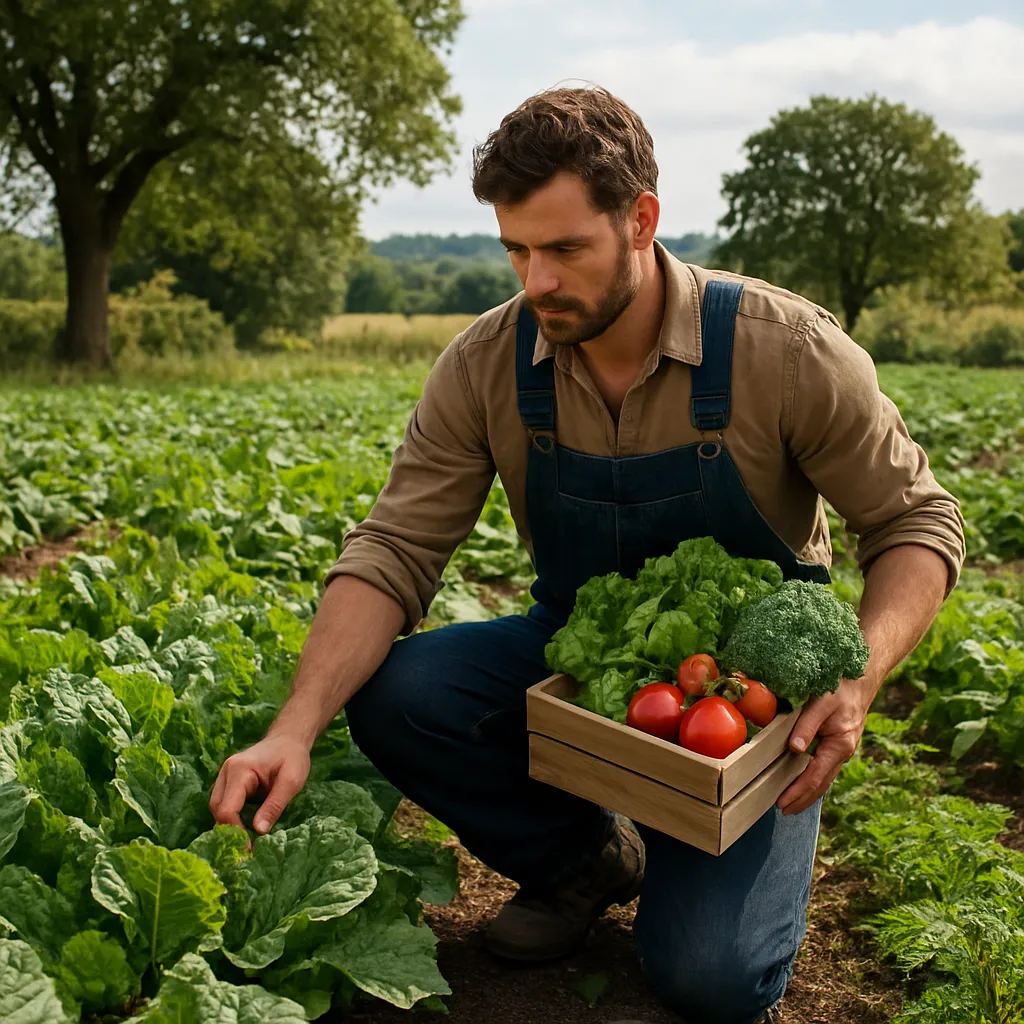
Agriculture forms the backbone of global food security and economic development. By embracing diverse cropping systems and wildlife habitats, farmers can unlock the full potential of their land. This article explores how integrating biodiversity into farming practices enhances both environmental health and long-term farm success. Practical tips, real-world examples, and strategies for overcoming common challenges are provided to support growers at every scale.
Benefits of biodiversity in Agriculture
Enhanced resilience and productivity
Variety in plant species and livestock breeds increases the ability of farms to withstand extreme weather, pests, and diseases. Systems that rely on a single crop or animal breed can collapse when conditions change. In contrast, diverse farms maintain stable yields by balancing risks across multiple organisms.
Improved soil health and water retention
Crop rotations, cover crops, and intercropping stimulate beneficial organisms such as earthworms, mycorrhizal fungi, and nitrogen-fixing bacteria. Their activity breaks down organic matter, enhances nutrient cycling, and boosts water infiltration. Healthier soils reduce erosion and support vigorous plant growth season after season.
Natural pollination and pest control
Providing habitats for pollinators like bees, butterflies, and hoverflies ensures effective fruit set and seed production. Meanwhile, predatory insects (lady beetles, lacewings) and birds prey on crop pests, cutting the need for synthetic pesticides. A thriving ecosystem of beneficial species translates into lower input costs and healthier produce.
Practical Tips for Enhancing biodiversity on Farms
- Diversification of crop and livestock species: Rotate grains, legumes, and vegetables to optimize nutrient use and break pest cycles.
- Cover cropping: Sow rye, clover, or vetch in off-seasons to protect soil, suppress weeds, and add organic matter.
- Establish hedgerows and buffer strips: Native shrubs, grasses, and wildflowers create corridors for wildlife and prevent runoff.
- Integrated Pest Management (IPM): Monitor pest populations, release biological control agents, and use pheromone traps to minimize chemical sprays.
- Companion planting: Grow mutually beneficial species together—such as basil near tomatoes or marigolds around squash—to deter pests and boost growth.
- Agroforestry systems: Combine trees with crops or livestock to diversify income, provide shade, and enhance carbon sequestration.
- Wetland restoration: Recreate ponds or marshy areas to improve water filtration and create breeding grounds for amphibians and predatory insects.
- Polyculture design: Mix fast-growing vegetables with perennials and root crops to use space efficiently and reduce disease incidence.
- Seed saving and heritage varieties: Maintain genetic diversity by preserving local or heirloom seed stocks that tolerate regional stresses.
- Soil testing and organic amendments: Regularly assess pH and nutrient levels, then apply compost, biochar, or green manures to balance deficiencies.
Addressing Challenges in biodiversity Management
Common obstacles
Many growers face tight budgets, limited land, or a lack of technical support when adopting diverse systems. Market pressures often favor uniform, high-yield commodities over niche or mixed products. In addition, knowledge gaps in ecosystem dynamics can deter implementation of advanced methods.
Innovative conservation strategies
Collaborative networks and farmer cooperatives can share resources—such as bulk seed purchases, machinery, and marketing platforms—to lower individual costs. Extension services and online platforms provide training on sustainable practices. Financial incentives like conservation grants, carbon credits, and certification programs (organic, regenerative) reward ecosystem stewardship.
Case Studies: Successful Applications of biodiversity in Farming
Permaculture Homestead in California
A 5-acre permaculture site integrates fruit trees, berry bushes, herbal guilds, and chicken paddocks. Rainwater harvesting funnels excess into swales that irrigate swaths of edible perennials. Harvest diversity has risen by 40% while water use dropped by 25% over five years.
Agroforestry on a Smallholder Farm in Ghana
A cocoa plantation interplanted with leguminous shade trees and native fruits improved soil fertility and provided extra income streams. Birds and bats controlled insect pests, reducing pesticide spending by half. Local engagement ensured seedling supply and maintenance support.
Mixed-Grain Rotations in the Midwest
Farmers rotated corn, soybeans, oats, and barley with cover crops of rye and clover. Nematode pressures decreased, yields stabilized, and fertilizer bills dropped. Organic matter in topsoil rose from 2.1% to 3.5% in three seasons, underpinning long-term sustainability.
By weaving diverse species into farmland design, growers enhance ecosystem services, increase farm resilience, and promote long-term viability. Whether through simple cover crops or complex agroforestry systems, every step toward biodiversity strengthens the ties between healthy landscapes and productive agriculture.