Embracing small-scale cultivation and cooperative farming brings a multitude of rewards beyond mere food production. From boosting local economies to nurturing stronger social bonds, the practice of growing crops close to home fosters resilience, enhances environmental stewardship, and reconnects people to the origins of their meals.
Importance of Local Agriculture
Cultivating produce within a region offers fresh ingredients with minimal transport time, preserving essential nutrients and maximizing flavor. By supporting farms in the immediate vicinity, consumers reduce carbon footprints and encourage sustainable land management. Local agriculture often prioritizes organic techniques, minimizing chemical runoff and promoting healthy ecosystems.
Preserving Soil Health
Maintaining fertile ground is a cornerstone of robust crop yields. Techniques such as cover cropping, crop rotation, and compost applications replenish vital minerals and nurture microbial communities. When farmers pay attention to soil biology, they unlock improved structure, water retention, and root penetration. This holistic approach minimizes erosion and safeguards farmland for future generations.
Enhancing Biodiversity
Smaller farms with diversified plantings often support a rich tapestry of wildlife. By interspersing vegetables, herbs, and fruit trees, growers create habitats for beneficial insects, birds, and pollinators. Biodiverse fields are more resilient to pests and extreme weather, reducing reliance on synthetic pesticides. Moreover, a mix of heirloom varieties can protect against disease outbreaks and genetic erosion.
Implementing Sustainable Farming Techniques
Adopting environmentally friendly methods helps growers conserve resources and build long-term viability. Here are key strategies for sustainable production:
Water Conservation and Management
Irrigation accounts for a significant share of on-farm water usage. By switching to drip lines or soaker hoses, farmers can target moisture delivery directly to plant roots, reducing evaporation losses. Rainwater harvesting systems collect and store runoff, which can then be used during dry spells. Mulching with straw or wood chips helps preserve soil moisture and suppress weeds.
Energy Efficiency
Implementing solar panels or small-scale wind turbines on farmland can offset electricity demands for pumps, lighting, and processing equipment. Integrating renewable power not only lowers operating costs but also sets a public example of climate-conscious agriculture. Simple measures like LED lighting in greenhouses and well-insulated storage units further trim energy consumption.
Organic Pest Management
- Introduce natural predators such as ladybugs and lacewings to control aphids and mites.
- Utilize row covers to protect seedlings from cabbage moths and other pests.
- Rotate crops annually to prevent build-up of soil-borne diseases and insect populations.
- Apply botanical extracts, such as neem oil, for targeted insect suppression.
Engaging the Community in Farming
Community involvement strengthens local bonds, promotes food literacy, and creates shared responsibility for environmental outcomes. Farmers who open their fields to neighbors often find enduring support and goodwill.
Farmers Markets and Direct Sales
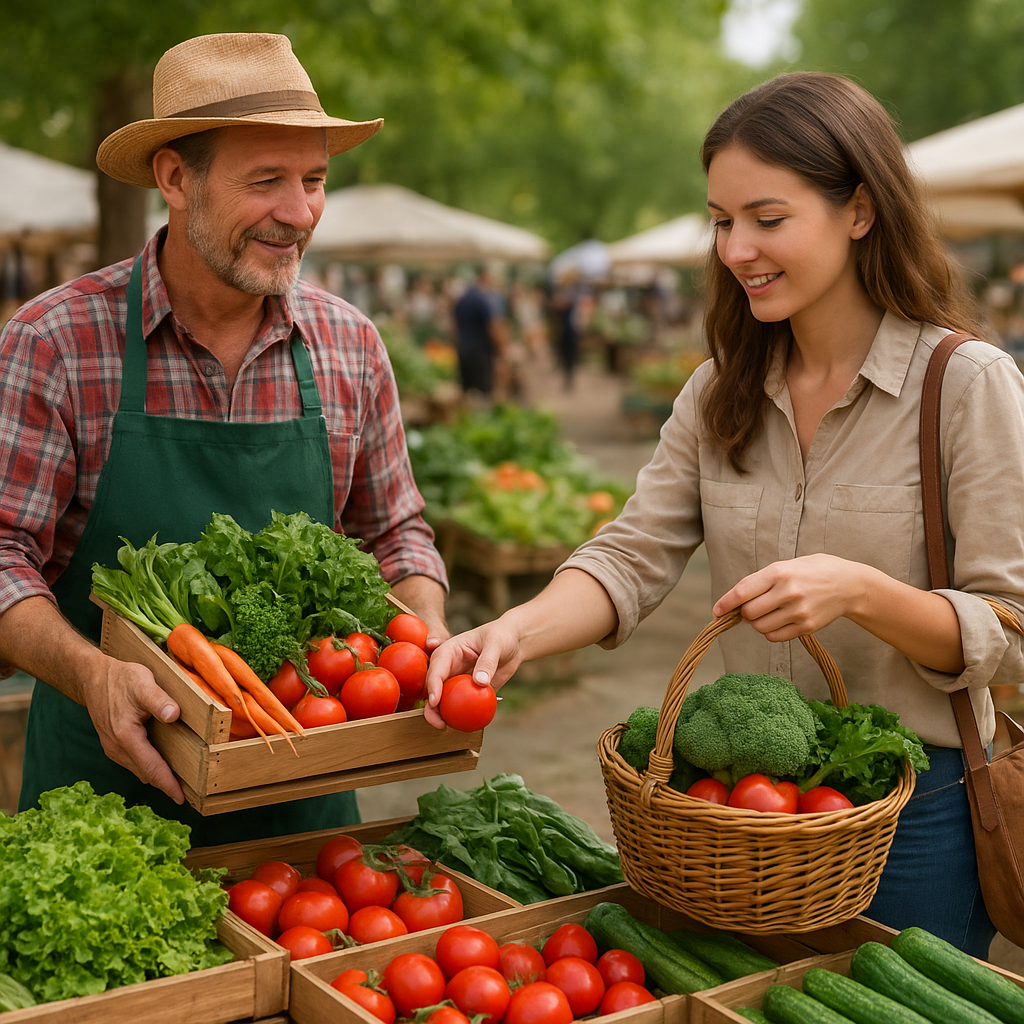
Setting up market stalls in town squares or partnering with local grocers brings fresh produce directly into consumers’ hands. This short supply chain eliminates middlemen, ensuring growers receive a fair return for their labor and shoppers enjoy premium-quality goods at reasonable prices. Direct interactions also allow farmers to educate buyers about seasonal offerings and proper storage techniques, fostering a deeper appreciation for the work behind each harvest.
Education and Workshops
Hosting on-site classes or collaborating with schools can ignite passion for agriculture among all ages. Teaching simple tasks—such as seed sowing, seedling care, and compost building—empowers participants to try home gardening. Community plots provide space for those without private land to cultivate their own microclimate experiments, learning firsthand about weather impacts, soil amendments, and plant lifecycles.
Practical Tips for Aspiring Farmers
Whether you’re transitioning from a backyard gardener to a professional grower or initiating a community garden project, these recommendations will set you on the path to success:
- Conduct a soil test to determine pH levels and nutrient content before any planting. Amend accordingly to ensure optimal nutrients balance.
- Create raised beds for better drainage and easier weed control, especially if ground soil is compacted or heavy clay.
- Select crop varieties suited to your region’s temperature ranges and rainfall patterns, reducing the likelihood of stress and failure.
- Practice succession planting to maintain a continuous harvest and avoid periods of idle land.
- Keep detailed records of planting dates, varieties, pest issues, and yields. Data-driven decisions improve productivity year after year.
- Establish windbreaks or hedgerows to shield sensitive crops from harsh winds and to enhance farm-level biodiversity.
- Balance perennial fruit shrubs with annual vegetables for both immediate returns and long-term production stability.
- Network with neighboring farms for bulk purchasing of seeds, tools, and soil amendments to lower overall costs.
- Reserve a portion of your plot for native flowering plants to attract pollinators and beneficial insects.
- Engage in regional farmer cooperatives to share equipment, labor resources, and marketing channels, bolstering collective bargaining power for economic growth.
Conclusion: Growing a Sustainable Future
By prioritizing localized, community-driven agriculture, individuals can foster a culture of stewardship and resilience. Emphasizing sustainability and social engagement paves the way for healthier diets, stronger economies, and a richer connection to the land. Aspiring farmers who integrate these methods and practices are not only feeding their neighbors but also cultivating a lasting legacy of environmental responsibility and shared prosperity.