The Benefits of Integrating Livestock and Crop Farming explores how farmers can harness the combined strengths of both systems to achieve sustainable production, improve soil fertility, and increase overall profitability. By embracing the natural synergy between animals and plants, producers unlock enhanced nutrient cycling, boost on-farm biodiversity, and build greater resilience against climatic and market fluctuations. This integrated approach remains one of the most promising paths toward efficient and environmentally sound agriculture.
Enhancing Soil Health through Integrated Systems
Allocating space for both crops and livestock on the same farm creates a powerful feedback loop. Animal manures enrich soils with essential nutrients such as nitrogen, phosphorus, and potassium. These organic amendments improve soil structure, increase water retention, and stimulate beneficial microbial activity. Cover crops further bolster this effect by protecting bare ground, preventing erosion, and scavenging residual nutrients after harvest.
- Rotate grazing areas to avoid nutrient overload and prevent compaction.
- Incorporate deep-rooted cover crops like radish or forage turnips to break soil pans and enhance aeration.
- Apply well-composted manure during fall to allow time for decomposition before spring planting.
- Test soil annually to monitor pH and nutrient levels, adjusting lime or fertilizer as needed.
By mixing livestock manure with crop residues, farmers achieve a continuous cycle of biomass return to the field. This cycle fosters long-term improvements in soil fertility and reduces reliance on synthetic fertilizers. Healthy, living soils also support robust root development, leading to higher yields and stronger plants.
Optimizing Resource Use and Boosting Productivity
Integrated farming systems maximize resource efficiency by turning what might be considered waste in one component into valuable inputs for another. Crop residues such as straw or corn stalks become feed or bedding for animals, while livestock byproducts enrich soils. This closed-loop strategy conserves water, reduces external purchases, and lessens on-farm waste.
- Synchronize planting and grazing schedules to ensure animals are available to consume crop residues post-harvest.
- Design paddocks adjacent to feedlots or barns to minimize transport time for manure spreading.
- Use rotational grazing to maintain pasture quality and optimize forage regrowth.
- Implement precision irrigation and fertilization techniques guided by soil moisture probes and nutrient sensors.
Such measures not only cut operational costs but also elevate overall productivity. Integrating livestock with crops provides multiple revenue streams—crop sales, meat or dairy products, and even value-added items like compost or fiber. Diversification reduces financial risk, as a downturn in one market can be balanced by another.
Environmental and Economic Advantages of Integration
Linking livestock and crop activities yields significant environmental benefits. Manure applied to fields in a controlled manner prevents nutrient runoff to waterways, thereby protecting water quality. Meanwhile, pastures serve as carbon sinks, sequestering atmospheric CO₂ in plant biomass and soil organic matter. The resulting reduction in greenhouse gas emissions aligns with global goals for climate change mitigation.
Case Example: Small-Scale Diversified Farm
A family-run farm in the Midwest transitioned from monoculture corn to a mixed system of cows, pigs, and rotational crops. Within three years, soil organic matter increased by 1.2%, pasture yields improved by 25%, and the farm’s overall carbon footprint dropped significantly. Direct sales at local farmers’ markets and a community bulk-buy program for compost brought in new income streams, boosting profitability while enhancing community ties.
- Reduce chemical inputs by relying on manure and green manures for fertility needs.
- Implement buffer strips of native grasses or trees to filter runoff and provide wildlife habitat.
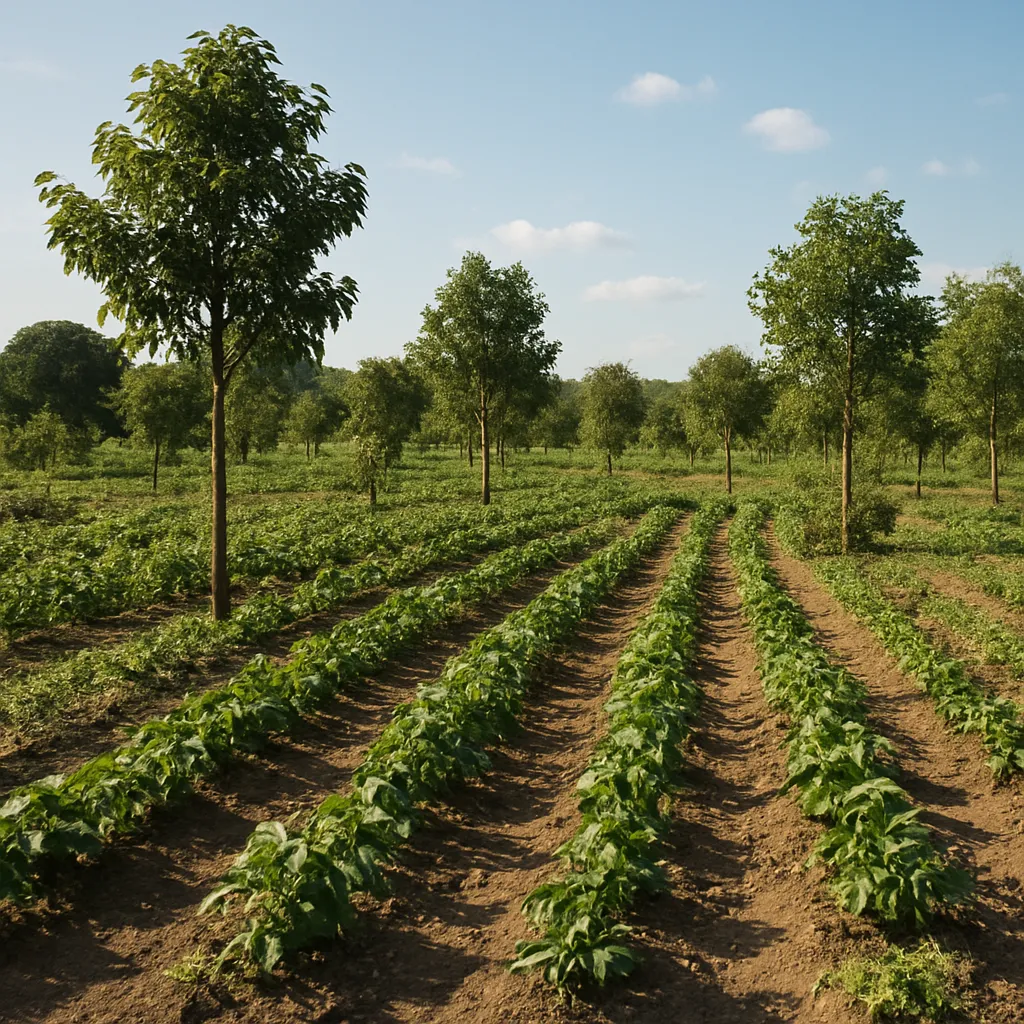
- Adopt agroforestry or silvopasture to integrate trees, shrubs, and grazing animals for diversified production.
- Seek certifications (e.g., organic or regenerative) to capture premium market prices.
Practical Tips for Implementing Integrated Farming
Farmers interested in making this transition should start with a clear plan that accounts for land capacity, water availability, and local regulations. Establish a realistic timeline for phasing in new components—first evaluating existing soil health, then introducing cover crops or forages, followed by a gradual addition of livestock. Building infrastructure such as fencing, water troughs, and manure storage must align with environmental guidelines.
- Engage with agricultural extension agents or join farmer networks to learn best practices and avoid common pitfalls.
- Develop a nutrient management plan that calculates the manure output from animals and matches it to crop nutrient requirements.
- Invest in training on pasture management, animal health, and machinery that can handle both crop and livestock tasks.
- Monitor animal performance and crop yields to refine stocking rates and planting strategies over time.
- Keep detailed records of costs, yields, and labor to assess economic outcomes and guide future decisions.
With careful planning and adaptive management, integrating livestock and crop farming transforms individual challenges into collective opportunities. The combined system leads to more resilient farm operations, healthier ecosystems, and a stronger bottom line—paving the way for a robust agricultural future.